
Introduction
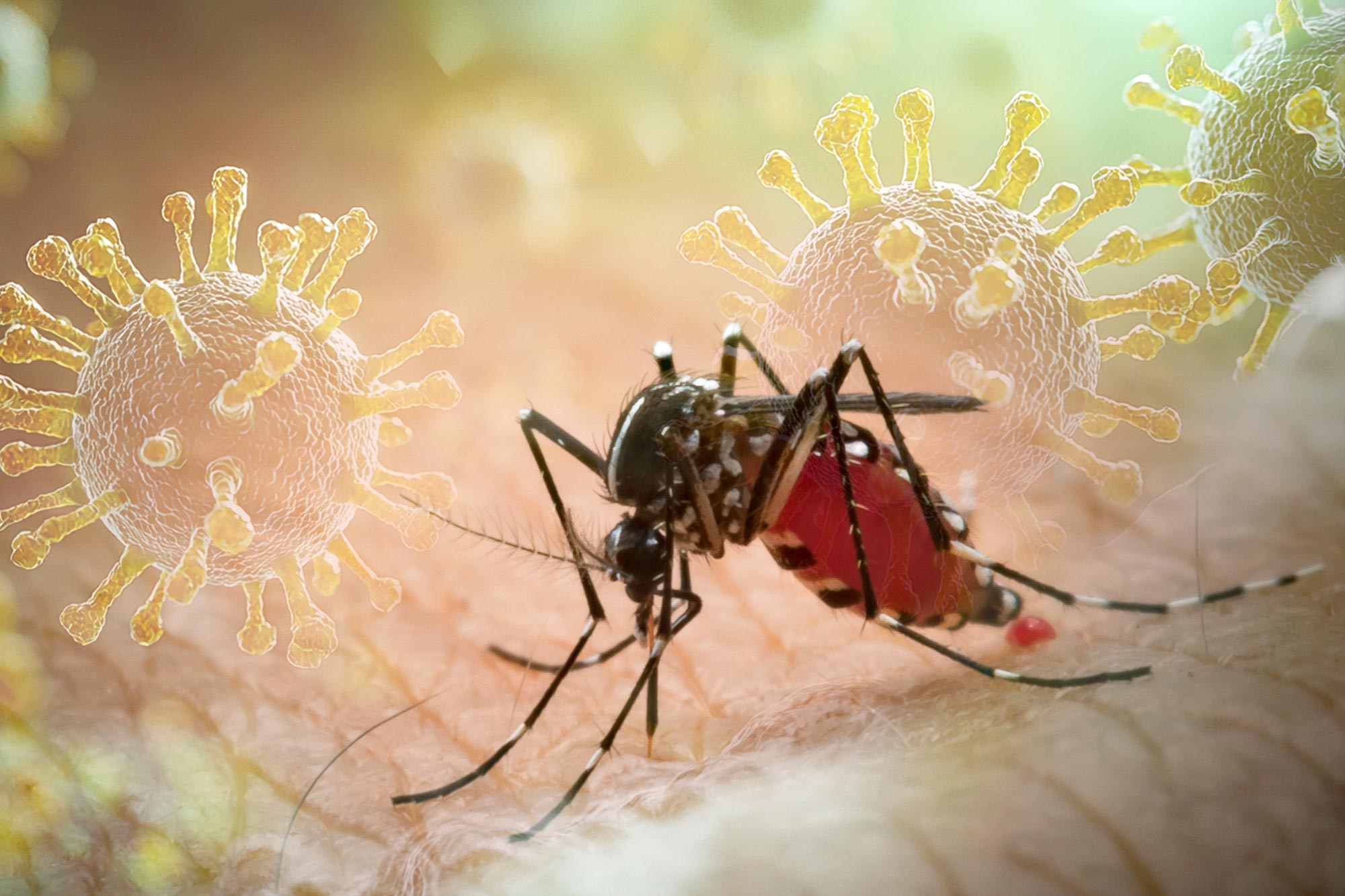
The recent chikungunya virus outbreak in Seychelles has raised significant public health concerns due to its increasing prevalence and impact on local communities. Chikungunya, transmitted by mosquito bites, is characterized by severe pain, fever, and joint swelling. Understanding the current outbreak is crucial for residents and travelers to Seychelles as the government and health authorities mobilize efforts to control the spread of this debilitating virus.
Current Situation
As of October 2023, the Seychelles Ministry of Health has reported over 1,500 confirmed cases of chikungunya across several islands, with the majority centered in Mahé and Praslin. The government has been particularly vigilant since the virus spreads rapidly in tropical climates, and recent heavy rains have created optimal breeding conditions for Aedes mosquitoes, the primary vectors for the virus.
Local health authorities are collaborating with international health organizations to manage the outbreak effectively. Measures including community awareness campaigns, mosquito control strategies, and public health advisories have been put in place to mitigate the impact of the virus. Healthcare facilities have also been equipped to handle the increasing number of cases, ensuring that residents and visitors receive adequate medical assistance.
Preventive Measures
The Seychelles government emphasizes the importance of preventive measures to protect against chikungunya virus. Residents are encouraged to eliminate any standing water around their homes to decrease mosquito breeding grounds. Moreover, public health officials advise wearing long-sleeved clothing and using insect repellents when outdoors.
Conclusion
The chikungunya virus outbreak in Seychelles underscores the need for continued vigilance and community engagement in public health efforts. While the immediate focus is on controlling the outbreak, the situation calls for long-term strategies to enhance vector control and public awareness. Continued surveillance and vaccination research against chikungunya may provide further support in preventing future outbreaks. For residents and tourists alike, staying informed and adhering to preventive guidelines remains paramount in combating the spread of this virus.