
Introduction
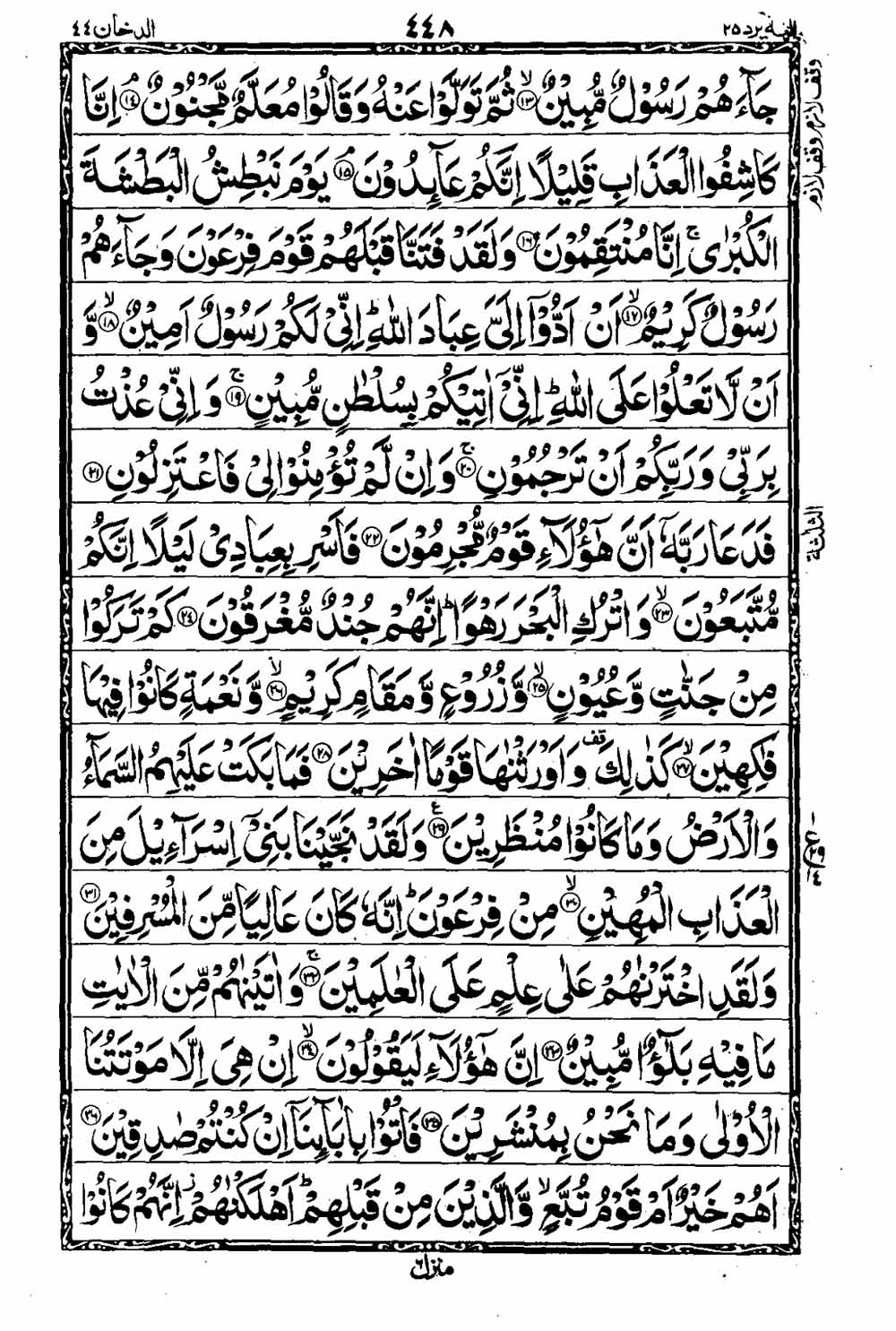
The Quran, the holy book of Islam, is regarded as the literal word of God (Allah) as revealed to the Prophet Muhammad. Revered by over a billion Muslims worldwide, it plays a central role in shaping the beliefs, practices, and moral compass of the Islamic faith. Understanding the Quran’s significance is essential not only for Muslims but also for anyone interested in comprehending the beliefs of one of the world’s largest religions.
Content and Structure of the Quran
The Quran is divided into 114 chapters, known as Surahs, which vary in length and cover various aspects of life, law, morality, and spirituality. Each Surah is composed of verses, called Ayahs. The Quran addresses fundamental questions of existence, morality, social justice, and guidance for personal conduct. Its rich linguistic style is highly regarded in Arabic literature, and many Muslims endeavor to memorize its verses as an act of devotion.
The Quran’s Cultural and Social Impact
Beyond its religious significance, the Quran has had a profound influence on culture, art, law, and ethics in Muslim-majority societies. Its teachings promote principles such as compassion, charity, and justice. Many educational systems in Islamic countries incorporate Quranic studies into their curricula, emphasizing the importance of the Quran in Islamic education.
Contemporary Relevance
In recent years, the Quran has gained attention in discussions about interfaith dialogue and global peace. Various organizations emphasize its messages of tolerance and coexistence, encouraging people to explore its teachings. Additionally, social media platforms have become avenues for sharing Quranic verses, fostering a renewed interest in its teachings among younger generations.
Conclusion
The Quran remains a vital and dynamic aspect of Islamic identity and culture. As the world continues to become more interconnected, the teachings of the Quran can provide wisdom and perspective on issues like conflict resolution and humanitarian efforts. Understanding the Quran is not only relevant for students of religion but for anyone seeking to foster understanding in an increasingly diverse world.