
League and Union Discuss Player Safety
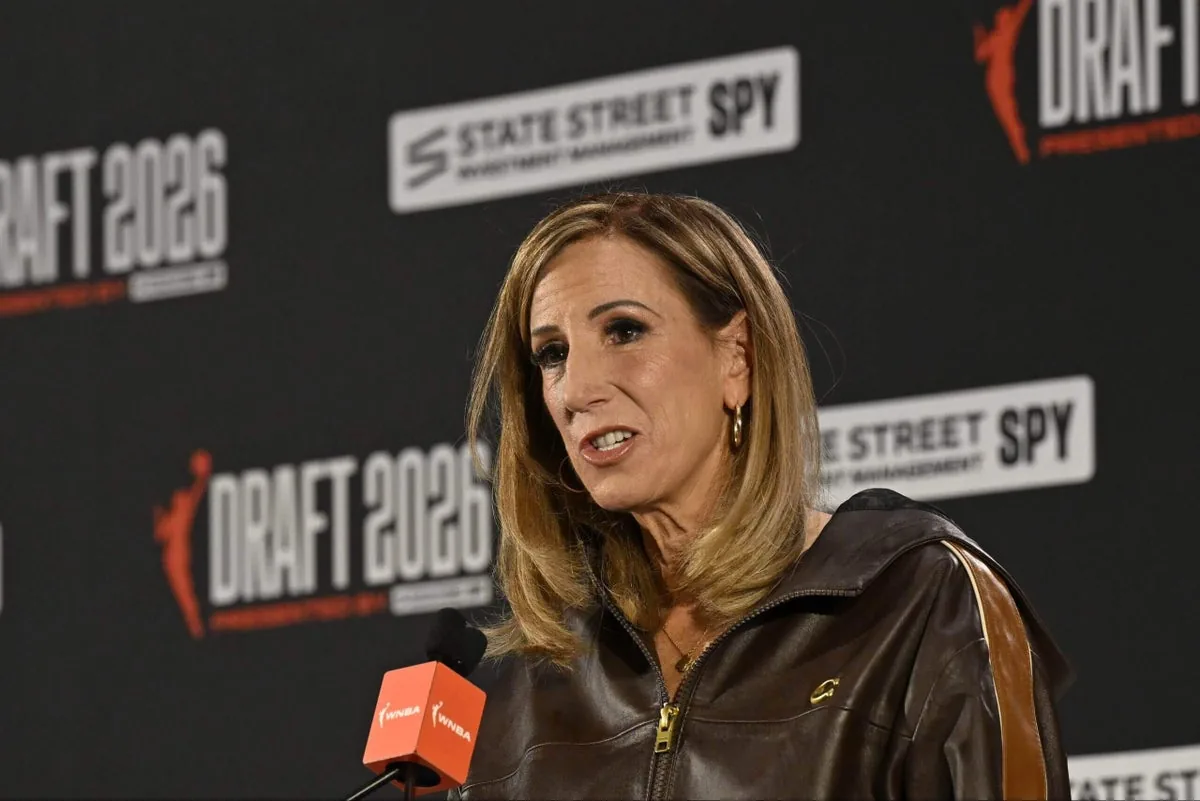
The WNBA and the Women’s National Basketball Players Association (WNBPA) leadership convened on July 21, prior to the 2026 WNBA All-Star Game, to address player safety and other issues. The meeting included WNBA Commissioner Cathy Engelbert, members of the WNBPA Executive Committee, and the Justice, Equity, Diversity and Inclusion (JEDI) Committee, alongside league security personnel. This discussion was prompted by a recent increase in racist, hateful, and abusive messages directed at players, as well as other matters before the committees.
A joint statement released by the league and its union on Wednesday highlighted the importance of proactive communication and strengthening the relationship between the league and the union. The WNBA has committed to enhancing security resources and plans to collaborate with organizations that align with the league’s values and shared priorities. This initial meeting is intended to be the start of an ongoing dialogue, with both parties united in their commitment to this work.
Player Experiences Highlight Harassment
The meeting followed multiple players raising concerns about health and safety in recent weeks. Phoenix Mercury forward Alyssa Thomas called for action from the WNBA and Commissioner Engelbert after receiving death threats and online abuse. This occurred after she was suspended for one game for making contact with Caitlin Clark’s throat during the Mercury’s June 24 victory over the Indiana Fever. Thomas expressed concerns that the league had not contacted her regarding the suspension or the aftermath of the incident, noting that Engelbert remained silent despite threats to players’ lives.
In response to Thomas’ comments, Engelbert issued a statement affirming the league’s commitment to the safety and well-being of its community. She acknowledged Thomas’ experiences as unacceptable and not representative of the WNBA community. According to a person familiar with the situation, Engelbert exchanged text messages with Thomas and offered a phone call, also directing league security to contact Phoenix security regarding ongoing threats.
Las Vegas Aces guard Chelsea Gray also spoke out about the abuse players have faced. Gray shared her experience with racial abuse, including a racial slur directed at her online, which led to the termination of a Hilton Grand Vacations employee. Gray expressed that she hoped making the incident public would provide a realistic view of what she and other Black WNBA players regularly encounter, making it impossible to ignore. She noted that these messages were not isolated incidents, and she decided to share her experience after becoming fed up with the situation.
Enhanced Security Measures and Future Discussions
The WNBPA requested the meeting to address how the league could be more proactive in managing crises that significantly affect players. Chicago Sky center and WNBPA secretary Elizabeth Williams emphasized the need for more consistent communication from the league. She noted that while steps are being taken, more consistency is desired.
Security measures within the league have been codified in the new CBA, a seven-year agreement reached in March. This standard mandates that every team provide at least one security officer to accompany players during all team-related activities. Many teams have implemented these new standards for at least three years, with most teams now traveling with a minimum of two security guards. Dallas Wings forward Alysha Clark recalled an incident from earlier in her career where fans followed her to her car after a game, highlighting the significant difference in security now, as players are accompanied to their vehicles by team security both at home and on the road.
WNBPA vice president Breanna Stewart observed a shift in security measures when she joined the New York Liberty in 2023, noting that the Liberty travel with three security guards. Players are advised that Liberty security acts as a constant presence to ensure their safety during team dinners and other outings. This season, the number of WNBA security representatives deployed to each market to work with arena personnel and local law enforcement has increased to three.
Regarding online harassment, protocols include players, coaches, and executives reporting such material to team security, who then coordinate with the league. Threats and harassment are assessed by the league’s Global Security Operations Center and investigated as appropriate, with the league able to pursue bans and referrals to local law enforcement. Additional steps discussed on Tuesday included seeking accountability from tech companies that own social media platforms where players experience harassment, and streamlining communication among team security, the league, and law enforcement when necessary.
Discussions also touched upon officiating, with players stressing accountability, particularly concerning the play between Thomas and Clark where no foul was called on the court. Thomas later received a fine and a flagrant penalty 2. Williams indicated that clear fouls going uncalled can lead to unnecessary backlash for players, which could be avoided if calls were made in real time. Solutions such as a replay center and a Last Two Minute Report, similar to those used by the NBA, were discussed, though Williams noted these options are not planned for this season. While no similar meetings are currently scheduled, the idea of making these discussions a more regular occurrence was considered, with Williams expressing a desire for a more collaborative approach rather than meetings driven by desperation.
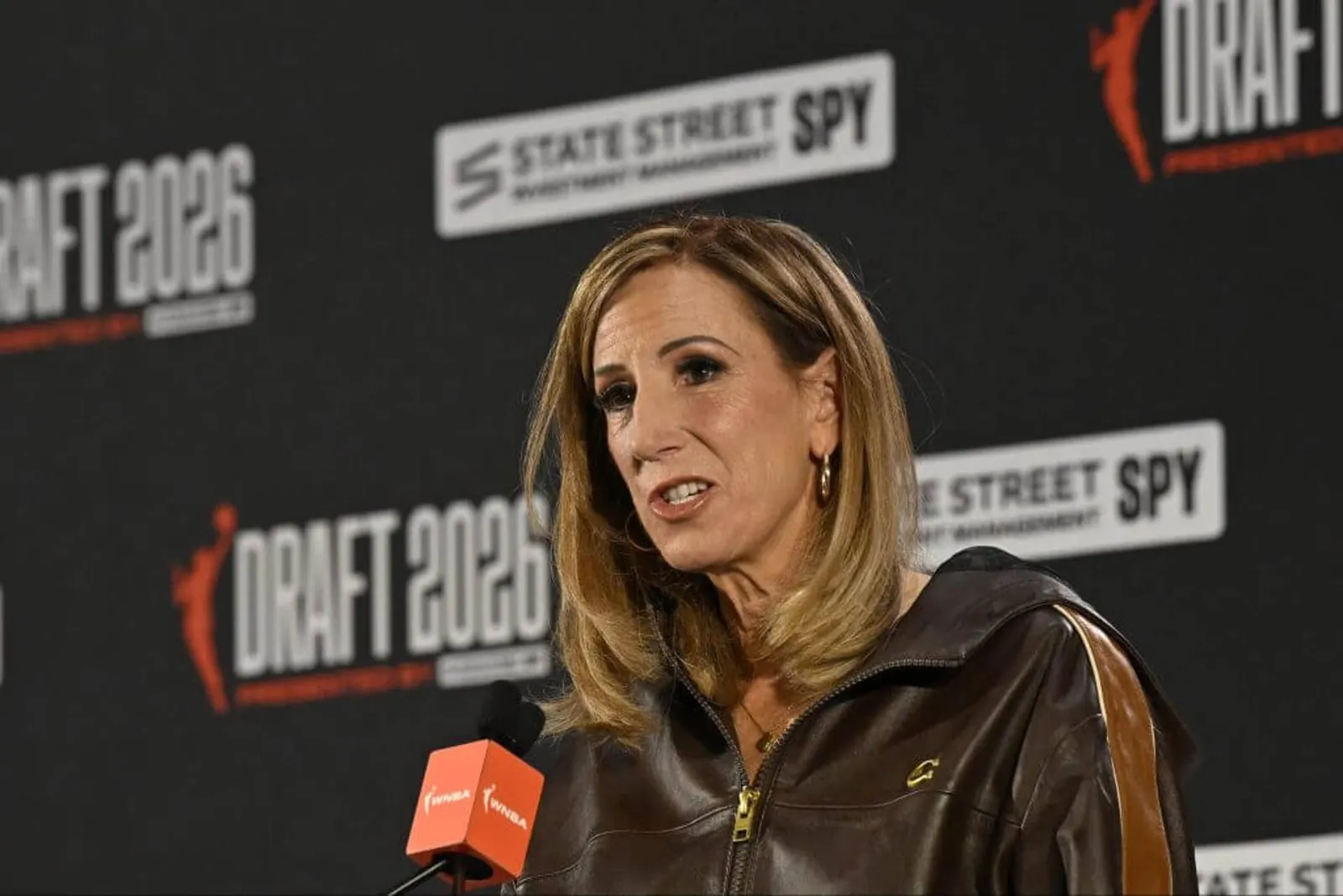
The WNBA and WNBPA leadership met on July 21 to discuss player safety and other critical issues.
Source: eu.usatoday.com