
The Importance of Air Quality
A clean atmosphere is crucial for public health and environmental balance. Unfortunately, on many days, particularly in urban areas, the air quality can deteriorate, impacting health outcomes for millions. Poor air quality is not just a seasonal issue; it can result from various immediate and long-term contributors.
Current Events Impacting Air Quality
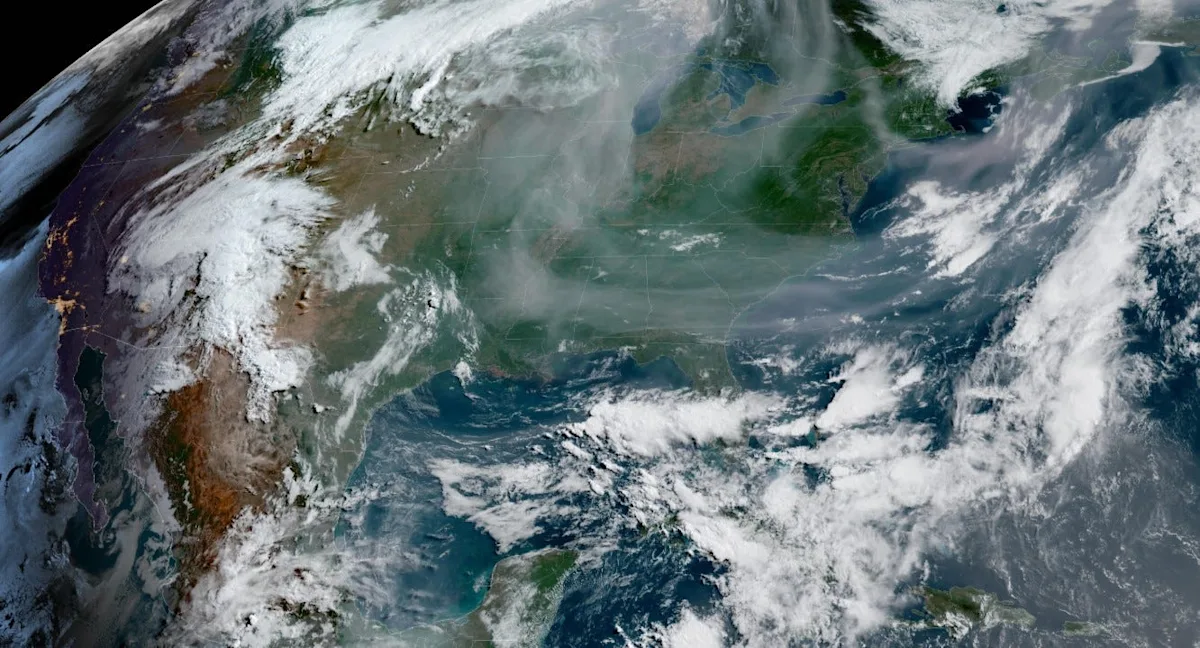
As of today, numerous factors have contributed to the decline in air quality across various regions. Firstly, wildfires, particularly those in the western United States, have been a persistent problem, sending plumes of smoke into the atmosphere. As reported by the National Interagency Fire Center, unusually high temperatures and dry conditions have led to more frequent and intense fires this fall.
Moreover, traffic emissions play a significant role, especially in metropolitan areas. According to the Environmental Protection Agency (EPA), increased vehicular traffic, combined with temperature inversions, traps pollutants close to the ground, causing air quality to worsen. Industrial activity is another contributing factor, particularly during economic rebounds post-pandemic.
Health Implications of Poor Air Quality
The implications of bad air quality are alarming. Studies from the World Health Organization indicate that air pollution causes approximately 7 million deaths annually worldwide. Short-term exposure can lead to respiratory problems, increased asthma attacks, and cardiovascular issues. Vulnerable populations, including children and the elderly, are at the highest risk.
Monitoring Air Quality
Air quality can be monitored through various platforms providing real-time data. Websites like AirNow and local health departments offer daily updates, ensuring communities are informed. Authorities also issue warnings when air quality reaches hazardous levels, urging residents to limit outdoor activities.
Conclusion: Looking Ahead
Improving air quality requires collective action from government, industry, and individuals. Long-term solutions include transitioning to renewable energy sources, enhancing public transportation, and stricter emissions regulations. While today’s conditions may seem daunting, awareness and proactive measures can lead to significant improvement in air quality in the future, benefiting both health and the environment.