
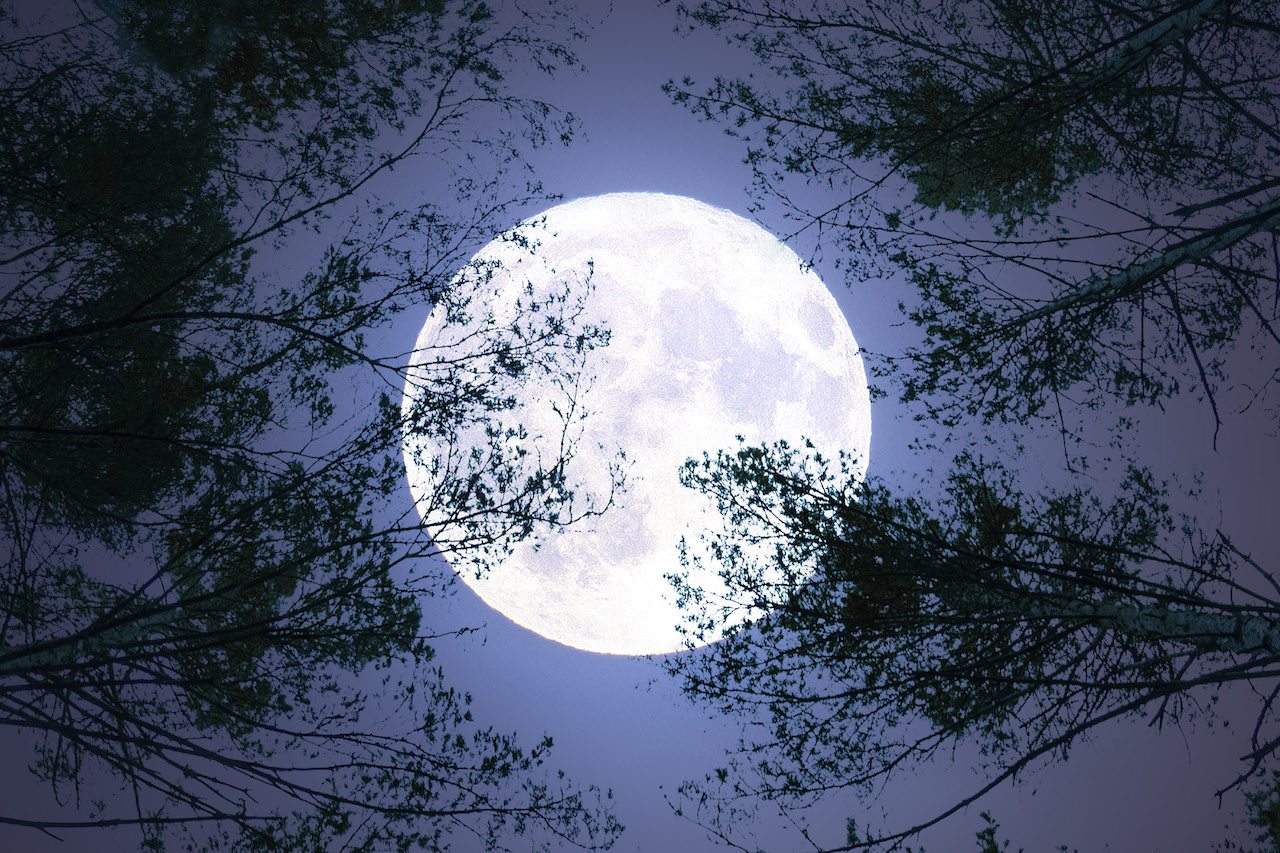
Introduction to the Blue Moon
The blue moon has captured the fascination of stargazers and casual observers alike for centuries. This celestial phenomenon is often steeped in mystery and folklore, often referred to when a second full moon appears within a single calendar month. The rarity of the blue moon, which occurs approximately every two to three years, has generated significant interest, particularly in the wake of recent astronomical events. Understanding what a blue moon is and how it occurs enhances our appreciation for the natural rhythms of our universe.
What Causes a Blue Moon?
The term ‘blue moon’ was popularized by a misinterpretation in the 1940s, but it originally denotes the third full moon in a season that has four full moons, rather than the second full moon in a month. The latest blue moon occurred on August 31, 2023, captivating skies across the world. However, it’s essential to point out that atmospheric conditions or particles can cause a moon to appear blue in color, typically due to wildfires or volcanic eruptions, but this is distinct from the calendar-based definition.
Blue Moon Events and Observations
The phenomenon has sparked noteworthy public interest, especially events such as lunar festivals and televised viewing sessions hosted by astronomers. Social media platforms buzzed with photographs and live streams during the August 2023 blue moon, showcasing its beauty and adding to its allure. Many amateur astronomers took to local parks and observatories to catch a glimpse of this rare event, demonstrating the public’s thirst for celestial wonders.
Conclusion: The Significance of the Blue Moon
As we look ahead, the next blue moon is predicted to occur on August 30, 2025, providing plenty of time for enthusiasts to prepare and engage with the event. The blue moon serves as a reminder of the wonders of our solar system and the intricate dance of lunar phases. By celebrating such events, we foster a deeper appreciation for astronomy and encourage future generations to look skyward, igniting curiosity and inspiring a passion for the cosmos. Understanding the blue moon not only enriches our cultural narratives but also connects us to the broader universe.