
Introduction
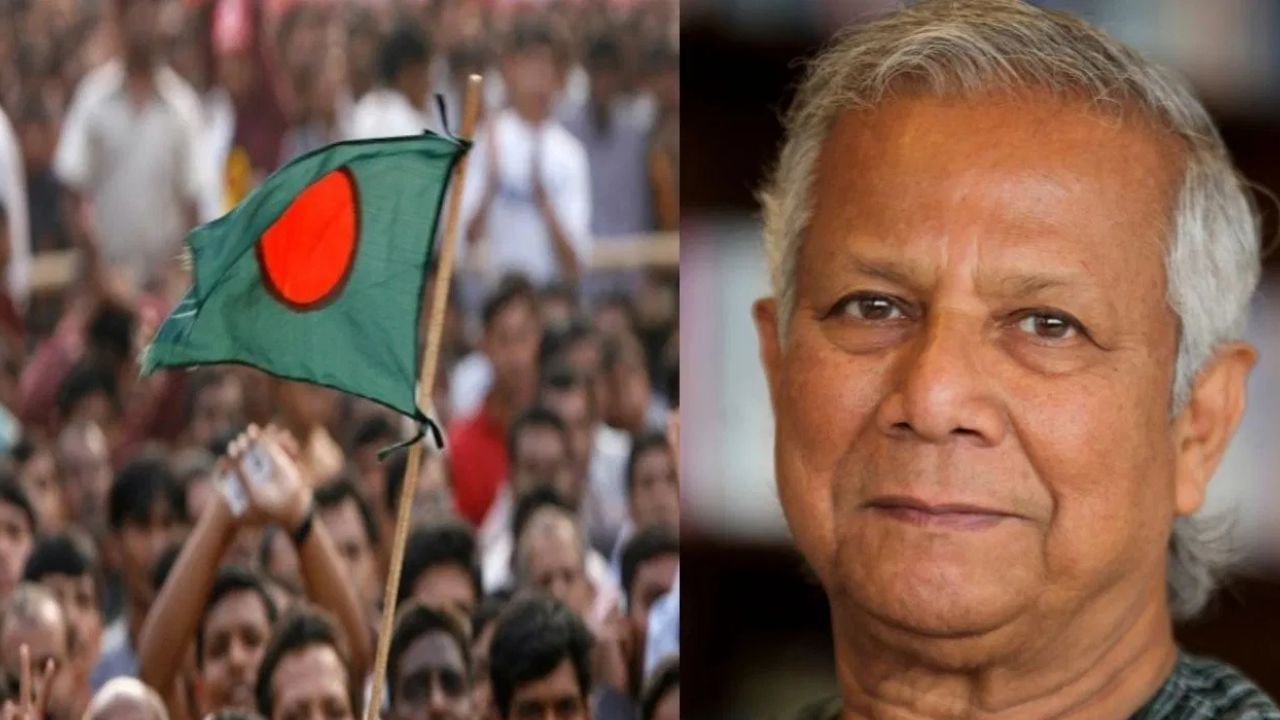
The upcoming Bangladesh election in 2026 is poised to be a pivotal moment in the country’s political landscape. As Bangladesh grapples with various economic and social challenges, the elections will not only determine the future leadership of the country but also shape policies that affect daily life for millions. With a history of politically charged elections, the 2026 event is expected to draw significant attention both locally and internationally.
Political Landscape
Currently, the political scene in Bangladesh is dominated by the Awami League, led by Prime Minister Sheikh Hasina. The party has been in power since 2009, emphasizing economic development and infrastructural projects. However, opposition parties, primarily the Bangladesh Nationalist Party (BNP), have been actively mobilizing against what they describe as authoritarian tendencies emanating from the ruling party. As the 2026 elections approach, tensions are expected to simmer, with allegations of vote rigging and suppression of dissent likely to resurface.
Key Issues
The 2026 election will center around several key issues: economic recovery post-COVID-19, management of inflation, and human rights concerns. With the global economy still facing uncertainties, voters are seeking assurances of stability and growth. Additionally, the public’s demand for democratic reforms and accountability in governance may influence the electoral outcome. Social issues such as education, healthcare, and women’s rights are also likely to impact voter sentiments.
International Implications
The Bangladesh election 2026 will attract international scrutiny, with various countries and organizations keen on ensuring a fair electoral process. The U.S., European Union, and other global entities have expressed concerns regarding democratic backsliding in Bangladesh. As a result, the elections could serve as a litmus test for Bangladesh’s commitment to democracy and human rights. Engagement from international observers and NGOs will play a crucial role in safeguarding the electoral integrity.
Conclusion
The anticipation surrounding the Bangladesh elections in 2026 marks a critical juncture for democracy in the country. With active political engagement from both the ruling party and the opposition, the elections will likely serve as a referendum on the current government’s performance and accountability. As stakeholders from various sectors prepare for this event, the implications of the electoral results could resonate far beyond the borders of Bangladesh, affecting regional stability and economic dynamics. The coming months will be crucial in shaping the narrative as the country heads toward what promises to be a contentious electoral battle.