
Introduction
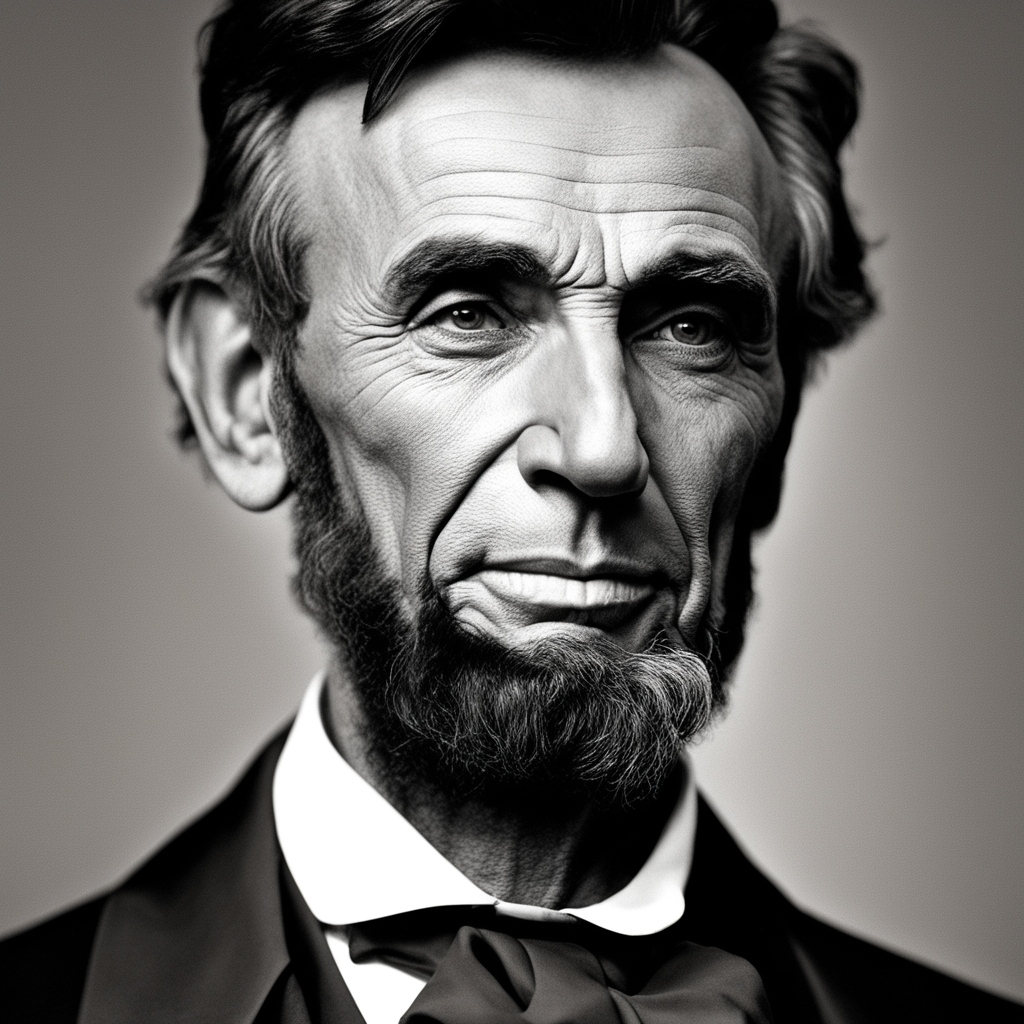
Abraham Lincoln, the 16th President of the United States, is a pivotal figure in American history, renowned for leading the nation through its Civil War and working tirelessly to end slavery. His leadership and vision for a unified country have left an indelible mark on the United States and continue to resonate today.
The Civil War and Emancipation
Lincoln assumed the presidency in 1861, a time when the nation was divided over the issue of slavery. The ensuing Civil War was a test not only of his leadership but also of the nation’s commitment to the principles of liberty and equality. In 1863, he issued the Emancipation Proclamation, which declared that all enslaved people in Confederate-held territory were to be set free. This pivotal moment in history reframed the war’s purpose and galvanized the Union’s efforts towards victory.
Lincoln’s Policies and Leadership Style
Lincoln’s approach to leadership was characterized by empathy, strategic thinking, and a commitment to justice. He worked to build a coalition that included various factions, striving to keep the Union intact while advancing crucial reforms. His ability to communicate effectively with the public—exemplified by his powerful speeches and letters—helped to unify the nation and inspire hope during challenging times.
Legacy and Impact
Lincoln’s assassination in 1865 cut his presidency short, but his legacy endures. His leadership during one of the most tumultuous periods in American history has made him a symbol of resilience and justice. The passage of the 13th Amendment, which abolished slavery, is one of the cornerstones of his enduring legacy. To this day, Lincoln is recognized for his commitment to human rights and equality, often cited in discussions about American identity and values.
Conclusion
The life and presidency of Abraham Lincoln offer invaluable lessons about leadership, morality, and the importance of standing up for justice. As the United States continues to grapple with social and political challenges, Lincoln’s vision of a united nation free from slavery remains a guiding principle. His legacy serves not only as a historical reference but as an ongoing inspiration for future generations striving for equality and justice for all.