
Impact and Consequences
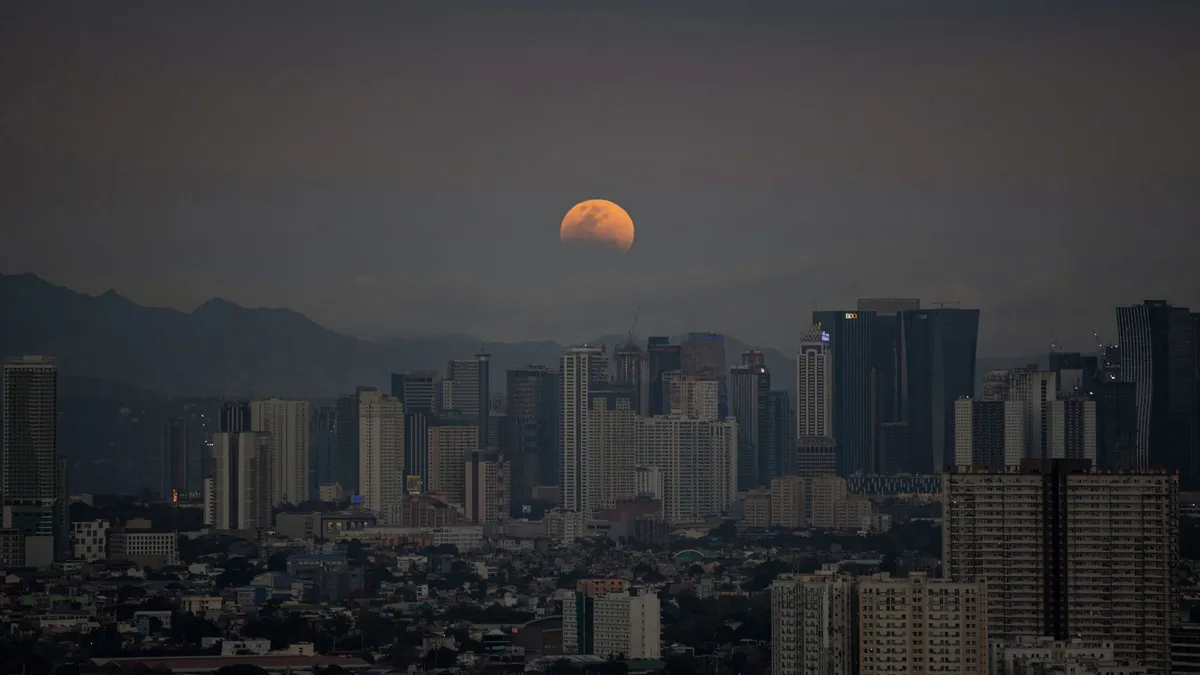
The total lunar eclipse that occurred on March 3, 2026, had a significant impact on skywatchers across North America, Asia, and Oceania. During this event, the Moon appeared red or copper-colored, a phenomenon commonly referred to as a ‘blood moon.’ The eclipse peaked at 10:57 UTC, and totality lasted approximately 56 minutes, allowing many to witness this striking transformation of the lunar surface.
Causes and Facts
Lunar eclipses can only occur during a full Moon when the lunar orbit intersects Earth’s orbital plane. This particular eclipse was part of Saros series 133, marking it as the 27th of 71 eclipses in that cycle. The penumbral phase began at 08:32 UTC, followed by the partial phase at 09:27 UTC, leading up to the total eclipse. The gamma value of the eclipse was -0.3765, indicating that the Moon’s path through Earth’s shadow passed slightly south of center, while the umbral magnitude was recorded at 1.1526, confirming full immersion within the umbra.
Details
During the total lunar eclipse, Earth’s shadow transformed the full moon into a dramatic blood moon. The rusty color observed during this event is attributed to sunlight refracting through the atmosphere. Unlike solar eclipses, lunar eclipses are safe to observe with the naked eye and require no protective equipment, making them accessible to a wider audience. This eclipse was the only total lunar eclipse of the year 2026, with the next total lunar eclipse scheduled for December 31, 2028.
What’s Next
As the excitement surrounding the red moon fades, astronomers and enthusiasts alike will look forward to the next total lunar eclipse. The anticipation builds as the date approaches, promising another opportunity to witness the beauty of a blood moon. For those who missed this event, the next chance to observe a similar phenomenon will be in late 2028, providing ample time for preparation and observation.
Background/Context
Lunar eclipses occur only during a full Moon when the lunar orbit intersects Earth’s orbital plane at a node. This unique alignment allows for the spectacular visual display that captivates audiences worldwide. The March full moon is also known as the Worm Moon, named for the time of year when the ground softens, allowing earthworms and burrowing beetles to emerge, further enriching the significance of this celestial event.