
Background of the Incident
The incident occurred during a Senate Armed Services subcommittee hearing featuring testimony from senior military officials on military readiness. The atmosphere was tense as various issues regarding military operations were being discussed, but the situation escalated dramatically when Brian McGinnis, a Marine veteran and Green Party candidate for the U.S. Senate in North Carolina, began to protest the ongoing war in Iran.
Breaking Development
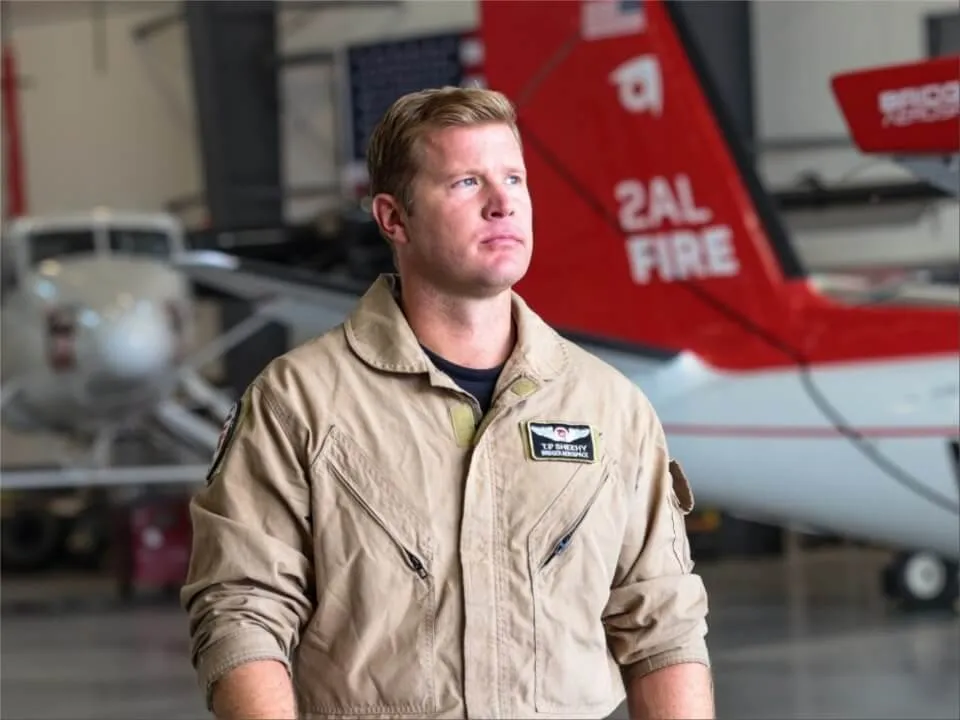
Tim Sheehy, who was present at the hearing, helped U.S. Capitol Police eject McGinnis from the meeting. The protest took a chaotic turn when McGinnis shouted, “No one wants to fight for Israel,” drawing attention and leading to a confrontation with law enforcement. Sheehy later stated, “I decided to help out and deescalate the situation,” indicating his intention to mitigate the conflict.
Reactions from Key Parties
Following the incident, McGinnis was arrested and faces multiple charges, including three counts of assaulting a police officer, three counts of resisting arrest, and one count of crowding, obstructing, and incommoding. During the altercation, three Capitol Police officers were treated for injuries, while McGinnis reportedly sustained an injury to his arm. Sheehy described McGinnis as someone who came to the Capitol looking for a confrontation, stating, “This gentleman came to the Capitol looking for a confrontation, and he got one.”
Statements from Officials
The U.S. Capitol Police emphasized that protests are not allowed inside Congressional Buildings, reinforcing the need for maintaining order during official proceedings. In contrast, supporters of McGinnis, including Mark Elbourno, argued that he was not assaulting anyone but merely wanted to be heard, asserting that he was “speaking loud and clear.”
Next Steps
As the situation unfolds, observers are closely monitoring the legal proceedings against McGinnis, who is 44 years old and dressed in military uniform during the protest. His actions and the subsequent response from law enforcement have sparked discussions about the boundaries of protest within governmental spaces and the rights of individuals to express dissent.
Details remain unconfirmed regarding the full extent of injuries sustained by the involved parties and the potential implications for future protests in similar settings. The incident highlights the ongoing tensions surrounding military actions and the political discourse surrounding them.