
Before the Release of ‘Vladimir’
Prior to the release of Netflix’s ‘Vladimir’, expectations surrounding Rachel Weisz’s career were high, yet somewhat conventional. Known for her roles in films that often highlighted her beauty and talent, Weisz was anticipated to continue in a similar vein. However, the narrative landscape for women over 50 in Hollywood has been shifting, with increasing calls for more complex and relatable characters. The industry has begun to recognize the importance of portraying mature women in diverse roles, yet many still felt that such portrayals were limited and often sidelined.
A Decisive Moment
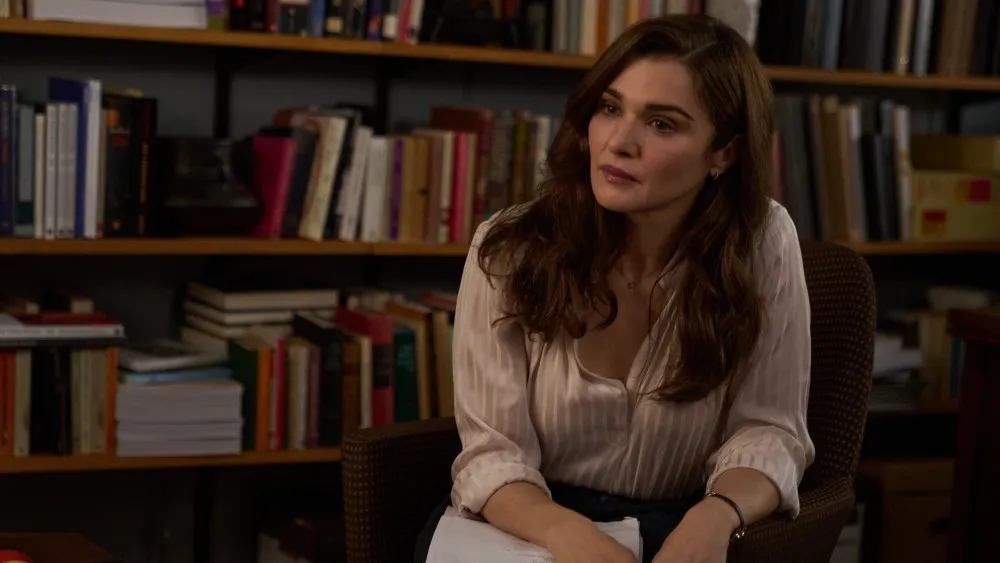
On March 5, 2026, ‘Vladimir’ was released, marking a significant shift in the narrative surrounding female characters in mainstream media. In this series, Weisz plays the unnamed protagonist, a college professor who becomes obsessed with a colleague named Vladimir. This character is not just another romantic lead; she grapples with the themes of desire, aging, and her perceived fading relevance as a woman over 50. The series is based on a novel by Julia May Jonas, published in 2022, which adds a layer of literary depth to the adaptation.
Direct Effects on the Parties Involved
The release of ‘Vladimir’ has had immediate effects on the perception of Weisz’s career and the broader conversation about female representation in film and television. John Slattery, who plays the protagonist’s husband, John, faces his own challenges within the narrative, as he is disciplined for an inappropriate relationship. This dynamic not only complicates the protagonist’s journey but also reflects the complexities of modern relationships and societal expectations. Furthermore, the series has drawn comparisons to ‘Fleabag’, highlighting the evolving landscape of storytelling that centers on women’s experiences.
Expert Perspectives
Julia May Jonas, the author of the original novel, has expressed her hopes for the series, stating, “I hope that it is a slow burn, that feeling.” This sentiment encapsulates the intention behind the narrative, which seeks to explore the nuanced emotions and struggles of its characters. She also remarked on the ongoing societal discourse regarding the attractiveness of women over 50, noting, “I get asked about this all the time — not necessarily this, but, you know, ’50-year-old women are sexy now, what’s the trend?'” This question underscores the cultural shift towards embracing older women in media, although it remains a contentious topic.
Challenges and Criticism
Despite its ambitious themes, ‘Vladimir’ has faced criticism regarding its execution. Some viewers and critics have pointed out that while the series attempts to tackle significant issues, it occasionally falls short in its portrayal of the protagonist’s complexities. The exploration of female sexuality and desire is crucial, yet the execution must resonate authentically with audiences. The juxtap of the protagonist’s obsession with Vladimir against her struggles with aging and societal expectations creates a rich tapestry of narrative potential, but the series must navigate these themes carefully to avoid cliché.
As ‘Vladimir’ continues to unfold, it serves as a pivotal moment for Rachel Weisz and the representation of women in film and television. The series not only highlights Weisz’s talent but also contributes to a larger dialogue about the roles available to women over 50. While the series has garnered mixed reviews, its very existence marks a step forward in challenging the status quo and advocating for more diverse and complex portrayals of women in media. Details remain unconfirmed regarding future seasons or additional adaptations, but the impact of ‘Vladimir’ on the industry is already being felt.