
Market Overview
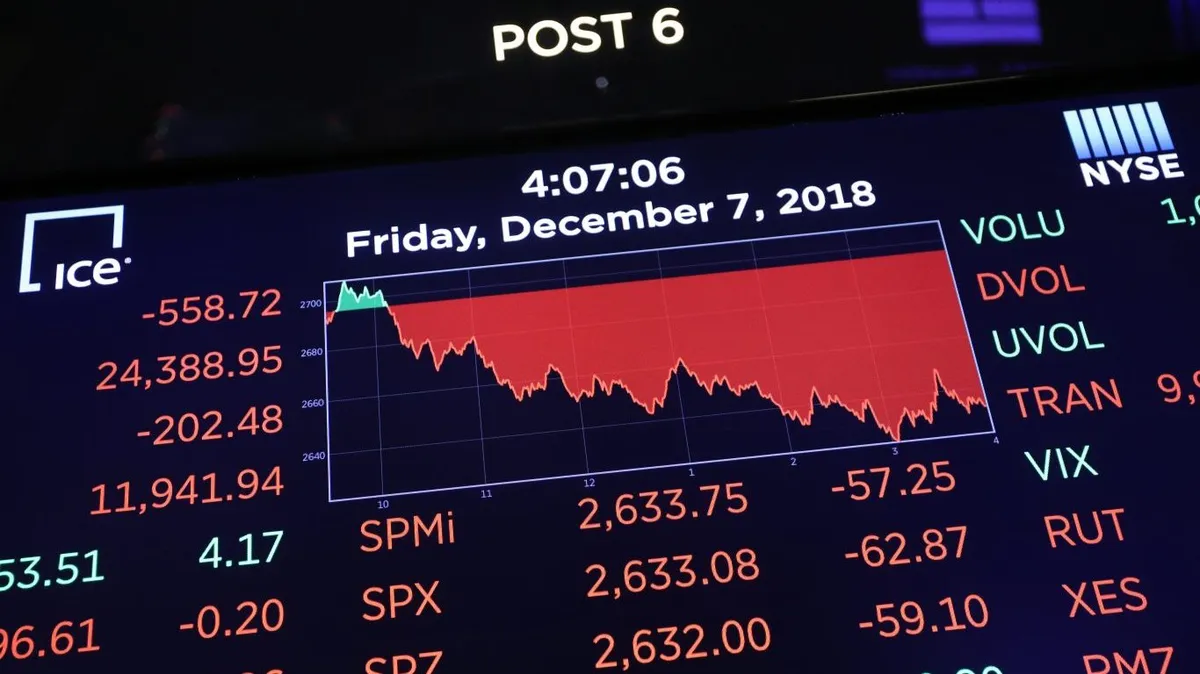
As of March 9, 2026, the financial markets are experiencing notable declines, with the SPDR S&P 500 ETF (SPY) down by 1.17%, or $7.88. This drop is part of a broader trend affecting major indices, with the S&P 500 down 1.05%, the Dow down 1.11%, and the NASDAQ down 1.16%. These movements reflect growing concerns over economic stability, particularly influenced by ongoing geopolitical tensions.
Impact of Oil Prices
The current economic climate is further complicated by the ongoing U.S.-Iran conflict, which has significantly impacted oil production and prices. As a result, the average price of U.S. gasoline has reached $3.48 a gallon, according to data from AAA. This increase in fuel prices can affect consumer spending and overall economic growth, contributing to the downward pressure on stock prices.
SPY and Its Competitors
The SPDR S&P 500 ETF (SPY) has a long-standing history, having tracked the S&P 500 since its launch in 1993. It holds 503 stocks and boasts an expense ratio of 0.09%. In comparison, the Vanguard S&P 500 ETF (VOO) offers a lower expense ratio of 0.03% and has higher assets under management. However, SPY is recognized for its unmatched trading liquidity, making it a preferred choice for many investors.
Performance Metrics
As of February 27, 2026, SPY’s one-year return stands at 17.3%, demonstrating its potential for growth despite recent market fluctuations. However, it is important to note that SPY has a maximum drawdown of 24.49% over the past five years, indicating the risks associated with investing in this ETF.
Investor Sentiment
Investors are increasingly looking at the fundamentals of ETFs like SPY and VOO as they navigate the current market landscape. The sentiment remains that investing in the stocks of the S&P 500 Index is a solid foundation for an investment portfolio, despite the recent downturns. The stability offered by these ETFs is appealing, especially in uncertain economic times.
Current State of SPY
As it stands now, SPY’s average trading volume was nearly 81 million as of March 3, 2026, indicating robust trading activity even amidst market volatility. The ETF’s performance is closely monitored by investors, as it serves as a barometer for the overall health of the U.S. stock market.
The recent decline in SPY and the broader market reflects significant economic challenges, particularly related to oil prices and geopolitical tensions. As investors assess their strategies, the performance of spy stocks like SPY and VOO will continue to be a focal point in the financial landscape.