
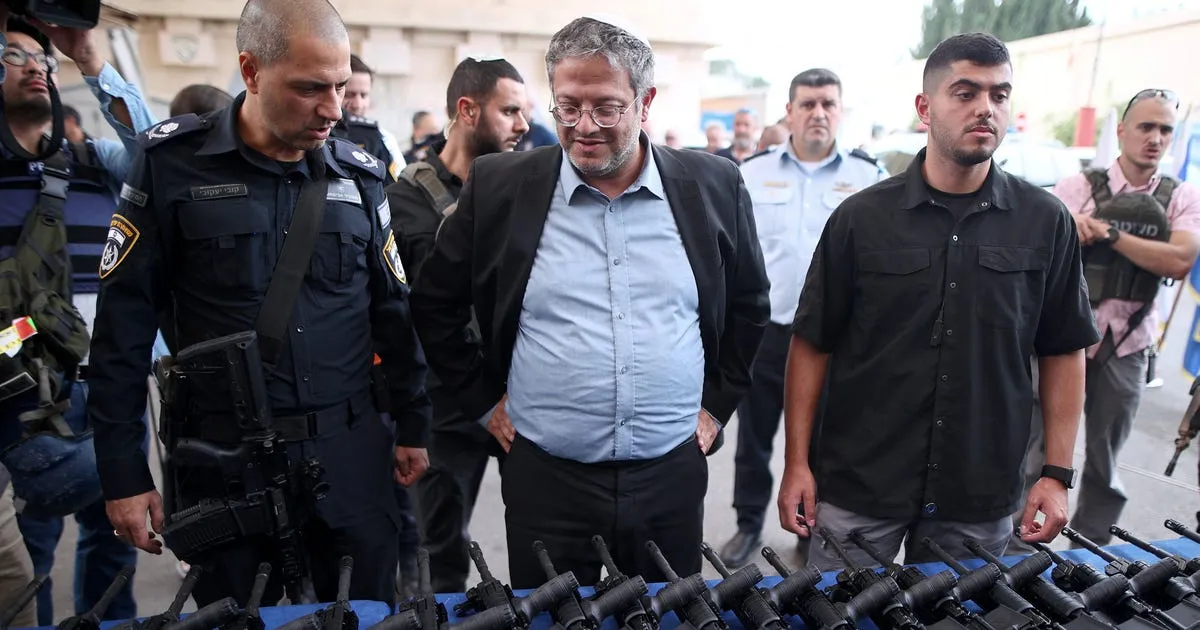
Ben Gvir expands firearm eligibility for Jerusalem residents
On March 10, 2026, Itamar Ben-Gvir, Israel’s Minister of National Security, announced a significant policy change allowing all Jewish residents in Jerusalem to apply for firearm licenses based on their place of residence. This decision marks a notable shift from the previous regulations, which restricted eligibility to residents of neighborhoods adjacent to the West Bank.
The new policy is set to add approximately 300,000 city residents from 41 neighborhoods to the list of those eligible for gun permits. This expansion is part of Ben-Gvir’s broader strategy to enhance security measures during what he describes as ongoing wartime conditions in the region.
Ben-Gvir’s initiative aims to arm more residents, thereby facilitating a quicker response to potential threats. The policy not only widens the pool of applicants but also accelerates the approval process for those who have undergone training. Supporters of the policy argue that it will serve as a deterrent against violence and improve public safety by enabling faster responses to incidents.
However, the announcement has sparked controversy and concern among various groups. Critics warn that the expansion of gun permits could lead to oversight gaps and increase the risks of accidental harm. They argue that allowing a larger number of civilians to carry firearms without adequate regulation could escalate tensions and lead to unintended consequences.
In the context of Israeli security policy, this change reflects a tightening of measures aimed at addressing perceived threats. The decision comes amid ongoing discussions about the balance between security and public safety, particularly in urban areas like Jerusalem where tensions can run high.
Eran Nahon, a notable figure who has previously assisted Ben-Gvir in implementing stricter conditions for Palestinian security prisoners, is also involved in the discourse surrounding this policy change. His influence highlights the interconnectedness of security measures and the broader political landscape in Israel.
As the policy unfolds, reactions from various stakeholders continue to emerge. While some express support for the increased eligibility, others raise alarms about the potential for increased violence and the need for stringent oversight. Details remain unconfirmed regarding the specific implementation timeline and the measures that will accompany this policy shift.
In summary, Ben-Gvir’s announcement to expand firearm eligibility for Jewish residents in Jerusalem marks a pivotal moment in Israel’s security policy, reflecting both a response to current conditions and a contentious debate over public safety and regulation.