
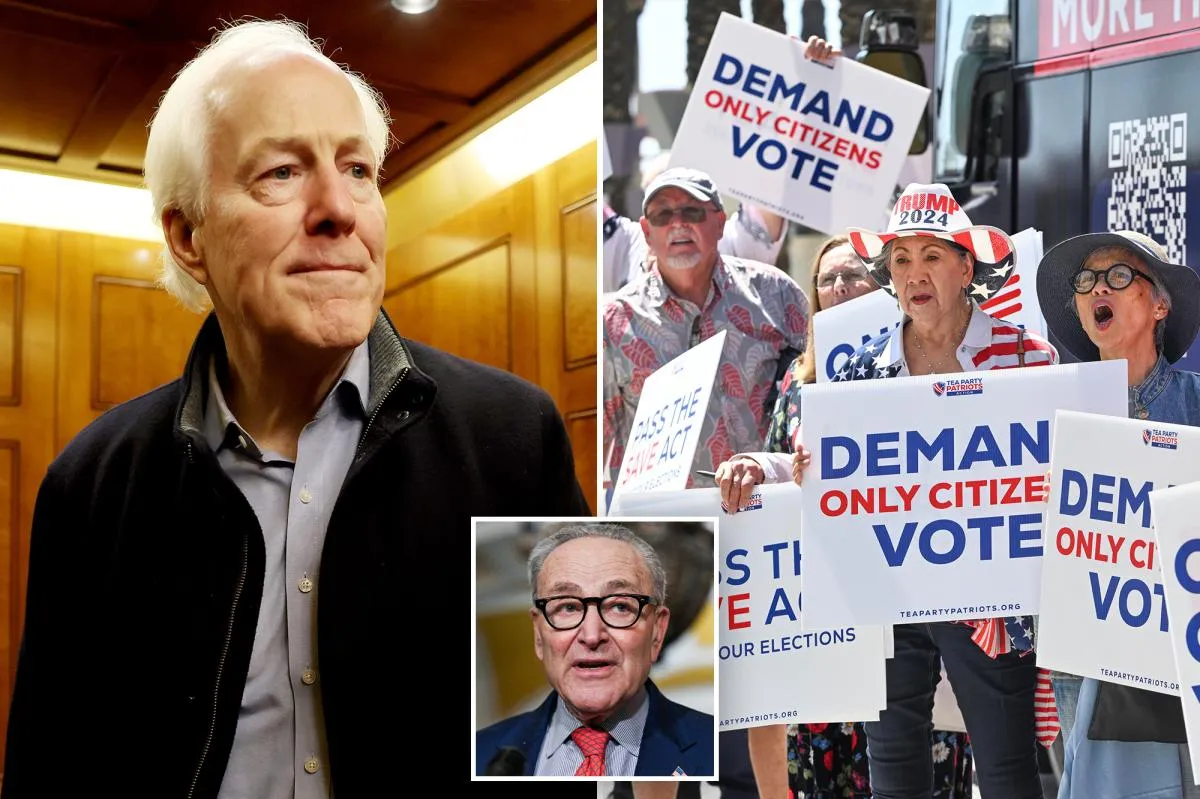
Prior Expectations on Voter Registration
Before the introduction of the SAVE America Act, voter registration in the United States was characterized by relatively lenient requirements. Many states allowed individuals to register with minimal documentation, fostering a more inclusive environment for eligible voters. The expectation was that these accessible processes would encourage higher voter participation rates, particularly among marginalized communities.
A Decisive Shift in Legislation
The SAVE America Act, formally known as the Safeguard American Voter Eligibility Act, marks a significant shift in this landscape. The legislation requires proof of citizenship to register to vote in federal elections, mandating that Americans present documentary proof, such as a U.S. passport or a driver’s license with proof of citizenship. Additionally, it imposes photo ID requirements at polling places. This change aims to prevent noncitizens from voting, a priority for President Trump, who has emphasized the bill as his “number one priority.” The House has previously passed earlier versions of this act twice, but its future in the Senate remains uncertain due to the 60-vote filibuster threshold.
Immediate Effects on Voter Registration
The immediate implications of the SAVE Act are profound. By requiring proof of citizenship, the legislation complicates voter registration for individuals who have changed their names, potentially disenfranchising those who may struggle to provide the necessary documentation. Furthermore, the bill mandates that states actively search for noncitizen voters and submit their voter rolls to a federal database, adding another layer of complexity to the registration process.
Reactions from Political Leaders
Political leaders have expressed varied opinions on the SAVE Act. Senator John Cornyn stated, “The president has made the SAVE America Act his ‘number one priority,’ and he is right,” highlighting the urgency with which the administration views this legislation. Conversely, Democrats have raised alarms about the potential for disenfranchisement, arguing that the bill could affect millions of eligible voters. As Senator John Thune noted, while he can guarantee a debate and a vote on the matter, he cannot assure a favorable outcome.
Expert Perspectives on the Legislation
Experts are divided on the implications of the SAVE Act. Proponents argue that the legislation is necessary to ensure the integrity of elections, while opponents warn that it could disenfranchise significant portions of the electorate. The National Association of Secretaries of State has voiced concerns about the administrative burden the new requirements would impose on state election officials, who would need to adapt their systems to comply with the new rules.
Uncertainties Surrounding the Bill’s Future
Despite the fervor surrounding the SAVE Act, uncertainties loom over its potential impact on voter registration and participation. Details remain unconfirmed regarding how many individuals may be affected by the new requirements and whether the bill will successfully pass in the Senate given the current political landscape. The debate continues to unfold as lawmakers grapple with balancing election integrity and access to the ballot box.
The SAVE America Act represents a pivotal moment in the ongoing discussion about voter registration and election integrity in the United States. As the legislative process progresses, the ramifications of this act will likely reverberate throughout the political landscape, shaping the future of voting in America.