
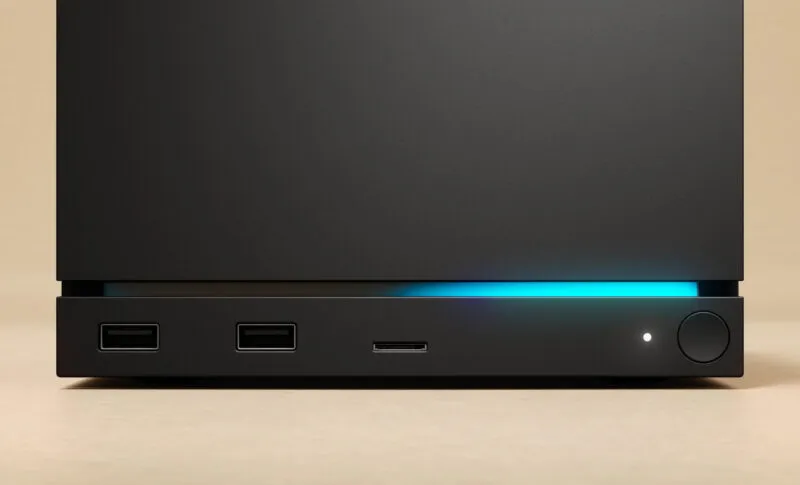
Introduction to the Valve Steam Machine
As the gaming industry continues to evolve, Valve is preparing to launch a new iteration of the Steam Machine in early 2026. This development comes after the original Steam Machines, released in the mid-2010s, faced significant challenges that led to their lack of success. The previous models were hamstrung by inconsistent hardware, a balkanized ecosystem, and limited game support, which ultimately hindered their acceptance in the market.
Key Features and Specifications
The upcoming Steam Machine is designed to be compact, roughly the size of a small cube, making it suitable for living room setups. It will be powered by a semi-custom AMD Zen 4 processor and an RDNA3-based GPU, targeting native 4K resolution at 60 frames per second with FidelityFX Super Resolution (FSR). This hardware configuration aims to provide a high-quality gaming experience that can compete with traditional gaming consoles.
Software and Compatibility
The new Steam Machine will run on SteamOS 3, which is designed to enhance the gaming experience on the platform. Additionally, it will support Proton, allowing for compatibility with many Windows games. Games verified for the Steam Deck will also be verified for the Steam Machine, maintaining a target of 30 frames per second at 1080p, further expanding the library of playable titles.
Pricing and Market Positioning
Valve has explicitly stated that the Steam Machine will not be subsidized like traditional consoles. Instead, it will be priced “like a PC with similar performance,” which raises questions about its affordability compared to existing gaming consoles. Details remain unconfirmed regarding the exact pricing and firm release date, leaving potential buyers in anticipation.
Steam Frame VR and Cross-Device Integration
Alongside the Steam Machine, Valve is also introducing the Steam Frame VR headset. However, it is important to note that this headset will not have a verification process for games streamed from a PC. For VR games on the Steam Frame, a performance of 90 frames per second is required for a Verified badge, while standalone 2D titles must maintain 30 frames per second at 720p. This focus on performance underscores Valve’s commitment to creating a cohesive, cross-device platform with the Steam Machine as a central hub.
Future Implications for Gamers
The introduction of the new Steam Machine is significant for gamers and the industry as a whole. Valve aims to create a more unified gaming experience that leverages the strengths of its existing platforms. By optimizing lower spec machines, Valve hopes to expand its audience and provide a more inclusive gaming environment. The success of this venture could reshape how gamers interact with both hardware and software in the future.
As Valve gears up for the launch of the Steam Machine, the gaming community watches closely. With advanced hardware, a focus on compatibility, and a commitment to a cohesive gaming experience, the new Steam Machine could mark a turning point for Valve and its approach to gaming consoles. The anticipation surrounding this release highlights the ongoing evolution of gaming technology and the potential for innovation in the industry.