
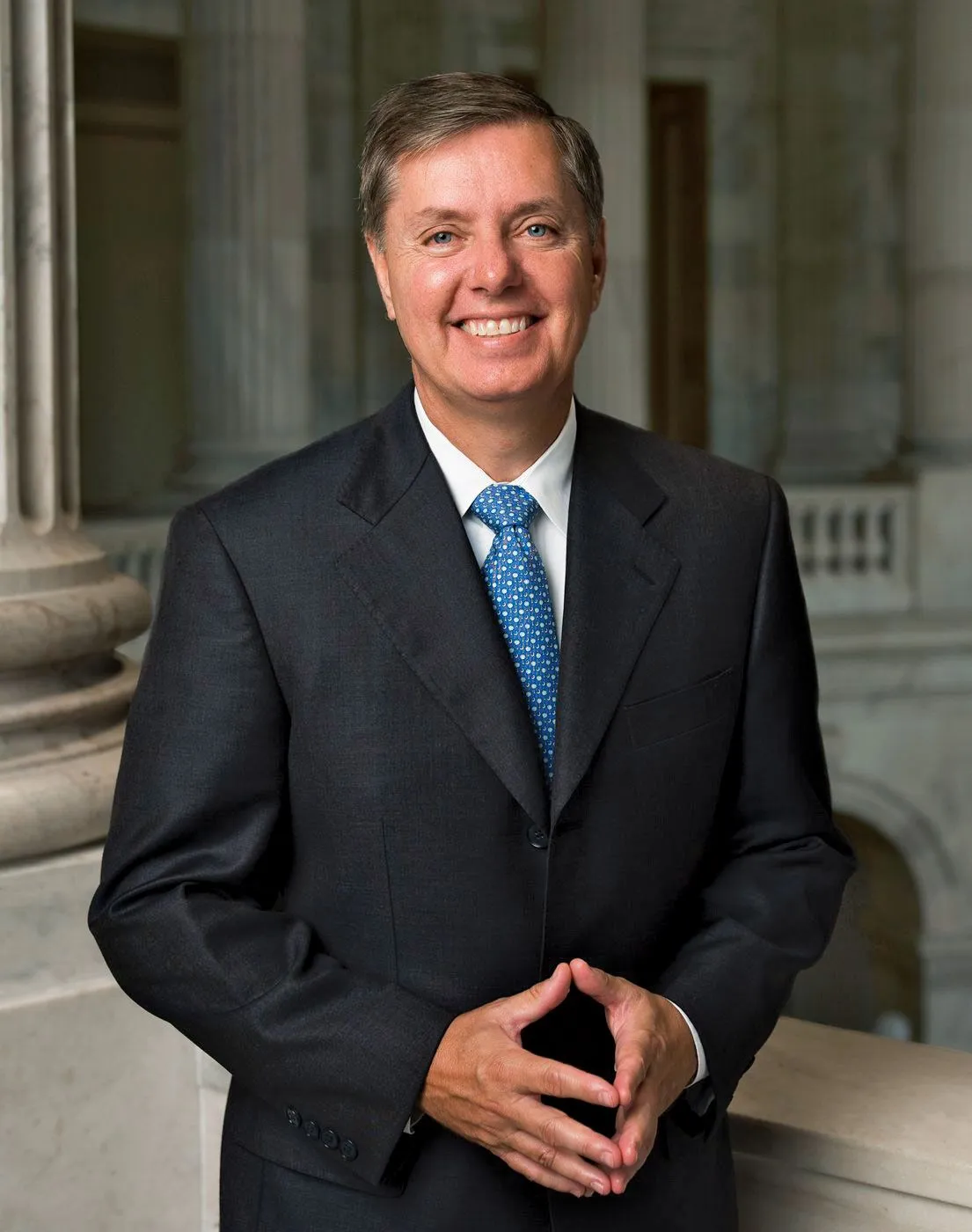
Lindsey Graham’s Influence on U.S. Military Action in Iran
Lindsey Graham has been a pivotal figure in shaping U.S. military actions in Iran, particularly as the conflict escalated with the initiation of Operation Epic Fury on February 28, 2026. This operation involved coordinated U.S. and Israeli airstrikes targeting Iranian military installations, marking a significant escalation in military engagement in the region.
Graham, who has served as a senator for nearly two decades, has been a vocal critic of Iran’s leadership, often referring to them as “religious Nazis” and warning against any diplomatic overtures. His strong stance has made him a key influencer on President Donald Trump’s military decisions regarding Iran, emphasizing a more aggressive approach to U.S. foreign policy in the Middle East.
As the conflict unfolds, reports indicate that at least 1,230 deaths have occurred in Iran, alongside nearly 400 in Lebanon and at least 11 in Israel due to the ongoing war. The toll has also included the loss of seven U.S. service members, highlighting the human cost of the military actions initiated under Graham’s influence.
Despite the aggressive military strategy, Graham has assured the public that there will be “no American boots on the ground” in Iran, distinguishing the current situation from the Iraq War. This statement aims to alleviate concerns regarding a prolonged U.S. military presence in the region, although the exact outcome of these military actions and their long-term implications for Iran and the region are unclear.
Graham’s rhetoric has not been without criticism. Former White House Communications Director Anthony Scaramucci publicly rebuked him, stating, “Lindsey Graham. What are you doing? You sound unhinged. You are embarrassing yourself and you are embarrassing this country.” Such criticisms reflect a growing concern among some observers regarding the potential consequences of Graham’s hawkish stance.
In addition to his military influence, Graham’s extensive experience in Congress—having spent thirty years building relationships and accumulating institutional knowledge—has positioned him as a significant player in U.S. foreign policy. His connections and understanding of military strategy have allowed him to advocate for a robust response to perceived threats from Iran.
As the situation continues to develop, the next two weeks are expected to be particularly challenging, with Graham himself stating, “The next two weeks will be hell.” Observers are left to ponder the potential ramifications of the ongoing military actions and whether a draft may be reinstated, although details remain unconfirmed.
In summary, Lindsey Graham’s influence on U.S. military action in Iran is evident as the conflict escalates, raising questions about the future of U.S. involvement in the region and the broader implications for international relations.