
Who is involved
Tornadoes may be a rare occurrence in the Northeast, but it is still important to know when and how to stay safe when severe weather threatens your home. Understanding the difference between a tornado watch and a tornado warning is crucial for ensuring safety during these potentially dangerous events.
Before the advent of more sophisticated weather monitoring technologies, the public often had limited information regarding severe weather threats. People relied heavily on local news reports and personal observations to gauge the risk of tornadoes. The expectation was that tornadoes were unpredictable, and many individuals felt unprepared for such events. However, advancements in meteorological science have led to the establishment of clear communication protocols, including the issuance of tornado watches and warnings.
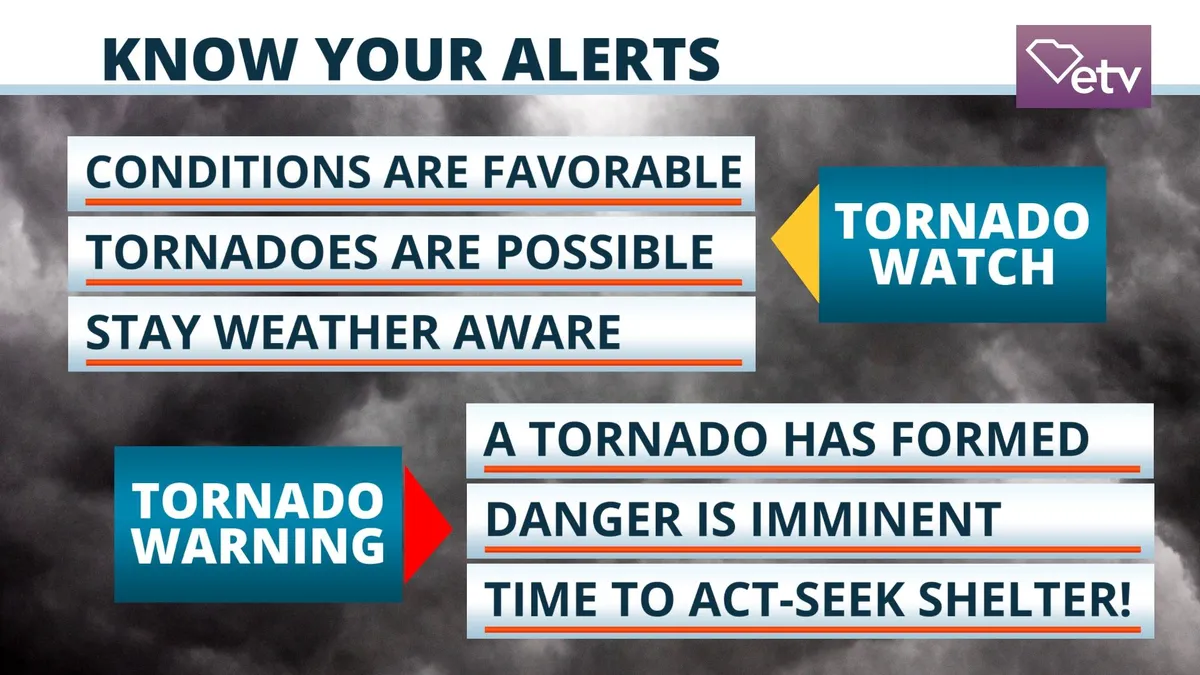
A tornado watch means that conditions are favorable for the formation of tornadoes. It indicates that a tornado is possible in or near the watch area, prompting individuals to be prepared. In contrast, a tornado warning signifies that a tornado is either happening or is about to happen. This warning is issued when a tornado has been sighted on the ground or indicated by weather radar, creating an urgent situation where immediate action is necessary.
The decisive moment occurs when a tornado warning is issued. At this point, the immediate numbers and facts become critical. During a tornado warning, there is imminent danger to life and property. Individuals are advised to seek shelter immediately, moving to an interior room on the lowest floor of a sturdy building. The difference in action required between a watch and a warning is stark: a watch signals to be prepared, while a warning demands immediate action.
The effects of these warnings can be profound. When a tornado warning is issued, communities often experience heightened anxiety and urgency. People may rush to secure their homes, gather emergency supplies, and seek shelter. For instance, it is recommended to have at least three days of food and water on hand in case of severe weather disruptions. Additionally, wearing a helmet and placing blankets or pillows over the body can provide protection from debris during a tornado.
Expert voices emphasize the importance of understanding these distinctions. One expert notes, “A Watch means BE PREPARED, a tornado is possible in or near the watch area,” while adding that “A Warning means TAKE ACTION and SEEK SHELTER IMMEDIATELY, as a tornado is happening or is about to happen.” This clear communication helps individuals make informed decisions during severe weather events.
Furthermore, safety measures during a tornado are critical. It is advised against stopping under a highway overpass, as this is not a safe option. Instead, if individuals cannot reach shelter, it is safer to remain inside their vehicle with seatbelts fastened. If there’s a lower area nearby, such as a ditch, it is safer to lie down there and shield the head with hands. These actions can significantly increase the chances of survival during a tornado.
In summary, the distinction between a tornado watch and a tornado warning is vital for public safety. While a watch indicates potential danger, a warning signifies immediate risk, necessitating swift action. As weather forecasting continues to improve, the public is better equipped to respond to severe weather threats effectively. Details remain unconfirmed regarding the frequency of tornadoes in certain areas, but preparedness remains key in mitigating risks associated with these natural disasters.