
How it unfolded
On March 16, 2026, the city of Canterbury, Kent, became the focus of a serious public health concern as reports emerged of an outbreak of invasive meningococcal disease. This outbreak has tragically resulted in the deaths of two young individuals, prompting urgent responses from health authorities.
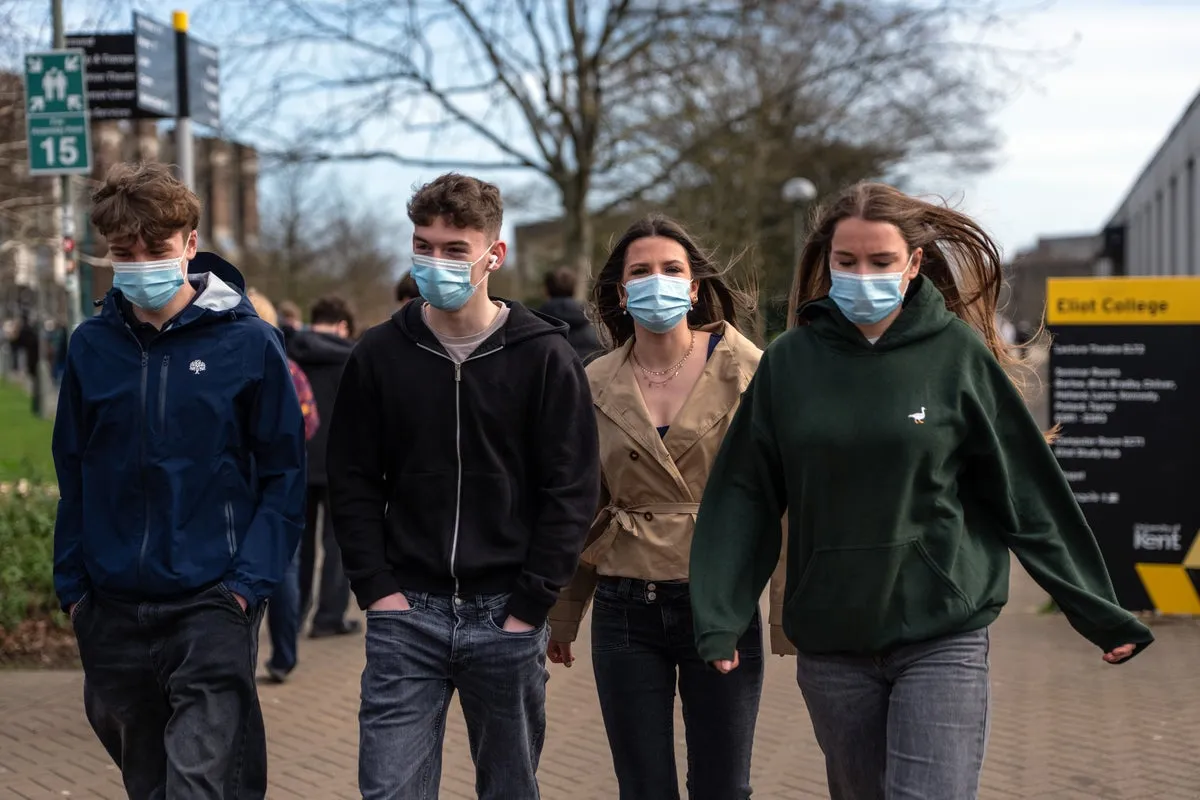
The outbreak has been linked primarily to student populations in Canterbury, particularly affecting those associated with the University of Kent. Among the victims was a high school student from Queen Elizabeth’s Grammar School in Faversham, highlighting the vulnerability of young people in close-contact environments.
As of now, health officials have confirmed 11 additional cases of meningitis related to this outbreak. At least 11 individuals are currently hospitalized, with some reported to be in serious condition. The UK Health Security Agency has been actively involved in managing the situation, reaching out to over 30,000 individuals in the region to provide information and support.
Invasive meningococcal disease is caused by the bacterium Neisseria meningitidis, which can lead to severe conditions such as meningitis and septicemia. Symptoms of meningococcal meningitis can include fever, headache, rapid breathing, drowsiness, shivering, vomiting, and a distinctive rash that does not fade when pressed against a glass. The rapid progression of this disease makes awareness and early detection critical.
Trish Mannes, a representative from the UK Health Security Agency, emphasized the importance of vigilance among students and staff, stating, “Meningococcal disease can progress rapidly, so it’s essential that students and staff are alert to the signs and symptoms of meningococcal meningitis and septicaemia.” This warning underscores the need for immediate action if symptoms arise.
Vaccination is a key preventive measure against meningococcal disease, and several vaccines are available to protect against the most common strains. Dr. Tom Nutt advocated for broader vaccination efforts, asserting, “We believe all teenagers and young adults should be protected by this vaccine.” However, details remain unconfirmed regarding the specific vaccination status of those affected in this outbreak.
As the situation develops, health officials continue to monitor the outbreak closely. Paul Hunter, an expert in infectious diseases, noted the challenges in early diagnosis, stating, “Early treatment is vital, but diagnosis in the early hours of the illness can be very difficult.” The community is urged to remain alert and informed as health authorities work to contain the outbreak and prevent further cases.