
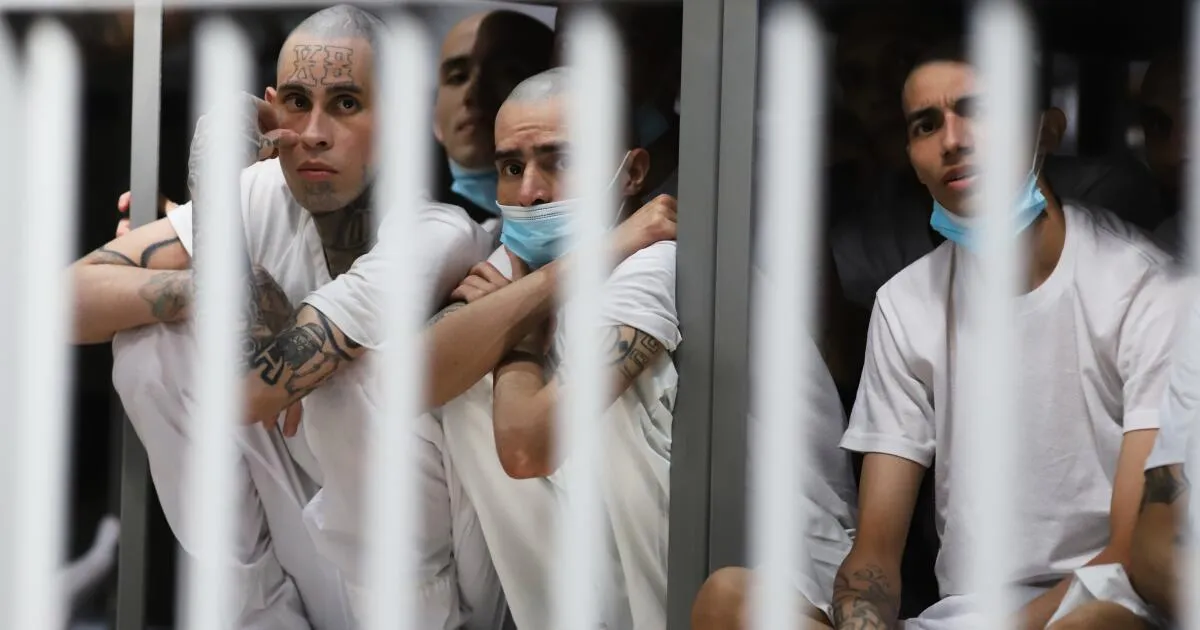
Since the declaration of a state of emergency in March 2022 by President Nayib Bukele, El Salvador has seen a troubling rise in arbitrary detentions. This situation has escalated, particularly for Salvadoran nationals deported from the United States.
As of March 2026, more than 9,000 Salvadorans have been deported from the U.S. since January 2025. Many of these individuals have been subjected to arbitrary detention upon their return, raising significant human rights concerns.
Reports indicate that around 91,300 people have been detained in El Salvador since the state of emergency was enacted. Detainees often lack access to due process, with many being judged in mass trials without adequate legal representation.
Human Rights Watch has highlighted severe issues within the detention system, noting that detainees frequently cannot communicate with their families or lawyers. This has left many families in a state of uncertainty, as they are often unaware of their loved ones’ whereabouts or the reasons for their detention.
Only 10.5% of the 9,000 deported Salvadorans had a conviction for a violent or potentially violent crime in the U.S., according to reports. This statistic raises questions about the criteria used for detention and the potential for wrongful imprisonment.
Juanita Goebertus, a representative from Human Rights Watch, emphasized the importance of due process, stating, “They have a right to due process, to be taken before a judge, and their relatives are entitled to know where they are being held and why.” This sentiment is echoed by families of detainees, who express their anguish and frustration over the lack of information.
One mother of a deported Salvadoran lamented, “I still know nothing about my son, nothing,” highlighting the emotional toll this situation has taken on families. Another mother shared, “It’s total silence. We know nothing about him, we don’t know what’s going to happen.” Such statements underscore the human impact of the ongoing crisis.
Additionally, prisons in El Salvador have faced accusations of human rights abuses, including beatings and sexual abuse, further complicating the situation for detainees. The state of emergency has also led to the suspension of key constitutional rights, intensifying concerns over civil liberties.
The Trump administration previously claimed that many deported Salvadorans were members of the MS-13 gang, which has contributed to the stigma surrounding these individuals. However, the lack of transparency in the detention process raises significant ethical questions.
As the situation develops, the fate of many detainees remains uncertain, with families left in silence and fear regarding their loved ones’ futures. The ongoing human rights concerns in El Salvador highlight the urgent need for reform and accountability within the country’s detention system.