
The numbers
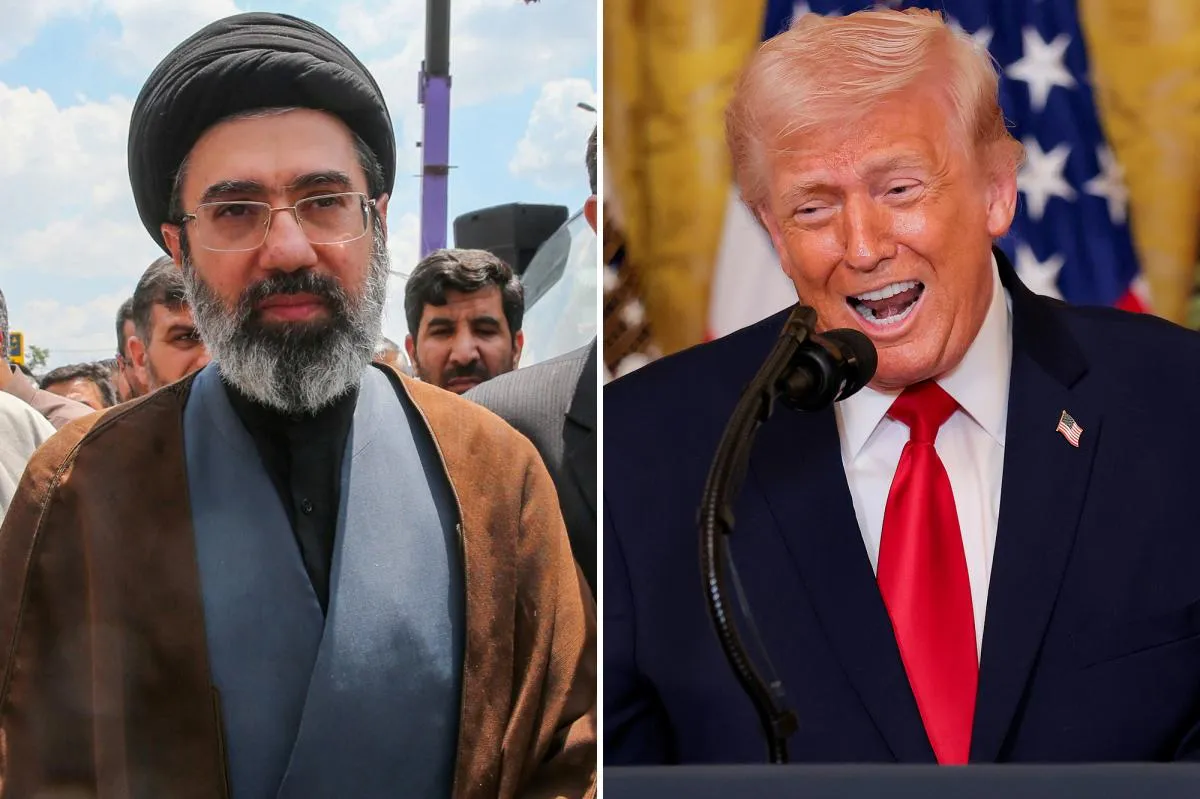
Mojtaba Khamenei was selected to replace his father, Ali Khamenei, as Iran’s supreme leader on March 8, 2026, at the age of 56. His appointment follows a tumultuous period marked by an airstrike on February 28, 2026, which left him wounded and resulted in the death of his wife and son.
In the wake of the airstrike, Mojtaba Khamenei was secretly flown to Moscow for medical treatment. Reports indicate that he has not appeared in public since his appointment, raising questions about his health and ability to lead. US President Donald Trump expressed uncertainty about Khamenei’s condition, stating, “We don’t know who we’re dealing with in Iran.” This uncertainty is compounded by US intelligence suggesting that Mojtaba Khamenei may be gay, a fact that could complicate his leadership in a country where homosexual conduct is illegal and severely punished.
Historically, there have been whispers about Mojtaba Khamenei’s sexual orientation since at least May 2024, following a helicopter crash that killed then-President Ebrahim Raisi. His father, Ali Khamenei, had expressed concerns about his son’s suitability to rule, describing him as “not very bright” and “unqualified to be leader.” These concerns have resurfaced as Mojtaba Khamenei navigates his new role amidst personal and political challenges.
Despite these controversies, Mojtaba Khamenei’s first official statement was released in written form without audio or video, suggesting a cautious approach to his public image. Observers note that he has made aggressive sexual advances while receiving medical care, further complicating perceptions of his leadership.
As the situation unfolds, the Iranian public and international observers are left in the dark regarding Khamenei’s current whereabouts and the status of his recovery from the airstrikes. Details remain unconfirmed, and the exact nature of his injuries and their impact on his ability to lead remain uncertain.
In the aftermath of the airstrike that injured him, nine Iran-backed fighters were reportedly killed in subsequent strikes in Iraq on March 12, 2026, indicating ongoing tensions in the region. The political landscape in Iran is shifting, and the implications of Mojtaba Khamenei’s leadership will be closely monitored both domestically and internationally.
As Mojtaba Khamenei steps into his role as supreme leader, the expectations from his family and the Iranian populace are high. He was expected to produce children quickly, but complications from his medical treatment have delayed this. The future of Iran under his leadership remains uncertain as the nation grapples with both internal and external challenges.