
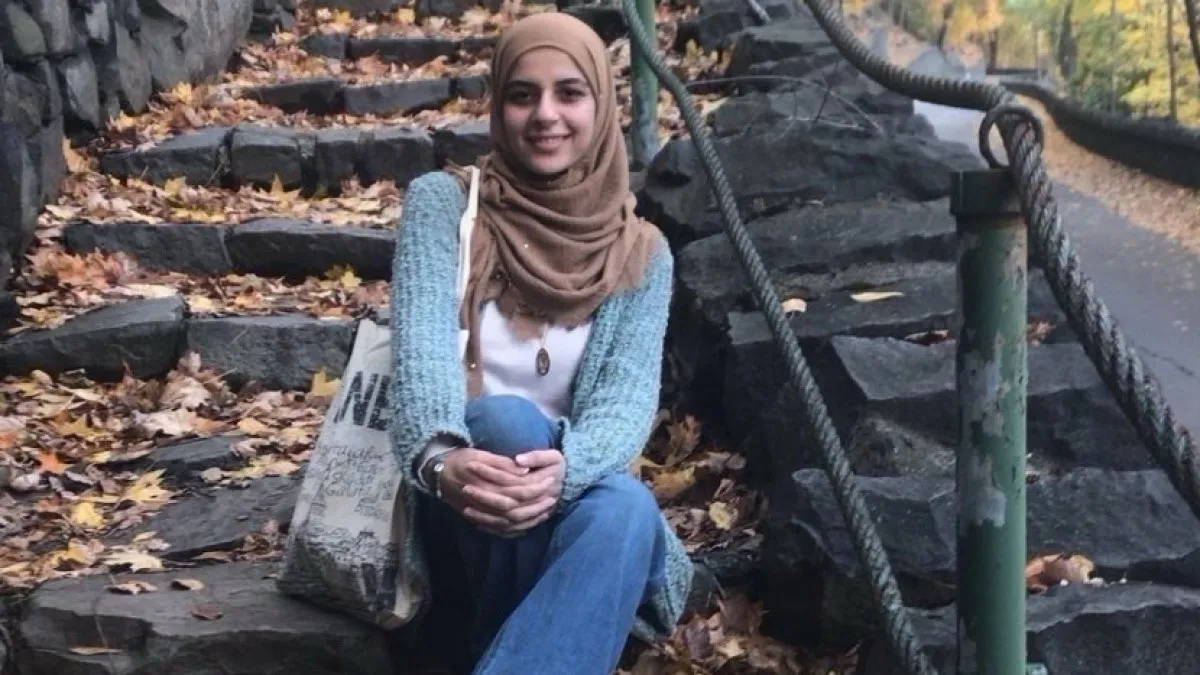
Leqaa Kordia was released from immigration detention on March 16, 2026, after spending a year in custody at the Prairieland Detention Center in Alvarado, Texas. Her release marks a significant moment in the ongoing discourse surrounding immigration policy and the treatment of activists in the United States. Kordia was the last person in immigration detention following the Trump administration’s crackdown on pro-Palestinian activism, which had intensified in recent years.
Kordia’s journey began when she was arrested during a protest outside Columbia University in 2024, where she was advocating against Israel’s military actions. Following her arrest, she was detained at the Prairieland Detention Center in March 2025. Despite her legal team’s efforts, Kordia faced significant challenges in securing her release, with an immigration judge ordering her release on bond three times before she was finally freed on a $100,000 bond.
Upon her release, Kordia expressed her relief, stating, “I don’t know what to say. I’m free! I’m free! Finally, after one year.” Her emotional response highlights the toll that her detention had taken on her mental and physical health. Kordia’s lawyers reported that she had a neurological condition that worsened during her time in custody, and she was hospitalized for three days after suffering a seizure while detained.
Her detention was not just a personal ordeal; it was emblematic of broader issues within the U.S. immigration system. Kordia’s case drew attention to the treatment of individuals who participate in protests and the potential repercussions they face. “There is a lot of injustice in this place. There is a lot of people that shouldn’t be here in the first place,” Kordia remarked, reflecting on the experiences of others in similar situations.
Kordia has lived in New Jersey since 2016 and had a pending asylum application at the time of her detention. Her activism, particularly in light of her personal losses—nearly 200 family members during the conflict in Gaza—has made her a prominent figure in discussions about immigration and human rights. Her family, including her brother Hamzah Abushaban, emphasized the emotional toll of her year in detention, stating, “This past year has taken an unimaginable toll on Leqaa and our entire family.”
As Kordia begins to reintegrate into society, observers are keen to see how her case will influence ongoing discussions about immigration policy and the treatment of activists. The Department of Homeland Security and U.S. Immigration and Customs Enforcement (ICE) have faced increasing scrutiny regarding their practices, particularly in relation to individuals involved in political activism.
Looking ahead, advocates for immigration reform are hopeful that Kordia’s release will serve as a catalyst for change in the system. There are calls for greater accountability and transparency in how immigration enforcement operates, especially concerning the rights of individuals who engage in peaceful protests. Kordia’s story is a reminder of the human impact behind policy decisions and the importance of protecting civil liberties in the face of governmental action.