
How it unfolded
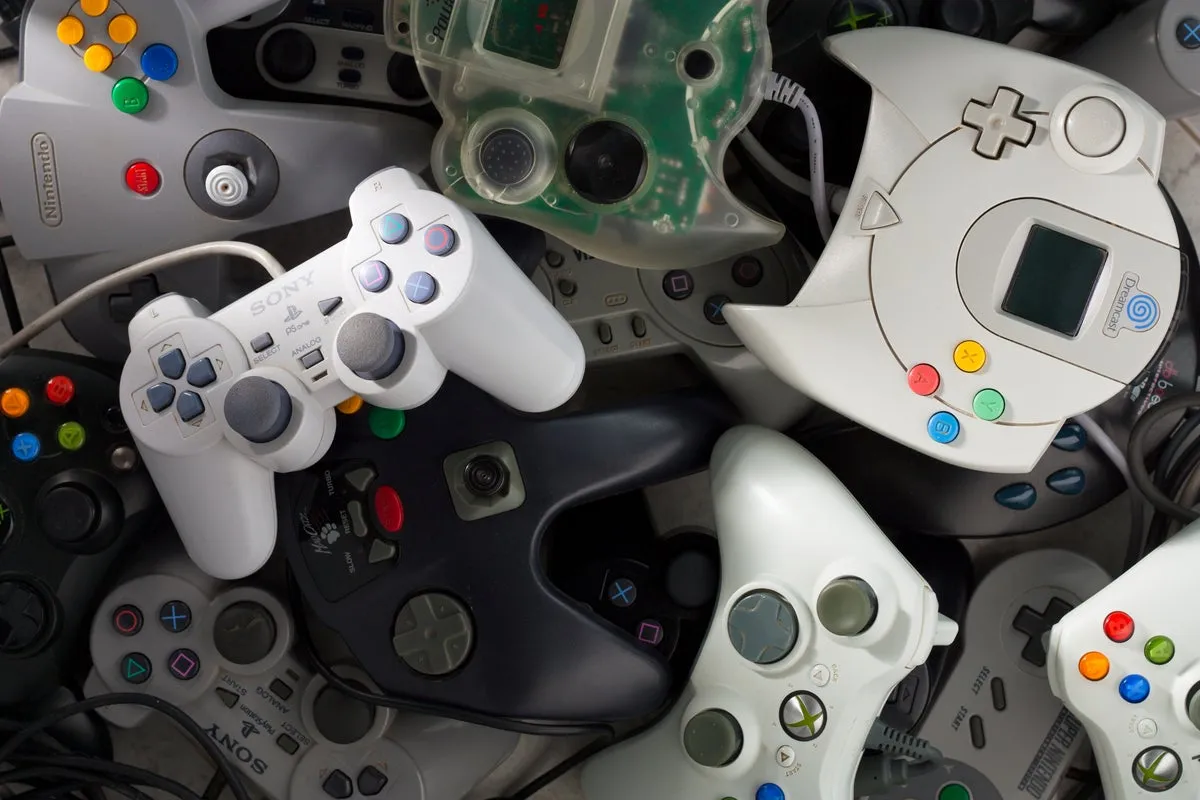
On March 17, 2026, GameStop made a significant announcement that would resonate with gamers and collectors alike: the PlayStation 3, Xbox 360, and Nintendo Wii U have been officially classified as retro consoles. This declaration marks a notable shift in how these systems are perceived in the gaming community, as they are now referred to as “historic artifacts” by the retailer.
The decision to classify these consoles as retro was based on a careful analysis of various indicators. GameStop noted the presence of component cables and the absence of popular contemporary titles such as Fortnite as key factors in their ruling. Additionally, the fact that these consoles were launched during the presidency of George W. Bush further solidified their status as retro, as they have been on the market for over a decade.
In conjunction with this announcement, GameStop is offering a Retro Trade-In Bonus, which is available until March 21, 2026. Customers who bring in retro consoles, games, or accessories can receive an additional 10% trade-in credit. This initiative aims to encourage gamers to part with their older systems and embrace the new classification.
Interestingly, GameStop has stated that even defective retro consoles can be traded in, as long as they can power on. This policy reflects the retailer’s commitment to maximizing the value of these older systems, which have become increasingly sought after by collectors.
However, the announcement comes at a time when GameStop is facing challenges in the retail landscape. The company has closed nearly 500 locations across the country recently, with 470 of those closures occurring by the end of January 2026. Last year alone, GameStop shut down 580 U.S. stores, leaving the company with fewer than 2,000 locations remaining. This trend raises questions about the future of the retailer and its ability to adapt to changing market conditions.
Despite the closures, GameStop’s classification of the PlayStation 3, Xbox 360, and Nintendo Wii U as retro consoles is a strategic move that could resonate with a nostalgic audience. By referring to these systems as “historic artifacts,” GameStop aims to tap into the emotional connection many gamers have with their past gaming experiences.
GameStop also reassured customers that owning these systems at launch does not make them old, emphasizing that these consoles are still considered “cool” by many. This statement is likely an attempt to alleviate any concerns among gamers who may feel a sense of loss as their beloved systems are categorized as retro.
As the gaming industry continues to evolve, the implications of GameStop’s announcement will be closely watched. The classification of these consoles as retro not only affects collectors and gamers but also highlights the broader trends in the gaming market, where nostalgia plays a significant role in consumer behavior. The coming weeks will reveal how this new classification influences trade-ins and the overall perception of these classic systems.