
The wider picture
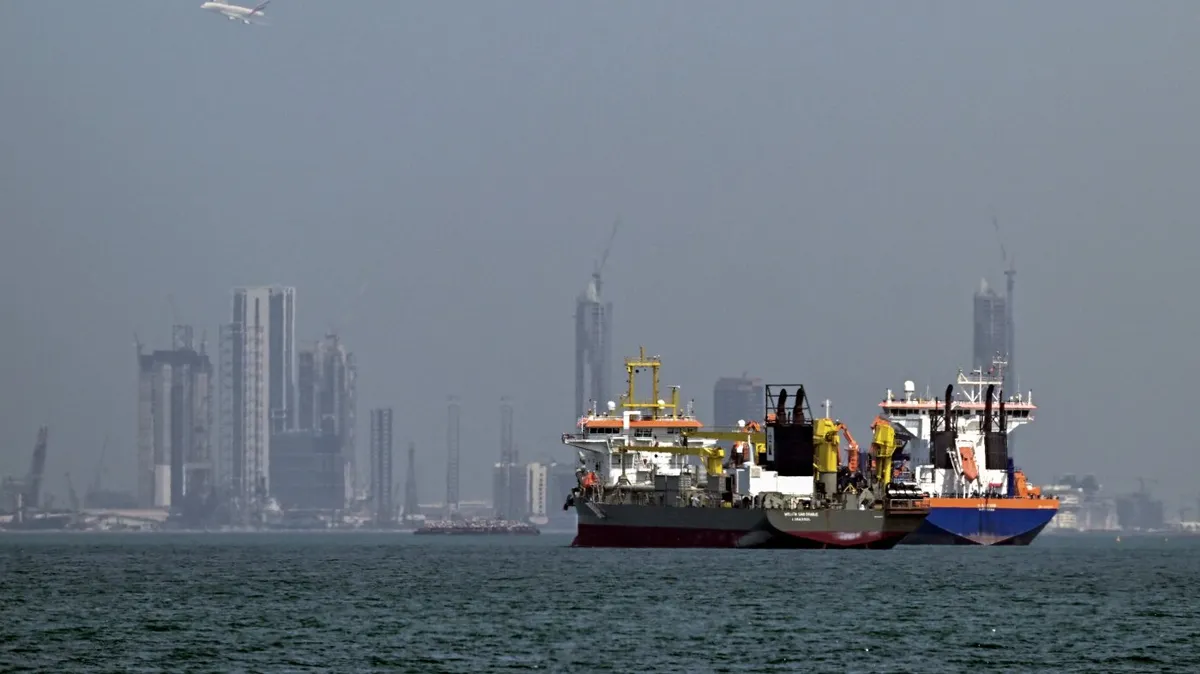
NATO countries are currently engaged in discussions regarding military support in the context of escalating tensions in the Middle East, particularly following recent U.S. and Israeli actions against Iran. The situation has intensified as President Trump has called for NATO allies to assist in reopening the strategically important Strait of Hormuz, a vital passage for global oil shipments.
As the situation unfolds, NATO is set to convene in Brussels to deliberate on these pressing issues. However, European countries have shown reluctance to send warships to the Strait, complicating the alliance’s collective response. Trump has expressed frustration, claiming that NATO allies have broadly rejected his appeal for assistance in securing the waterway, which is crucial for international trade.
In a recent statement, Trump remarked, “I always considered NATO, where we spend Hundreds of Billions of Dollars per year protecting these same Countries, to be a one way street.” This sentiment reflects the ongoing debate within NATO about burden-sharing and the expectations of member states in collective defense efforts.
Amid these geopolitical tensions, approximately 35 U.S. Army noncommissioned officers from 10 NATO countries participated in training exercises in Sembach, Germany. This training aimed to enhance the readiness and operational effectiveness of the U.S. Army in Europe, emphasizing the importance of NATO’s role in maintaining stability in the region.
Command Sgt. Maj. James E. Morris Jr. highlighted the significance of understanding NATO’s functions, stating, “One of the biggest things that we had a problem with when I walked in the door was people didn’t even know what the U.S. Army NATO does.” This underscores the need for better communication and awareness among NATO forces regarding their collective mission.
During the training, NCOs expressed the value of personal interaction, with Staff Sgt. Charles Reese noting, “For me personally, with all of us being so dispersed all over Europe, the social aspect to meet and greet, put faces to names, and have conversations is very important.” This highlights the human element of military cooperation, which is vital for effective collaboration in times of crisis.
As the situation in the Middle East continues to evolve, observers are closely monitoring NATO’s response and the potential implications for regional stability. With over 1 million people displaced in Lebanon and ongoing conflicts affecting millions, the stakes are high for NATO’s involvement in the region.
Details remain unconfirmed regarding the specific actions NATO may take in response to the current tensions. However, the alliance’s discussions in Brussels will likely shape its future role in addressing the challenges posed by Iran and its regional allies, including Hezbollah.