
What observers say
“We risk entering into a new chapter,” stated Mohamad Elmasry, reflecting the heightened tensions following a series of military actions between Iran and Israel. The situation escalated dramatically on March 23, 2026, when Israel and the United States launched a new wave of attacks against Iran, marking a significant turning point in the ongoing conflict.
In response to these attacks, Iran has vowed to retaliate, threatening to target power plants in Israel and other nations if its own power infrastructure is compromised. The Iranian military, particularly the Islamic Revolutionary Guard Corps (IRGC), has made it clear that they are prepared to act, declaring, “Do not doubt that we will do this.” This statement underscores the seriousness of Iran’s commitment to retaliatory measures.
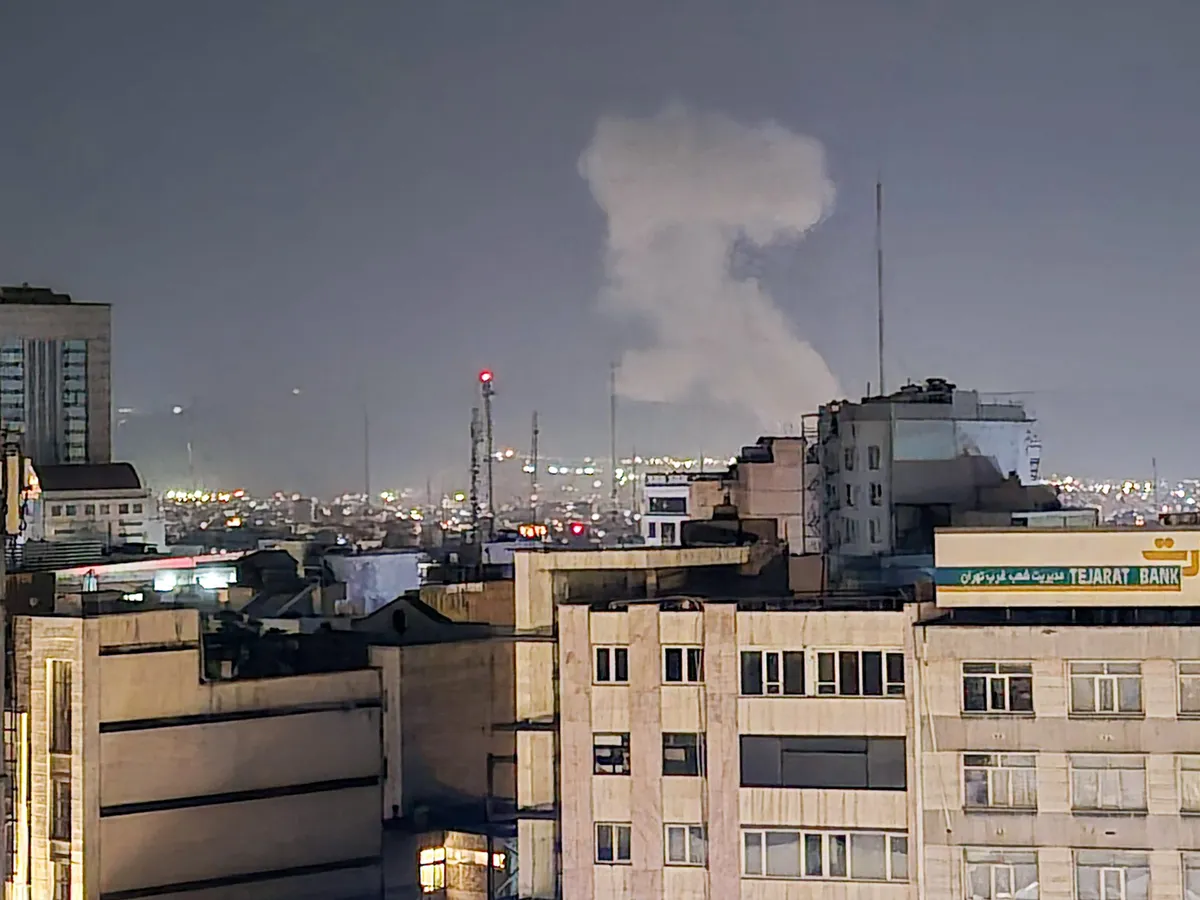
The Israeli military reported a wide-scale wave of strikes on infrastructure targets in Tehran, which has resulted in significant damage. More than 80,000 civilian building units have been hit in Iran, including critical facilities such as hospitals and schools. The humanitarian impact of these strikes is profound, with Iran’s death toll in the war surpassing 1,500, while 15 individuals have been reported killed in Israel due to Iranian attacks.
As the conflict intensifies, Iranian air defense systems were activated in response to US-Israeli drones over Tehran, indicating a readiness to engage in further military action. The situation remains fluid, with the potential for escalation looming large. The international community is closely monitoring the developments, particularly given the historical context of tensions between Iran and Israel.
Former US President Donald Trump remarked on the situation, stating, “Iran and the US had very good and productive conversations,” suggesting that diplomatic avenues may still be explored despite the current hostilities. However, the concern in Israel, as expressed by analyst Nida Ibrahim, is that the US might stop the war prematurely, which could alter the balance of power in the region.
Details remain unconfirmed regarding the exact number of casualties and damage in various cities, as both sides continue to engage in military actions. The ongoing conflict has raised alarms about the potential for a broader regional war, drawing in various actors, including Hezbollah and other allied groups.
As the situation develops, the international community is urged to pay close attention to the unfolding events. The potential for further escalation remains high, and the consequences of these military actions could have lasting impacts on regional stability.