
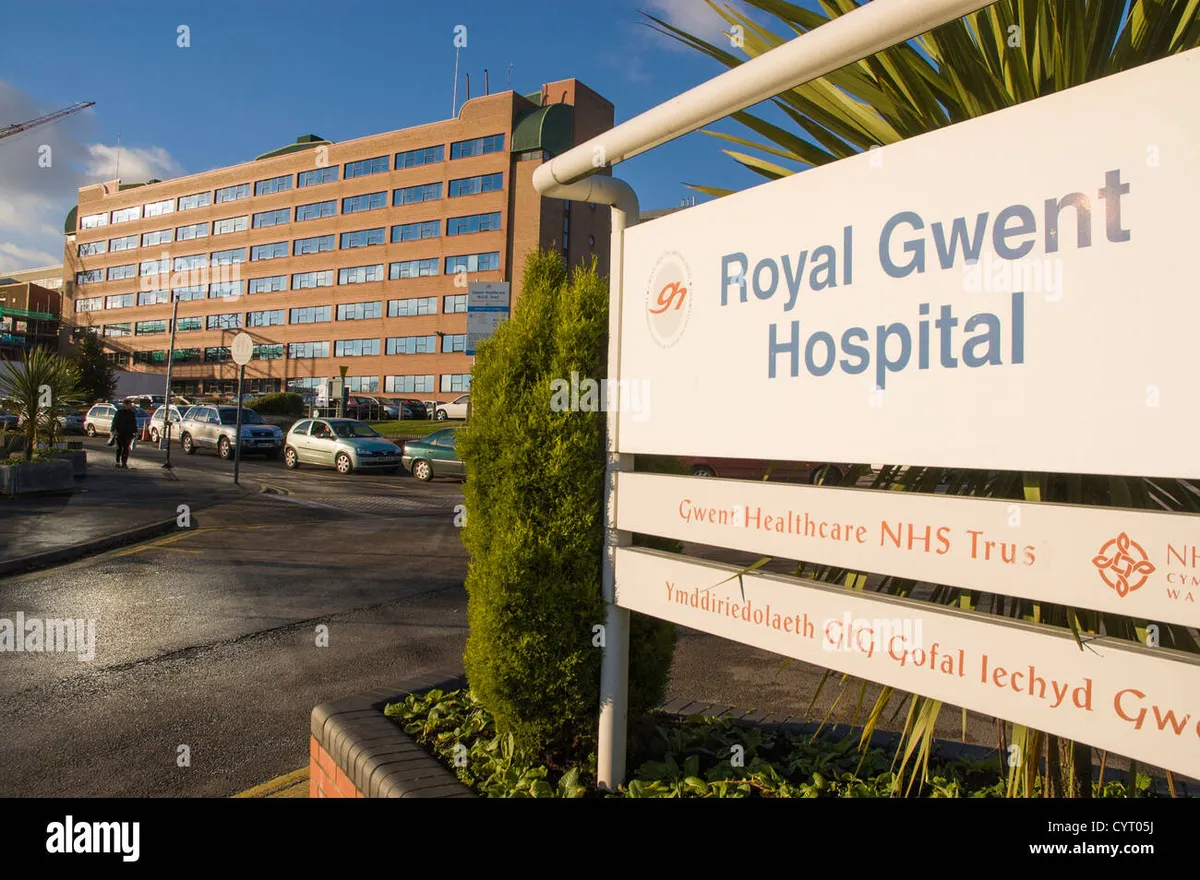
Prior to the recent incident at Royal Gwent Hospital, patients and the community had a general expectation of safety and high standards in medical procedures. The hospital, part of the Aneurin Bevan University Health Board, was trusted to provide quality care, with a focus on patient well-being.
However, on February 25-26, 2026, a significant lapse occurred when twenty-one patients were treated with unsterilised surgical instruments. This shocking revelation came to light through a whistleblower, leading to immediate concern among those affected.
Three weeks later, on March 16, patients were informed of the risks associated with the procedures. The instruments had been disinfected but not sterilised in an autoclave, raising alarms about potential health risks.
Among those affected was Ieuan Williams, a 15-year-old who expressed his fears about the situation, stating, “I was quite scared at first. I’m going to have to go back and forth to the hospital for six months. They keep saying how low the risk is but I want to know for sure.” This sentiment reflects the anxiety many patients are experiencing as they undergo testing for HIV and hepatitis.
The health board has publicly apologized for the distress caused, emphasizing that the likelihood of contracting a blood-borne virus is described as very low. Nonetheless, the incident has prompted calls for greater accountability.
Local representatives, including Laura Anne Jones, criticized the delay in informing patients, stating, “It’s scandalous that it’s taken three weeks for my constituents to be informed.” Meanwhile, Peter Fox demanded a full investigation, asserting that “an apology alone is not good enough. We need a full investigation into why this appalling incident occurred.”
The health board is currently conducting a full review of the incident, which is crucial for restoring trust in the healthcare system. Patients affected will undergo four rounds of testing over six months to ensure their health and safety.
This incident serves as a stark reminder of the importance of stringent protocols in healthcare settings. As the situation develops, the community is left to grapple with the implications of this oversight, and the need for transparency and accountability in medical practices remains paramount.
Details remain unconfirmed regarding the full extent of the investigation and any further actions that may be taken to prevent such incidents in the future.