
The wider picture
The taco is a typical dish of Mexico, celebrated in various forms across the country. Its significance goes beyond mere sustenance; it embodies the rich cultural heritage and culinary diversity of the nation. In Tijuana, a city known for its vibrant food scene, the taco holds a special place in the hearts of locals and visitors alike. This beloved dish is not only a staple of everyday life but also a symbol of pride for the region.
In a groundbreaking development, Tijuana’s Taco Museum opened its doors in April 2024, dedicated to honoring the taco and its ingredients. The museum features interactive spaces designed for family fun, allowing visitors to engage with the history and preparation of this iconic dish. Miguel Aguayo, the general manager of the museum, stated, “They made the museum to give recognition to one of the typical dishes of Mexico which is the taco.” This initiative reflects a growing appreciation for the taco’s cultural significance.
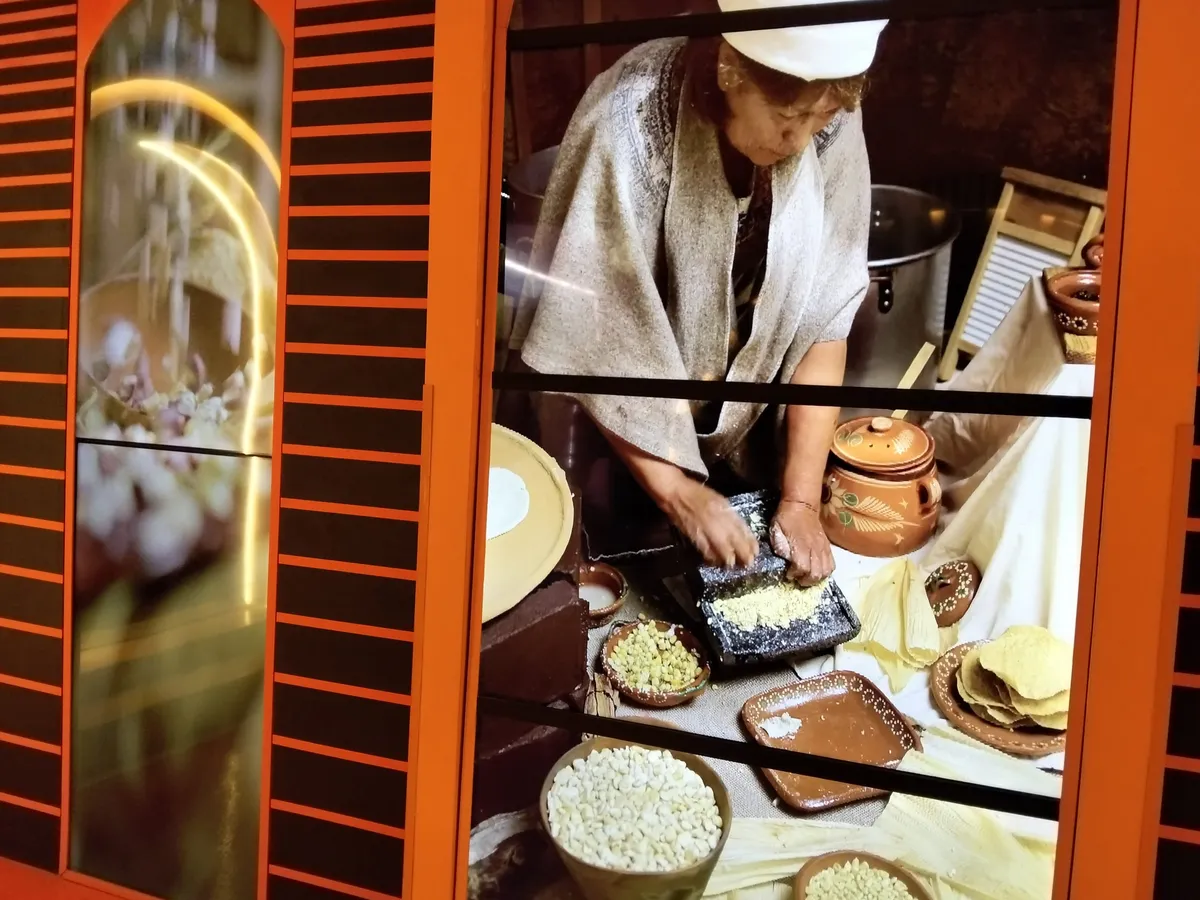
The Taco Museum includes a taqueria that serves popular varieties such as carne asada and adobada tacos. Guests can even make their own tortillas, providing a hands-on experience that connects them to the culinary traditions of Mexico. Aguayo emphasized, “What we try to do with the museum is give the story and honor the story of the taco in Mexico.” This sentiment resonates with many who view the taco as more than just food; it is a narrative of the people and their heritage.
Among the numerous taquerias in Tijuana, Tacos Aaron, established in 1981, has gained a loyal following. During a recent visit, Poblanos was ranked first among the city’s taquerias, showcasing the competitive spirit and quality of taco offerings in the area. The museum even includes a dedicated room celebrating Tijuana’s diverse taquerias, highlighting the city’s culinary landscape.
One of the museum’s standout features is a life-size cow named Rosaura, which serves as a playful nod to the ingredients that make tacos so delicious. The museum also has a venue for private parties, further integrating the taco into social and cultural gatherings. As Aguayo remarked about the adobada taco, “As it should be,” reflecting the pride that locals have in their culinary traditions.
In addition to celebrating local favorites, Aguayo hopes to feature different tacos from around the country, expanding the museum’s reach and influence. This ambition aligns with the growing trend of culinary tourism, where visitors seek authentic food experiences that connect them to the local culture. The Taco Museum stands as a testament to Tijuana’s commitment to preserving and promoting its culinary heritage.
As the museum continues to attract visitors, it is expected to play a crucial role in educating people about the taco’s significance in Mexican culture. Observers believe that the museum will not only enhance Tijuana’s reputation as a culinary destination but also inspire a new generation to appreciate the art of taco-making. The future looks bright for the taco, as it remains a beloved dish that brings people together, transcending borders and cultures.