
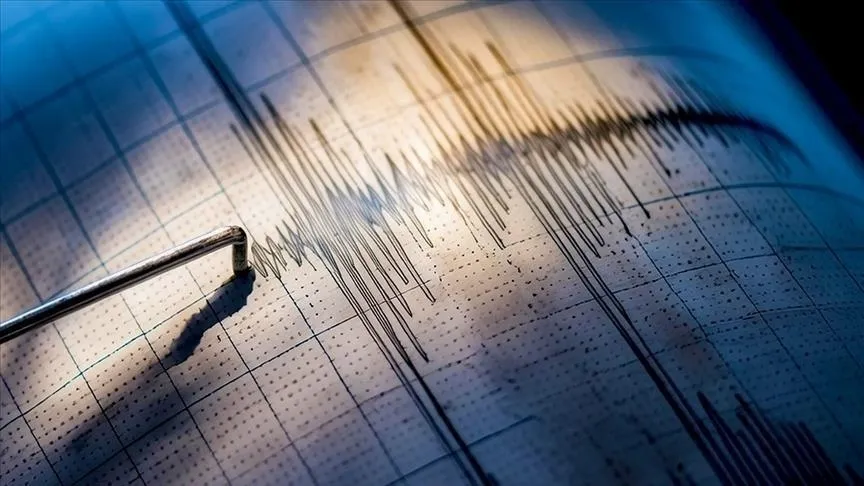
On Tuesday, a strong preliminary magnitude 7.6 earthquake struck near Tonga in the South Pacific Ocean. The earthquake occurred at a depth of about 237 km (148 miles), centered at sea, approximately 153 km (95 miles) west of Neiafu, Tonga’s second-largest town.
In the immediate aftermath, there were no reports of damage, which is a relief considering the strength of the quake. However, Tonga’s National Disaster Risk Management Office took precautionary measures by warning residents to move to higher ground or inland.
Residents were advised to avoid beaches, shorelines, and low-lying coastal areas until an all-clear was given. Fortunately, the United States Geological Survey (USGS) did not issue a tsunami warning for the region, which further alleviated concerns.
Tonga, an archipelago in Polynesia, consists of 171 islands and has a population of just over 100,000 people. The island nation is situated on the Pacific Ring of Fire, an area known for its significant earthquake and volcanic activity.
This recent earthquake follows a tragic incident in 2022 when a tsunami triggered by a volcanic eruption resulted in the loss of three lives. The memory of that disaster likely heightened the urgency of safety measures this time around.
According to a staff member at the Tanoa International Dateline Hotel, “The whole building shaked. No further damage. Everything was ok.” This statement reflects the overall sentiment of safety that many residents experienced following the quake.
As of now, the situation appears stable, with no immediate threats reported. However, the sequence of events serves as a reminder of the geological volatility of the region and the importance of preparedness for natural disasters.
For those living in or near Tonga, the earthquake underscores the need for vigilance and readiness in the face of potential seismic activity. The community’s response and resilience will be crucial in navigating any future challenges posed by natural disasters.