
Kermit Gosnell, the former abortion doctor whose practices drew national outrage, died in prison on March 1, 2026, at the age of 85. His death marks the end of a controversial chapter in American medical and legal history.
Gosnell was serving multiple life sentences after being convicted in 2013 of 237 crimes, including three counts of first-degree murder. His clinic in Philadelphia, infamously dubbed the ‘house of horrors,’ was the site of illegal late-term abortions where he delivered babies alive and subsequently killed them by snipping their spinal cords.
The immediate circumstances surrounding his death remain unclear, with details about his medical condition prior to being taken to the hospital not disclosed. Details remain unconfirmed.
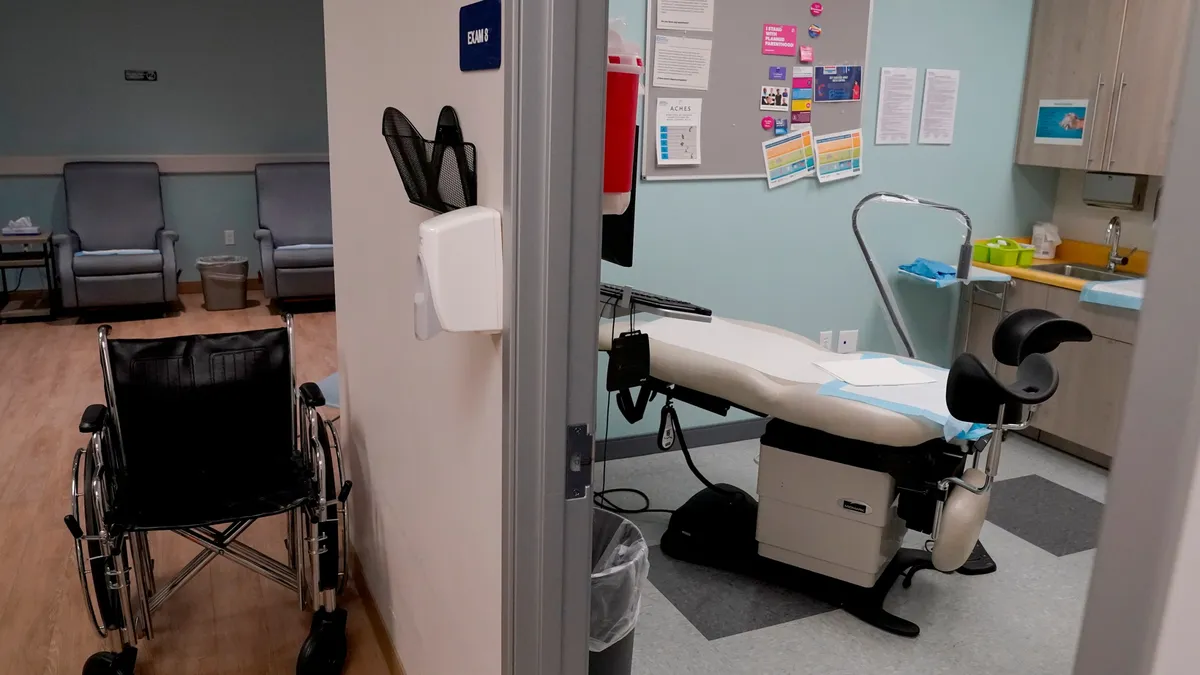
Gosnell’s case gained notoriety during a 2010 investigation into prescription drug trafficking, which revealed the appalling conditions of his clinic. It was described as foul-smelling, littered with bags and bottles containing fetal remains.
At the time of his conviction, Gosnell was 72 years old, and his defense argued that none of the fetuses he was accused of killing were born alive, a claim that was met with widespread skepticism.
His practices not only highlighted the dark side of illegal abortions but also drew attention to the growing epidemic of prescription drug abuse. U.S. Attorney Zane David Memeger remarked on the issue, stating, “Prescription drug abuse is a growing epidemic, made worse by unscrupulous doctors and other professionals who use their licenses to distribute dangerous drugs to addicts and those who have no actual medical need for the drugs.”
FBI Special Agent-in-Charge Edward J. Hanko added, “Doctors who deal powerful drugs to vulnerable people are violating their own oath – and our country’s laws.” These statements reflect the broader implications of Gosnell’s actions beyond just the realm of abortion.
Gosnell’s clinic operated under the radar for years, with the last routine inspections of abortion clinics in Pennsylvania occurring 15 years prior to his arrest. This lack of oversight contributed to the horrific conditions that were eventually uncovered.
As news of his death spreads, reactions from various sectors are expected, particularly from those who advocate for women’s health rights and those opposed to illegal abortion practices. The legacy of Kermit Gosnell continues to evoke strong emotions and discussions about medical ethics, legal accountability, and patient safety.