
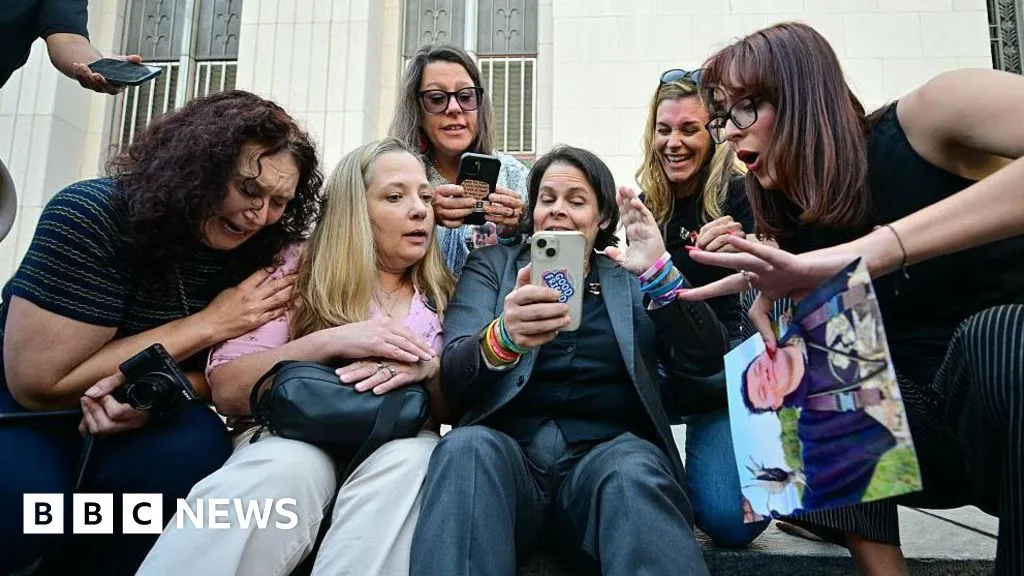
A jury in Los Angeles, California, has found Meta and YouTube liable for negligence in a high-profile social media addiction trial, awarding $6 million in damages to the plaintiff, identified as Kaley. The verdict, delivered on March 25, 2026, comes after a month-long trial that included testimony from addiction experts and executives, including Meta’s CEO Mark Zuckerberg.
The jury awarded $3 million in compensatory damages and an additional $3 million in punitive damages. Meta was deemed responsible for 70% of the total damages, while YouTube was held accountable for the remaining 30%. Kaley, who began using social media at the age of six, reported experiencing significant depression and anxiety linked to her use of these platforms.
This trial is seen as a bellwether case that could influence thousands of similar lawsuits against social media companies. Notably, TikTok and Snap were also named as defendants but settled before the trial commenced. The implications of this verdict could reshape the landscape of accountability for social media platforms regarding their impact on youth mental health.
After the verdict, a spokesperson for Google, which owns YouTube, stated, “We disagree with the verdict and plan to appeal. This case misunderstands YouTube, which is a responsibly built streaming platform, not a social media site.” Meanwhile, a Meta spokesperson remarked, “Teen mental health is profoundly complex and cannot be linked to a single app. We will continue to defend ourselves vigorously as every case is different, and we remain confident in our record of protecting teens online.”
Joseph VanZandt, co-lead lawyer for the plaintiff, emphasized the significance of the verdict, stating, “For years, social media companies have profited from targeting children while concealing their addictive and dangerous design features. Today’s verdict is a referendum — from a jury, to an entire industry — that accountability has arrived.”
Juror Victoria added, “We wanted them to feel it. We wanted them to realize this was unacceptable.” The trial lasted over 44 hours of jury deliberation, reflecting the complexity and seriousness of the issues at hand.
The case highlights a growing trend of lawsuits against social media companies regarding their impact on youth mental health, raising questions about the responsibilities these platforms hold in protecting their young users. As the legal battles continue, the outcome of this trial may set a precedent for future cases, potentially leading to stricter regulations and accountability measures for social media companies.