
What the data shows
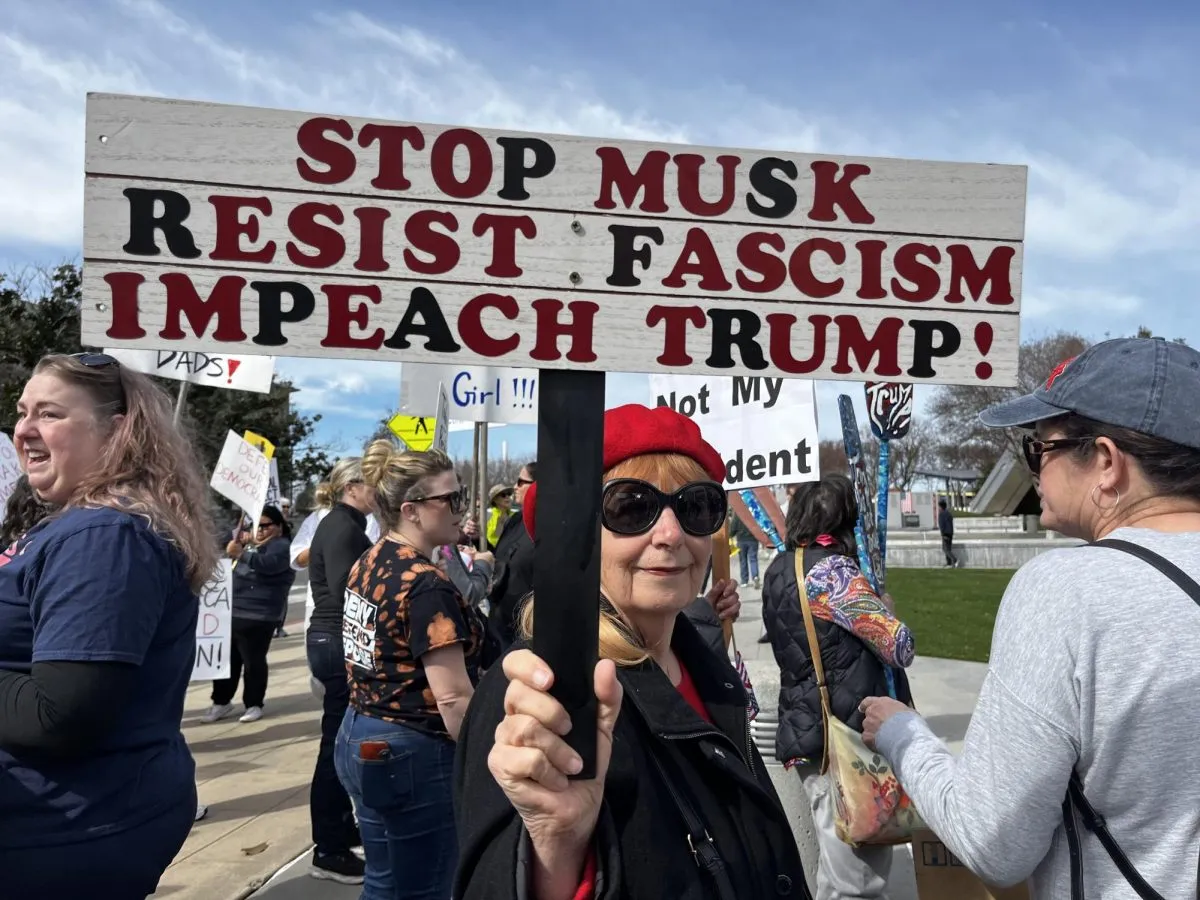
The upcoming No Kings protests raise a critical question: What does this movement signify for American democracy? The answer lies in the collective response to perceived authoritarianism and corruption under President Donald Trump. On March 28, 2026, thousands of nonviolent demonstrations are planned across the United States, marking a national day of action that aims to unite citizens against what many view as an erosion of democratic values.
The No Kings movement, which first gained traction in late January 2025 on Reddit, has since evolved into a significant grassroots initiative. It represents a coalition of various groups, including Indivisible Sonoma County, which is organizing protests in the Sonoma and Napa counties of California. Previous protests held on June 14 and October 18, 2025, drew substantial crowds, with the October event in Santa Rosa attracting around 10,000 participants. This time, organizers anticipate that the Santa Rosa event alone will draw about 15,000 participants, reflecting the growing momentum of the movement.
According to estimates, the No Kings Day of Nonviolent Action could become the largest single-day mobilization in U.S. history, with over 320 events confirmed across California alone. Cumulatively, the movement has already seen 12 million participants in 2025, indicating a robust and sustained engagement from citizens disillusioned with the current administration.
Activists like Roxanne Goodfellow emphasize the spirit of the movement, stating, “Joy is resistance.” This sentiment resonates deeply within the community, as individuals come together to express their dissent and advocate for democratic principles. Ezra Levin, a prominent figure in the movement, articulated the urgency of the protests by stating, “With every ICE raid, every escalation abroad, and every abuse of power at home, Americans are rising up in opposition to Trump’s attempt to rule through fear and force.” This highlights the broader context of the protests, which are not merely about one individual but a response to systemic issues affecting many Americans.
The No Kings protests are not just a reaction to current events; they are a culmination of ongoing frustrations with the Trump administration’s policies and actions. The movement has gained traction as a response to what many perceive as authoritarian tactics, including aggressive immigration policies and a disregard for civil liberties. As the protests approach, the coalition behind the movement plans to pivot towards local legislative advocacy and voter protection initiatives, especially as the 2026 midterm elections loom on the horizon.
While the protests are expected to be peaceful, the potential for significant political impact is evident. The No Kings movement aims to galvanize voters and encourage civic engagement, particularly among those who may feel disenfranchised. The outcomes of these protests could influence local and national political landscapes, as the coalition seeks to hold elected officials accountable and push for reforms that align with democratic values.
Details remain unconfirmed regarding the specific logistics of each protest, but the enthusiasm and commitment of participants are clear. As the date approaches, the movement’s leaders are focused on ensuring that the protests are safe, inclusive, and impactful, aiming to send a strong message to policymakers about the need for accountability and integrity in governance.
In summary, the No Kings protests scheduled for March 28, 2026, are poised to be a significant moment in American political activism. With a focus on nonviolent action and community engagement, the movement seeks to challenge the status quo and advocate for a return to democratic principles. As citizens prepare to take to the streets, the implications of their actions could resonate far beyond the day of the protests, shaping the future of political discourse in the United States.