
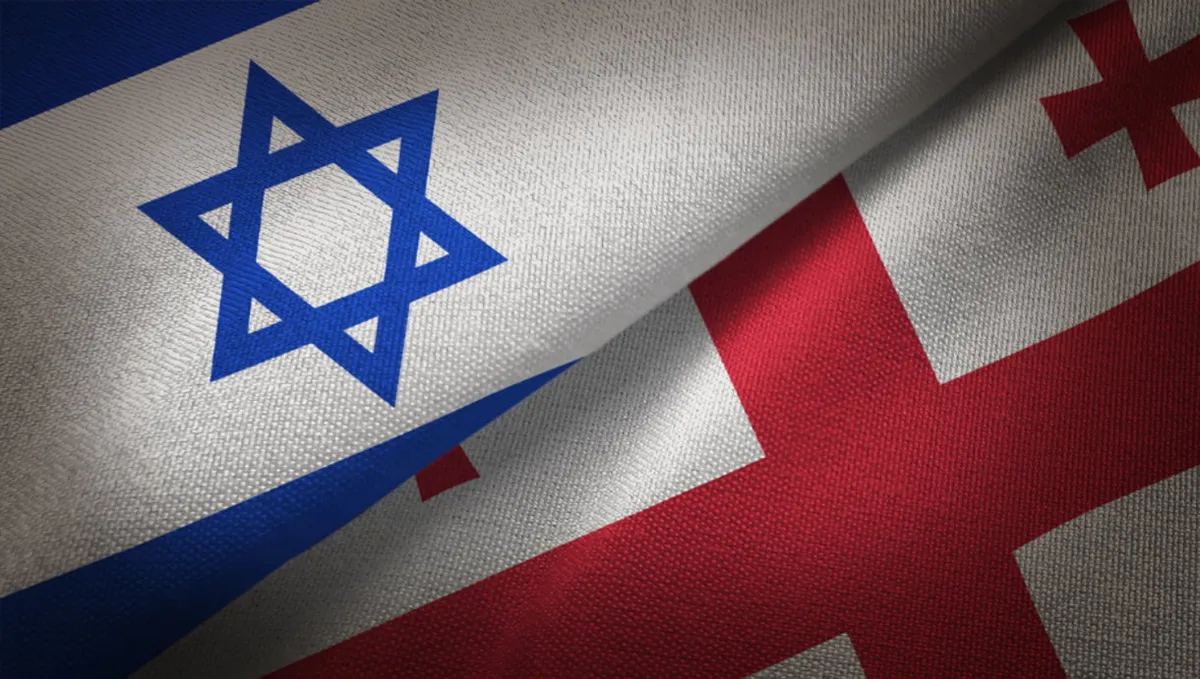
Who is involved
The ongoing conflict with Iran has significantly altered the landscape for Israelis abroad, particularly as the Passover holiday approaches. Historically, this period has been marked by gatherings of Israelis and Jewish communities worldwide, creating potential targets for terrorist attacks. Recent advisories from Israel’s National Security Council (NSC) highlight an increased risk, urging citizens to avoid public Passover events and remain vigilant.
Before this development, there was a general expectation that the Passover celebrations would proceed as usual, with many Israelis traveling abroad to partake in communal festivities. However, the NSC’s recent warnings have shifted this perception dramatically. They cited recent attacks in Belgium and the Netherlands as evidence of a heightened threat level against Jewish communities, particularly in Europe.
The decisive moment came when the NSC issued specific guidelines for Israelis abroad. They recommended avoiding unsecured events or locations associated with Israel or Jewish life, emphasizing the need for heightened awareness of one’s surroundings. This shift in guidance reflects a broader concern about the implications of the ongoing war with Iran, which has been described by historian Arash Azizi as fundamentally about the survival of the Islamic Republic.
The direct effects of these developments are profound. Israelis abroad are now faced with the dilemma of balancing their cultural and religious practices with the need for personal safety. The NSC’s recommendations, which include avoiding posting real-time location information on social media, underscore the urgency of the situation. The Passover holiday, traditionally a time of celebration, is now overshadowed by concerns over potential terrorist threats.
Experts like Azizi argue that the ambiguity in defining victory in the context of the conflict with Iran prolongs the crisis. While Iran’s military capabilities have been significantly degraded, the regime has managed to survive, perpetuating a cycle of tension and violence. This ongoing instability contributes to the heightened risks faced by Jewish communities globally, particularly during significant cultural events.
As the situation evolves, the NSC continues to monitor threats and provide updates to Israelis abroad. The emphasis on vigilance and caution reflects a broader understanding of the geopolitical landscape, where the implications of the conflict with Iran extend far beyond its borders. The current war has not only reshaped the security environment for Israelis but has also highlighted the vulnerabilities faced by Jewish communities worldwide.
In summary, the intersection of the Georgia vs Israel context with the ongoing conflict with Iran has created a complex and precarious situation for Israelis abroad. The NSC’s advisories serve as a stark reminder of the challenges posed by rising terrorism threats, particularly during significant cultural observances like Passover. As the situation develops, the need for awareness and precaution remains paramount for those celebrating abroad.