
The ongoing Department of Homeland Security (DHS) shutdown has reached a critical point, with President Trump signing a memo to ensure TSA employees receive their paychecks as early as Monday. This comes after the House passed a stop-gap bill to fund the DHS through May 22, garnering 213 votes in favor and 203 against.
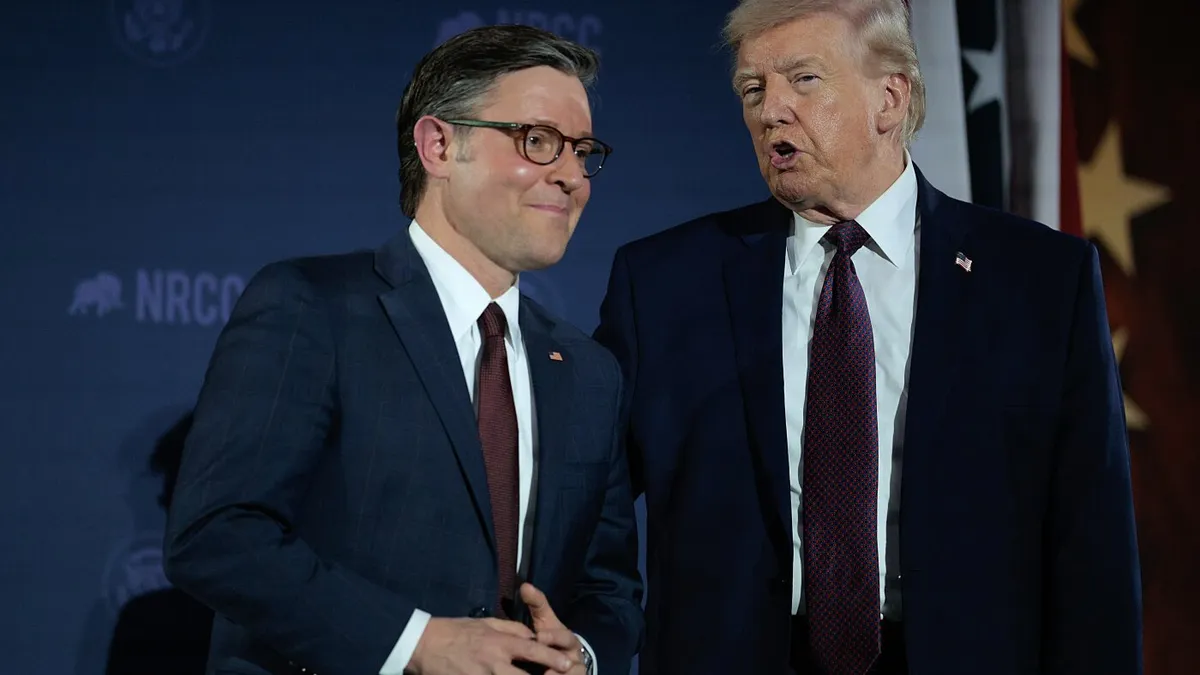
However, the Senate’s funding bill, which excluded Immigration and Customs Enforcement (ICE) and Border Patrol, has been rejected by House Speaker Mike Johnson, who called the Senate’s approach a “joke.” Meanwhile, the TSA has been grappling with severe operational challenges, including a staggering 40 percent absenteeism rate among workers at some airports.
As of March 27, 2026, the DHS shutdown has lasted 44 days, resulting in over 480 TSA officers quitting their jobs due to the ongoing uncertainty. This has led to significant delays and long waits for travelers at airports nationwide, with reports indicating that 11.8 percent of TSA employees missed work on a recent Thursday.
Trump emphasized the urgency of the situation, stating, “America’s air travel system has reached its breaking point.” The funding crisis has sparked a heated debate in Congress, with Senate Minority Leader Chuck Schumer asserting that Democrats will not support additional funding for what he termed Trump’s “rogue and deadly militia” without significant reforms.
Despite the memo signed by Trump, uncertainties loom over the legality of the action and the source of funds for TSA employee payments. Observers are left questioning how the situation will unfold, particularly regarding the long-term implications for TSA operations and airport security.
As the situation develops, it remains crucial for Congress to address the funding needs of the TSA to restore normalcy in airport operations and ensure the safety of air travel for all Americans.