
How it unfolded
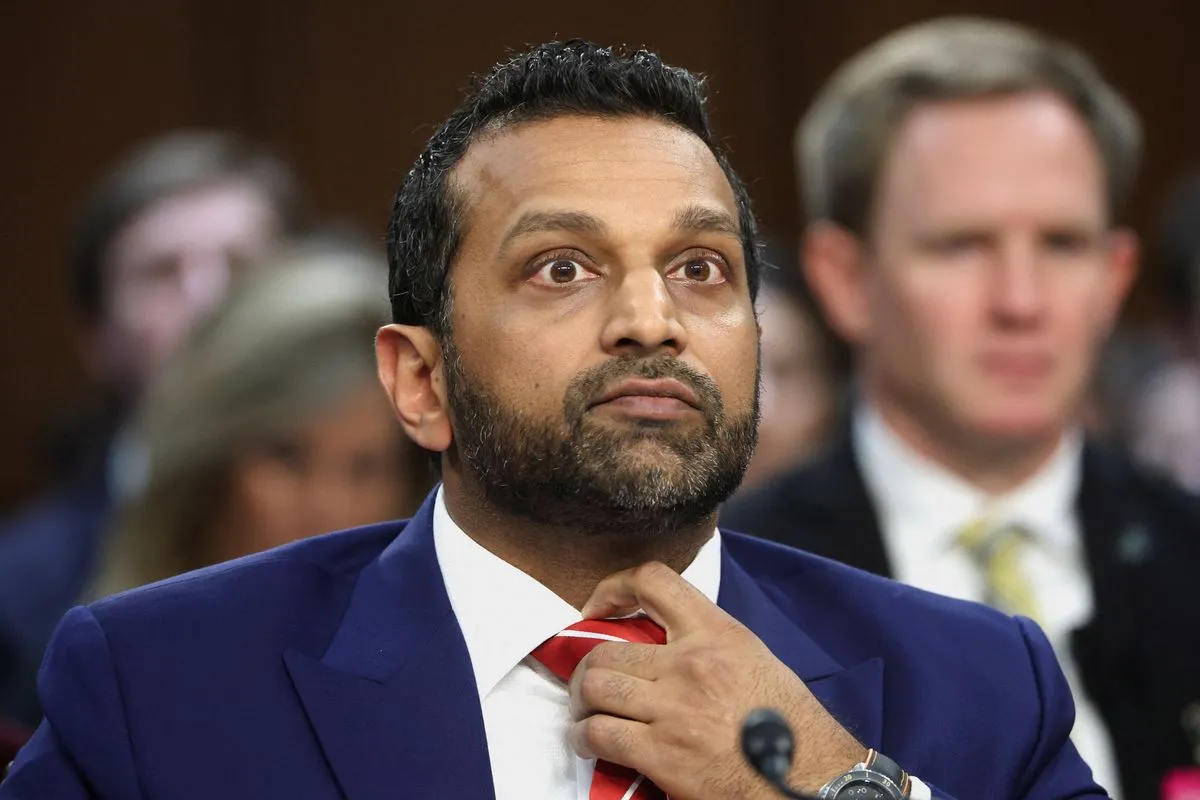
On March 27, 2026, the cybersecurity landscape was shaken by a significant breach involving FBI Director Kash Patel. The incident was attributed to the Handala Hack Team, a pro-Iranian hacking group that claimed to have accessed Patel’s personal email account. This breach was not merely a technical intrusion; it was a calculated move that the hackers described as retaliation for a missile strike in Iran that reportedly killed 168 children.
The breach was confirmed by the FBI, which stated that while Patel’s personal information was compromised, no sensitive government data was accessed. The hackers published materials from Patel’s account, including personal, business, and travel correspondence, dating back to 2011. This timeline suggests that the hackers had been monitoring Patel’s communications over an extended period, raising questions about the security of personal data for high-profile officials.
In a statement, the FBI emphasized that this incident was not a compromise of their systems but rather a breach of an individual’s personal email, with spokesperson Ron Fabela describing it as “someone’s personal junk drawer.” This characterization highlights the distinction between personal and governmental cybersecurity, although it does not diminish the potential risks associated with such breaches.
Details remain unconfirmed regarding the exact timing of the hack, but it is known that Patel had previously been targeted by Iranian-backed hackers. In late 2024, he was informed of an attempt to access his private information, indicating a persistent threat from foreign actors. The Justice Department has linked the Handala Hack Team to Iran’s Ministry of Intelligence and Security, underscoring the geopolitical implications of this breach.
The FBI’s response included a $10 million reward for information leading to the identification of the Handala Hack Team, reflecting the seriousness with which they are treating this incident. The agency has also taken necessary steps to mitigate potential risks associated with the breach, ensuring that Patel’s personal and professional communications are safeguarded moving forward.
This incident is part of a broader trend where foreign hackers target incoming officials, particularly those associated with the Trump administration. The breach of Patel’s email serves as a stark reminder of the vulnerabilities that public figures face in the digital age, where personal information can be weaponized for political purposes.
As the investigation continues, the implications of this breach extend beyond Patel himself. It raises critical questions about the security of personal data for government officials and the potential for foreign interference in domestic affairs. The ongoing threat posed by groups like the Handala Hack Team highlights the need for robust cybersecurity measures and awareness among those in positions of power.