
“Looking at some of the timelines and all, when you see on there ‘go for translunar injection,’ those are words that we haven’t heard since 1972,” said Don Platt, reflecting on the significance of the upcoming Artemis II mission.
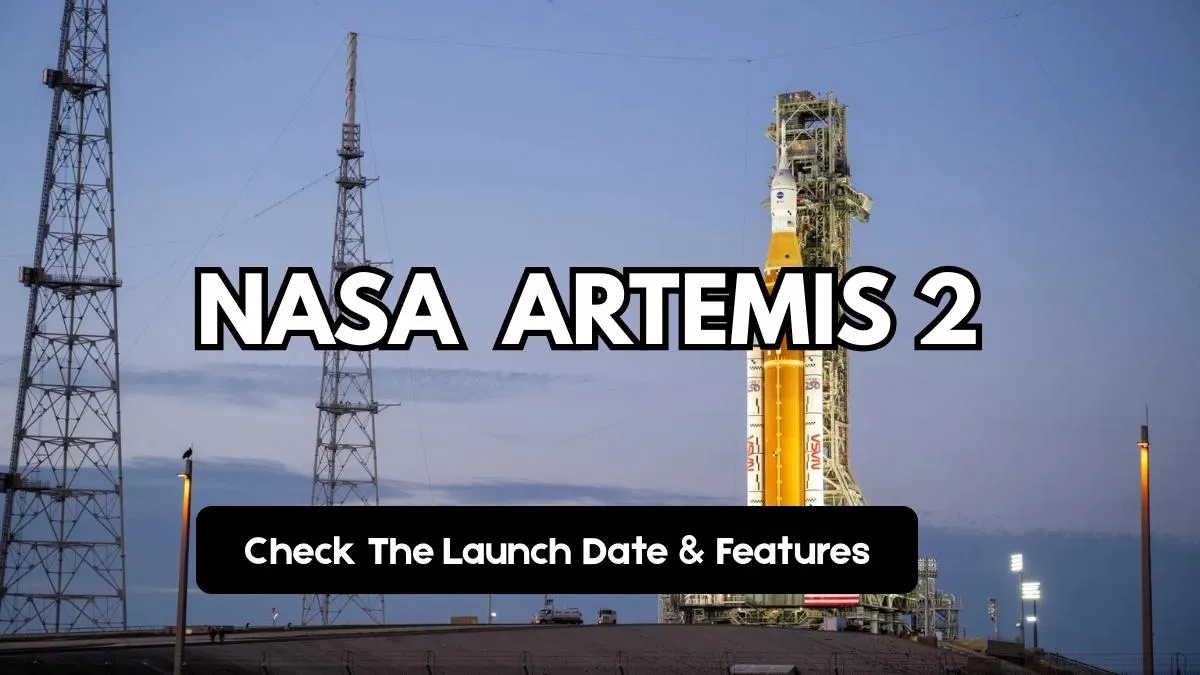
NASA has announced that Artemis II is scheduled to launch on April 1, 2026, with the launch window opening at 6:24 p.m. EDT. This mission will mark a pivotal moment in the Artemis Program, which aims to return humans to the moon and establish a sustained lunar presence.
The Artemis II mission will send four astronauts—Reid Wiseman, Victor Glover, Christina Hammock Koch, and Jeremy Hansen—on a 10-day journey around the moon, reaching a distance of 250,000 miles from Earth. However, it is important to note that this mission will not involve a lunar landing.
As the crew prepares for their historic journey, Koch emphasized the mission’s broader purpose, stating, “We seek to go for all and by all, because if we are not doing that, we’re not truly answering humanity’s call to explore.” This sentiment underscores NASA’s commitment to inclusivity in space exploration.
At liftoff, the rocket will generate an impressive 8.8 million pounds of thrust, propelling the astronauts into space approximately eight minutes after launch. This mission serves as a critical test of new hardware and systems, paving the way for future lunar landings.
Wiseman noted the historical significance of the mission, saying, “We’re going 250,000 miles from planet Earth, and it just so coincidentally happens to be the 250th anniversary of the United States of America.” This timing adds an extra layer of meaning to the mission.
As preparations continue, Platt acknowledged the inherent uncertainties, stating, “There’s always concern about something that may pop up.” Such remarks highlight the complexities involved in space missions.
With the Artemis II launch date set, NASA is poised to take another significant step toward its goal of returning humans to the lunar surface, building on the legacy of past missions and inspiring future generations of explorers.