
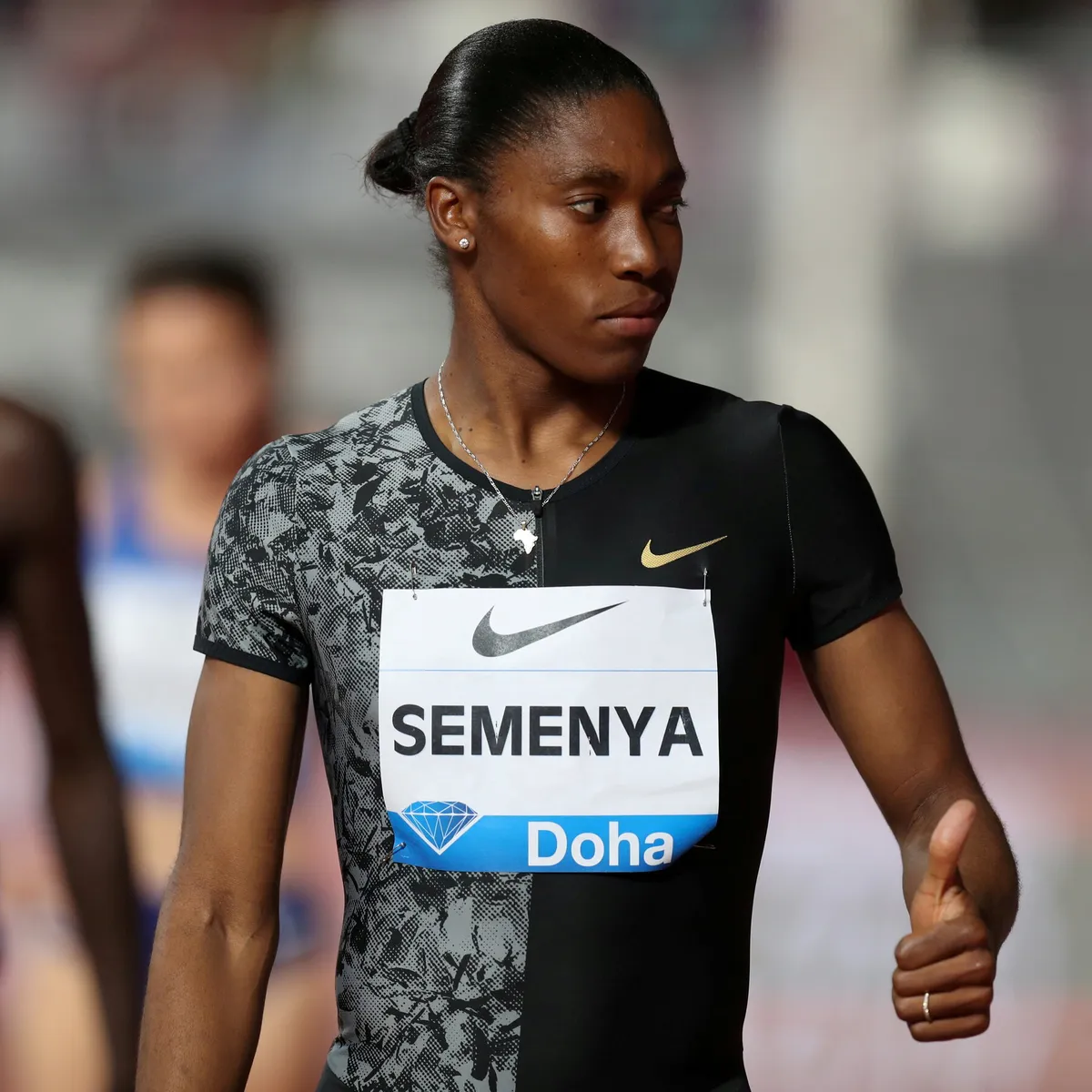
Caster Semenya, a two-time Olympic 800m champion from South Africa, has long been at the center of a contentious debate regarding gender eligibility in athletics. Until recently, the International Olympic Committee (IOC) had abandoned sex verification tests, a policy that had been in place from 1968 until 1999 due to pressure from the scientific community. This historical context set an expectation that athletes would compete based on their performance rather than their biological characteristics.
However, a significant shift occurred when the IOC announced a new policy reinstating sex verification tests for the 2028 Los Angeles Games. This policy limits eligibility for female events to biological females, specifically based on SRY gene screening. The decision has drawn sharp criticism from Semenya, who has been banned from competing in her favorite race since 2019 due to hormone level regulations.
The immediate effects of this policy are profound, particularly for Semenya and other athletes with differences in sex development (DSD). Semenya has been a vocal critic of the IOC’s policies, labeling them as “a disrespect for women” and expressing disappointment with Kirsty Coventry’s leadership. She stated, “If the IOC had truly listened — if [IOC] President [Kirsty] Coventry had done what evidence-based policy demands — this policy would not exist.”
Furthermore, the IOC’s decision aligns with broader political trends, echoing the Trump administration’s policy goals regarding transgender athletes. This has raised concerns about the implications for inclusivity in sports, particularly for transgender women, as evidenced by the fact that no transgender women competed at the 2024 Paris Summer Games.
Semenya’s ongoing legal challenges against eligibility rules in athletics highlight the struggles faced by many athletes navigating these complex regulations. She has articulated the harm that such policies inflict, particularly on women from the global south, stating, “For me personally, for her being a woman coming from Africa, knowing how African women or women in the global south are affected by that, of course, it causes harm.”
As the sports community grapples with these changes, the reinstatement of sex verification tests has reignited debates about fairness, inclusion, and the future of women’s sports. Semenya’s case exemplifies the broader challenges faced by athletes who do not fit traditional definitions of gender, raising critical questions about the nature of competition and equality in athletics.
Details remain unconfirmed regarding how these new regulations will be implemented and their long-term impact on the sports landscape. The IOC’s 10-page document outlining the new policy has sparked discussions that will likely continue as the 2028 Games approach.