
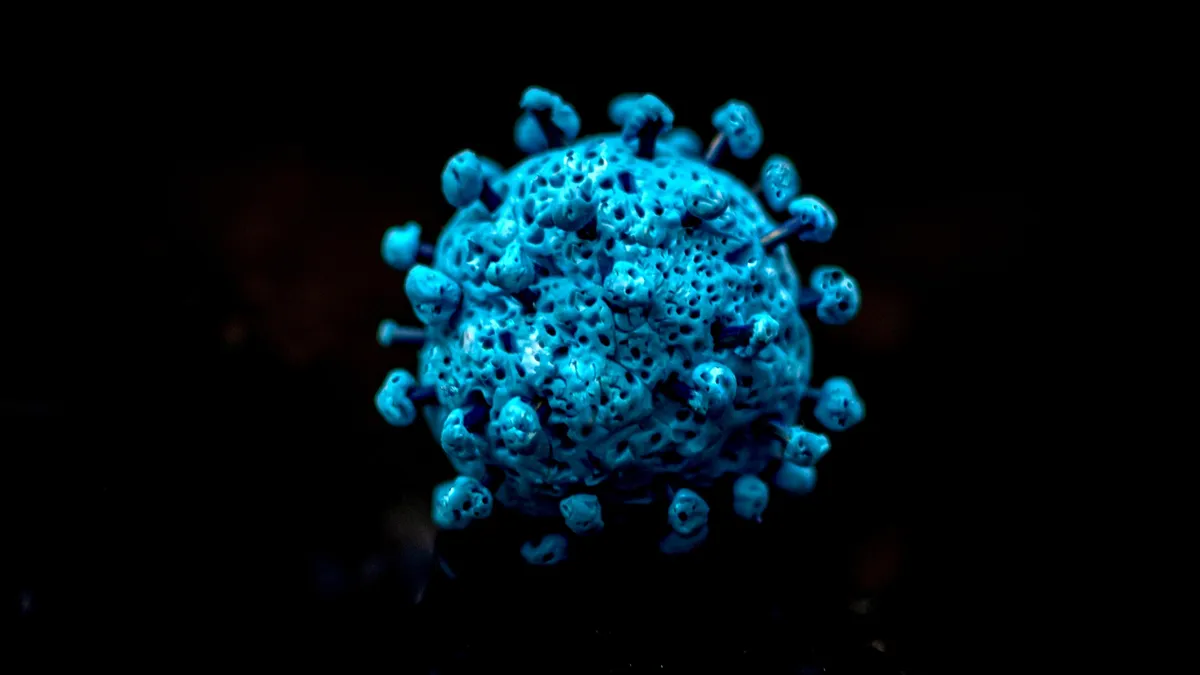
The emergence of the Cicada COVID variant BA.3.2 raises a critical question: how does this highly mutated variant impact our current understanding of immunity and public health? The answer is concerning but not entirely bleak. BA.3.2, first identified in November 2024 in South Africa, is characterized by its ability to potentially evade immunity from both vaccines and previous infections.
As of February 11, 2026, BA.3.2 has been detected in at least 25 states across the United States, indicating its widespread presence. This variant possesses an alarming 70 to 75 mutations in its spike protein, which may alter how it interacts with the immune system, making it appear different to our body’s defenses. Andrew Pekosz, a virologist, noted, “It has a lot of mutations that may cause it to look different to your immune system.” This raises concerns about the variant’s ability to spread and infect individuals who have been vaccinated or previously infected.
What the data shows
The variant was first detected in the U.S. in June 2025, in a traveler returning from the Netherlands. Since then, it has been linked to a growing number of cases, with some Eastern European countries attributing approximately 30% of their COVID-19 infections to BA.3.2 as of February 2026. Furthermore, it has been identified in 132 sites through wastewater samples, suggesting a broader community transmission.
Despite these mutations, health experts have indicated that BA.3.2 is not causing more severe disease or hospitalizations compared to previous variants. Dr. Robert H. Hopkins Jr. stated, “I have not seen any data which indicates that Cicada is any more severe than other circulating variants.” This is a crucial point for public health, as it suggests that while BA.3.2 may be more transmissible, it does not necessarily lead to worse health outcomes.
Vaccination remains a key tool in combating the spread of BA.3.2. Experts believe that vaccines are still effective in providing protection against severe disease caused by this variant. Schaffner, a prominent health expert, emphasized, “The function of the vaccine is to keep us out of the hospital.” This underscores the importance of maintaining high vaccination rates to mitigate the impact of emerging variants.
However, the exact reasons for the resurgence of BA.3.2 remain unclear, and details remain unconfirmed. The long-term impact of this variant on COVID-19 infection rates is still uncertain, prompting ongoing surveillance and research by health authorities such as the CDC and WHO.
As the situation evolves, public health officials continue to monitor the spread of BA.3.2 closely. The variant’s emergence serves as a reminder of the ongoing challenges posed by COVID-19 and the need for vigilance in vaccination and public health measures. Understanding the dynamics of variants like BA.3.2 is crucial for effectively managing the pandemic and protecting public health.