
How it unfolded
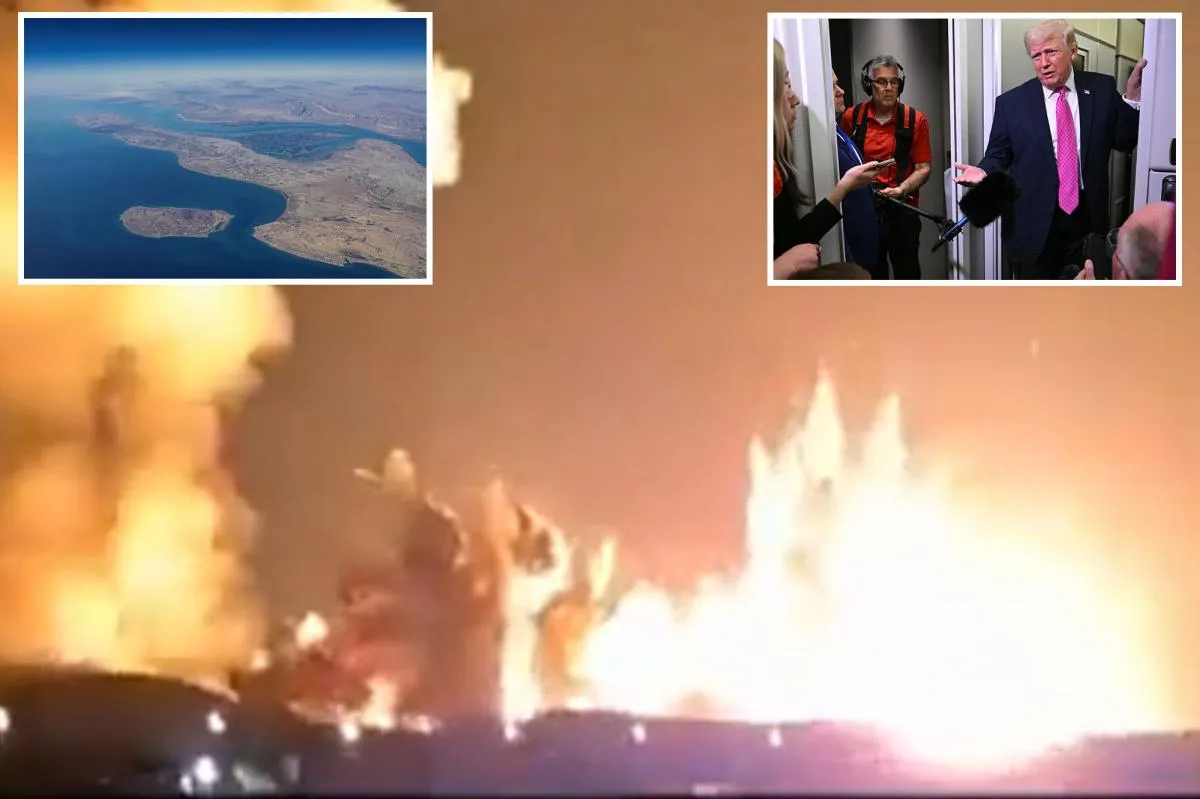
As of March 31, 2026, the geopolitical landscape surrounding Iran has become increasingly volatile. The situation escalated significantly when Iran closed the Strait of Hormuz, a critical maritime route for oil shipments, for 31 days. This closure has had profound implications for global oil markets and regional security.
In response to these developments, U.S. President Donald Trump has expressed a strong belief that the ongoing conflict with Iran is likely to conclude soon. However, he has also issued a stern ultimatum to Iran, setting an April 6 deadline for the country to reopen the strait or face potential U.S. airstrikes. Trump’s rhetoric has been aggressive, stating, “We’re obliterating the s–t out of them right now,” indicating the seriousness with which the U.S. is treating the situation.
The conflict has not only affected diplomatic relations but has also led to military engagements. Reports indicate that the U.S. has targeted military positions on Kharg Island, a strategic location for Iran’s oil exports. In retaliation, Iran has struck a key water and electrical plant in Kuwait, further escalating tensions in the region.
Amid these hostilities, the humanitarian toll has been significant. Approximately 1,900 people have been reported killed in Iran during the conflict, alongside 1,200 fatalities in Lebanon and 19 in Israel. These numbers highlight the severe impact of the ongoing war, which has also seen a 60% increase in Brent crude oil prices since its inception, reaching $115 per barrel.
Iran’s Foreign Minister, Abbas Araghchi, has clarified that communications with the U.S. should not be misconstrued as negotiations. He stated, “What’s happening now is not negotiations, but rather an exchange of messages either directly or via our friends in the region.” This statement underscores the complexities of the diplomatic landscape, where direct negotiations seem unlikely amidst ongoing military actions.
Iran has laid out its conditions for ending the war, which include guarantees against future attacks and reparations for damages incurred during the conflict. Noura Al Kaabi, a spokesperson for the Iranian government, emphasized the need for assurance, stating, “We want a guarantee that this will never happen again.” This demand reflects Iran’s desire for security and stability in the face of external threats.
As the deadline set by Trump approaches, the international community watches closely. The U.S. has indicated that failure to comply with the deadline could lead to severe consequences for Iran, including widespread destruction of its energy resources. The situation remains critical, with diplomatic efforts seemingly stalled and military actions continuing to escalate.
In summary, the current state of affairs in Iran, marked by President Trump’s ultimatum and Iran’s military responses, has created a precarious situation. The implications of these developments are significant not only for the countries directly involved but also for global energy markets and international relations as a whole. Details remain unconfirmed regarding the exact outcomes of the impending deadline, but the stakes are undeniably high.