
The wider picture
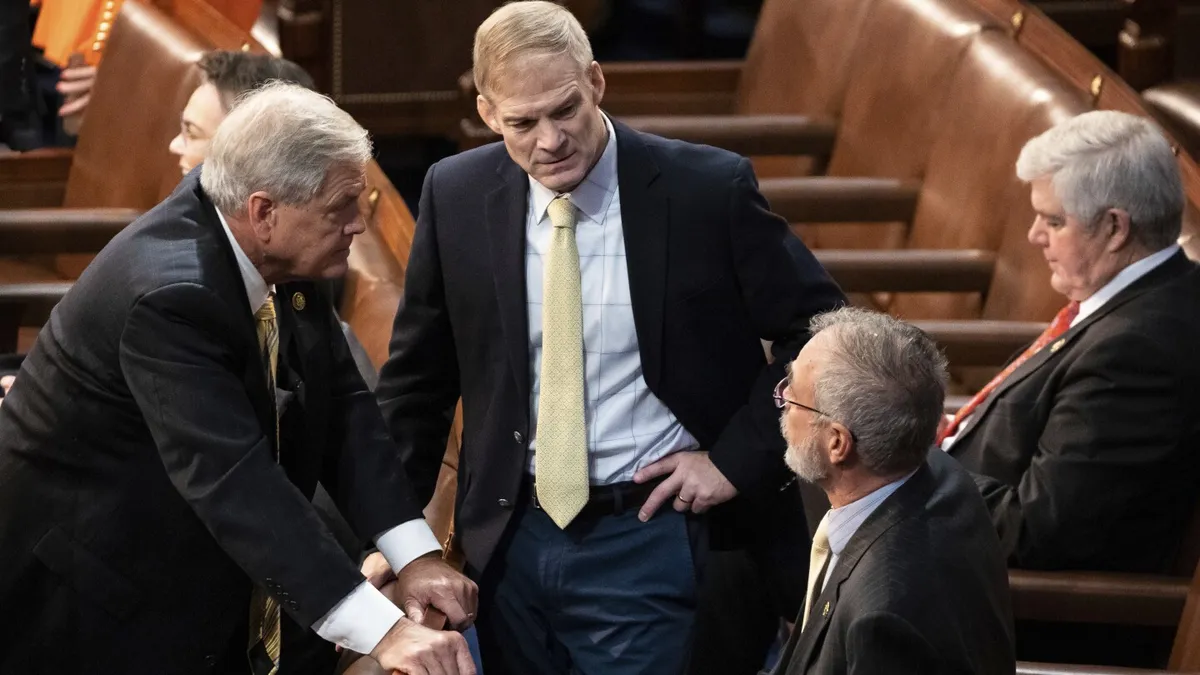
Jim Jordan, currently serving as the House Judiciary Chair, has been a prominent figure in the Republican Party, particularly known for his staunch conservative views. Over the past three years, he has undergone a significant rebranding effort aimed at broadening his appeal within the party. This shift comes as he prepares for a potential leadership bid, especially in light of the uncertain political landscape where Republicans may lose their majority in the House.
Jordan’s journey to this point has not been without challenges. He ran for the speaker’s position in 2023 but faced stiff competition from other party members, including Steve Scalise and Tom Emmer. His previous refusal to support candidates outside the Freedom Caucus has also raised questions about his leadership aspirations. However, Jordan has been actively campaigning for candidates who opposed him during his speaker bid, demonstrating a willingness to mend fences and build alliances.
In a notable shift, Jordan has raised over $1.3 million for the National Republican Congressional Committee, showcasing his commitment to supporting a diverse range of Republican candidates. He has stated, “I just help everyone, that’s always been my mindset,” indicating a more inclusive approach to his political strategy. This fundraising effort is crucial as it not only bolsters his standing within the party but also reflects his understanding of the need for unity among Republicans.
Despite these efforts, Jordan’s changing policy stances have caused some division among Freedom Caucus members, raising uncertainties about his support within the party. Observers note that while he is focused on helping Republicans maintain their majority, his exact plans for a leadership bid remain unconfirmed. As one anonymous source mentioned, “It wouldn’t be very smart to not think about the possibility of losing the majority,” highlighting the precarious nature of the current political climate.
Jordan’s past actions and statements suggest a complex relationship with his party’s dynamics. His previous comments, such as “It wasn’t my job to help you then,” reflect a more combative stance that may have alienated some potential allies. However, his recent efforts to support ideologically diverse members indicate a strategic pivot aimed at consolidating power within the party.
As the political landscape continues to evolve, the competition for leadership positions within the Republican Party is likely to intensify. Jordan’s leadership ambitions, while not publicly declared, are being closely watched by both supporters and detractors. The outcome of the upcoming elections will play a significant role in shaping the future of his political career and the direction of the party.
In summary, Jim Jordan’s potential leadership bid is a reflection of both his personal ambitions and the broader challenges facing the Republican Party. As he navigates this complex landscape, the implications of his actions will resonate throughout the party, influencing its future trajectory. Details remain unconfirmed regarding his specific plans, but the ongoing developments suggest that Jordan is positioning himself as a key player in the Republican Party’s future.