
What observers say
“I think the most…powerful message that our current first lady sent was in the coat that said ‘I Really Don’t Care, Do U?’ when she was going to see migrant children who were incarcerated,” remarked Meryl Streep during a recent Vogue interview. This statement underscores the significant impact of fashion choices made by public figures, particularly in politically charged contexts.
The jacket worn by Melania Trump in 2018 during her visit to a children’s shelter sparked widespread controversy. Critics argued that the message emblazoned on the coat was tone-deaf, especially given the circumstances surrounding the visit. Streep’s comments reflect a broader discourse on how clothing can convey messages that resonate far beyond mere aesthetics.
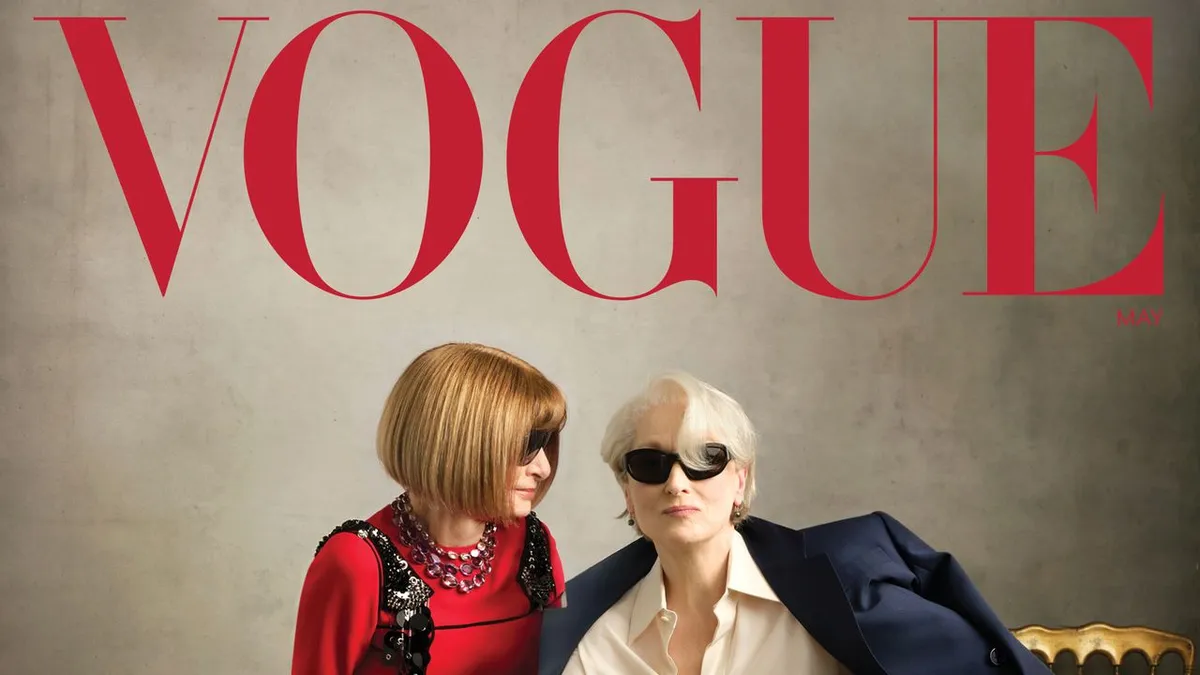
In the same interview, Anna Wintour, the former editor-in-chief of American Vogue, acknowledged Melania Trump’s unique style, stating, “To be fair, Melania Trump also always looks like herself when she dresses.” Wintour’s perspective adds another layer to the conversation, suggesting that personal identity plays a crucial role in how public figures choose to present themselves.
Streep further elaborated on the expectations placed on women in power, saying, “I’m stunned at how women in power have to have bare arms on television while men are covered in shirts and ties or a suit.” This observation highlights the double standards that persist in the realm of fashion and politics, where women often feel pressured to conform to specific standards of appearance.
The interview, moderated by filmmaker Greta Gerwig, also touched upon the upcoming release of “The Devil Wears Prada 2,” in which Streep reprises her iconic role as Miranda Priestly. As Streep, now 76 years old, reflects on her career and the evolving landscape of fashion, her insights remain relevant in discussions about women’s representation in powerful roles.
Streep’s comments resonate with many who observe the intersection of fashion and politics, especially as public figures navigate their identities through clothing choices. With six grandchildren under the age of six, Streep’s perspective is also informed by her desire for a world where women can express themselves freely without the constraints of societal expectations.
As the conversation around fashion and its implications continues, Wintour’s mention of other influential figures like Michelle Obama serves as a reminder that powerful women can convey strength and identity through their style without adhering to traditional norms. This ongoing dialogue reflects a shift in how society perceives women’s fashion choices, particularly in the political arena.
As we look forward to the release of “The Devil Wears Prada 2” on May 1, 2026, the discussions sparked by Streep’s comments may inspire further reflection on the role of fashion in shaping public perception and the narratives surrounding women in leadership.