
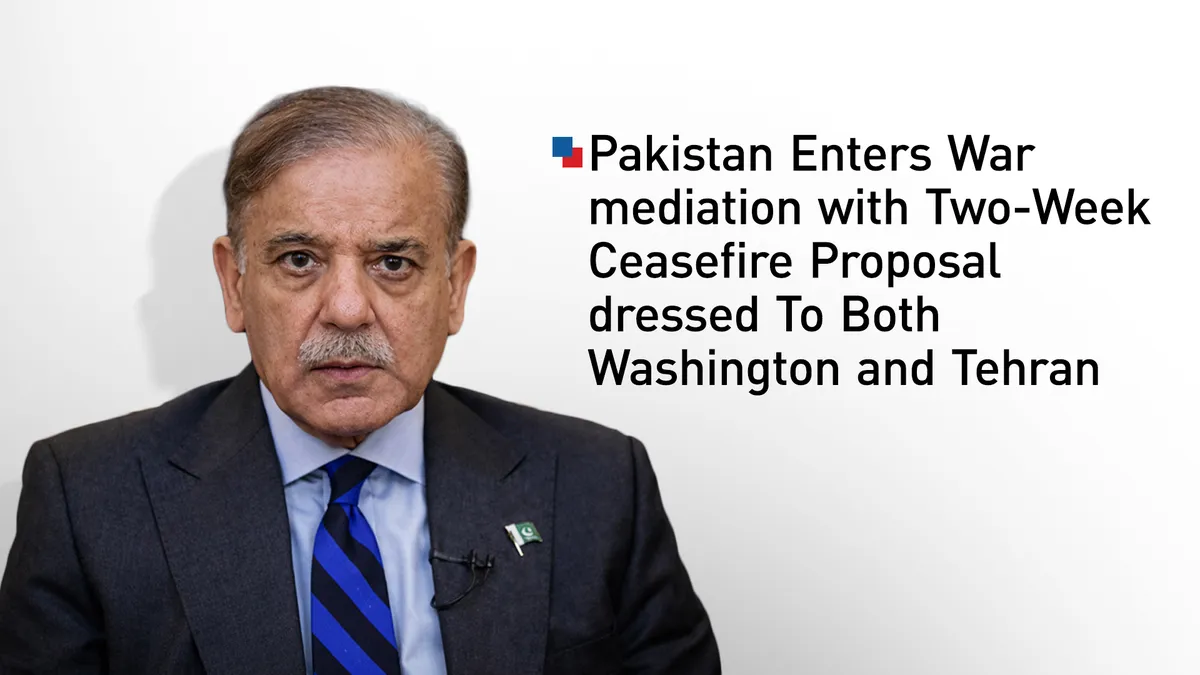
In recent weeks, Pakistan has emerged as a key mediator in the escalating conflict between the United States and Iran. Prior to this development, expectations were grim as tensions heightened following the US’s military operations against Iran, which began over five weeks ago. The situation was precarious, with both nations engaged in increasingly hostile rhetoric.
The decisive moment arrived when Pakistan initiated mediation efforts aimed at establishing a ceasefire. On April 7, 2026, US President Donald Trump confirmed that Vice President JD Vance was directly involved in these negotiations. This marked a significant shift in the dynamics of the conflict, as both the US and Iran began to consider the possibility of dialogue.
However, the path to peace has been fraught with challenges. Prime Minister Shehbaz Sharif of Pakistan called for a two-week extension of the US strike authorization against Iran, urging Iran to reopen the Strait of Hormuz as a gesture of goodwill. This request underscores the strategic importance of the Strait, through which 20 percent of the world’s oil and gas supplies pass during peacetime.
Despite these efforts, Iran’s response has been less than cooperative. The Iranian government received a ceasefire proposal from Pakistan but ultimately rejected it, labeling it as ‘illogical.’ This rejection highlights the complexities and deep-rooted issues that continue to plague US-Iran relations.
As the mediation efforts progress, Iran’s ambassador to Pakistan indicated that the situation is at a ‘critical, sensitive stage.’ Meanwhile, Trump issued a stark warning, stating, ‘A whole civilization will die tonight, never to be brought back again,’ as the deadline for Iran looms. This statement reflects the high stakes involved in the ongoing conflict.
Vance’s role in the negotiations has been deemed significant by both parties, with the US delegation prepared to travel to Islamabad for discussions with Iran. However, two planned visits were cancelled, further complicating the mediation process.
The mediation framework proposed by Pakistan includes confidence-building measures followed by a formal ceasefire. Yet, details remain unconfirmed, and the outcome of these efforts is uncertain, especially given Iran’s recent rejection of the ceasefire proposal.
Experts, including Omani Foreign Minister Badr Al Busaidi, have expressed cautious optimism, stating, ‘The big picture is that a deal is in our hands.’ This sentiment reflects the hope that despite the current setbacks, a resolution may still be achievable.
As the situation evolves, the international community watches closely, aware that the implications of this conflict extend far beyond the immediate region.