
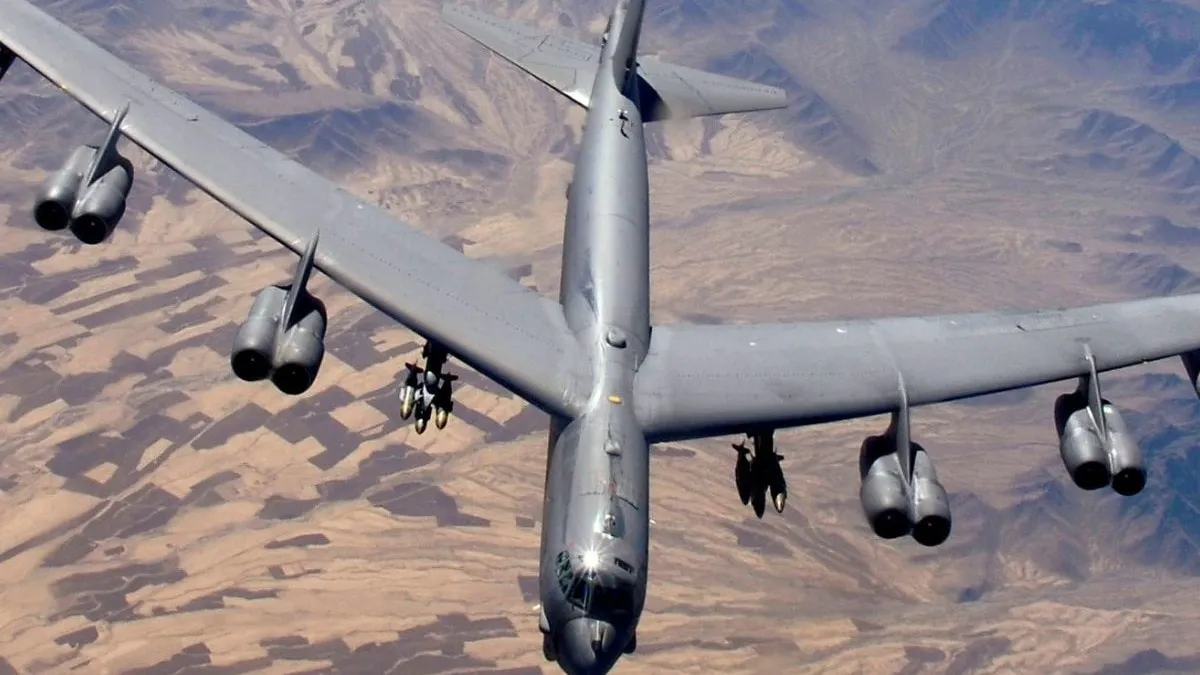
Before the recent deployment of B-52 Stratofortress bombers from RAF Fairford in the United Kingdom, expectations surrounding U.S.-Iran relations were tense but somewhat stable. Diplomatic channels were still open, with messages being exchanged through mediators. However, the atmosphere was charged with uncertainty as President Donald Trump issued an ultimatum to Iran, setting an 8 PM EDT deadline for compliance.
The decisive moment came when multiple B-52 aircraft took off from the UK, with the first bomber departing approximately three hours before the report. This marked a significant escalation in military readiness, indicating that the U.S. was prepared to act on its threats. Trump had warned that failure to comply with his ultimatum could lead to catastrophic consequences, stating, “A whole civilization will die tonight, never to be brought back again.” This stark warning underscored the gravity of the situation.
In the immediate aftermath of the bombers’ deployment, Iran responded with threats of retaliation against U.S. allies in the Gulf. Reports indicated that as the deadline approached, there were intensified strikes on Iranian infrastructure, further escalating tensions. The presence of strategic bombers at RAF Fairford and RAF Lakenheath highlighted a heightened military alert status, with authorities confirming increased activity at these bases.
Experts noted that the deployment of B-52 bombers is a clear signal of U.S. military readiness and a warning to Iran. The situation remains precarious, as Iran has signaled its intention to escalate further if the blockade continues. Diplomatic warnings have intensified, reflecting fears of a wider regional conflict.
As the deadline approached, messages were still being exchanged, indicating that both sides were aware of the potential for escalation. However, the exact operational details of the B-52 bombers’ mission remain unconfirmed. This uncertainty adds to the already volatile situation.
In summary, the deployment of B-52 bombers from the UK represents a significant shift in U.S.-Iran relations, moving from a phase of diplomatic engagement to one of military readiness. The implications of this development could have lasting effects on regional stability and international relations.