
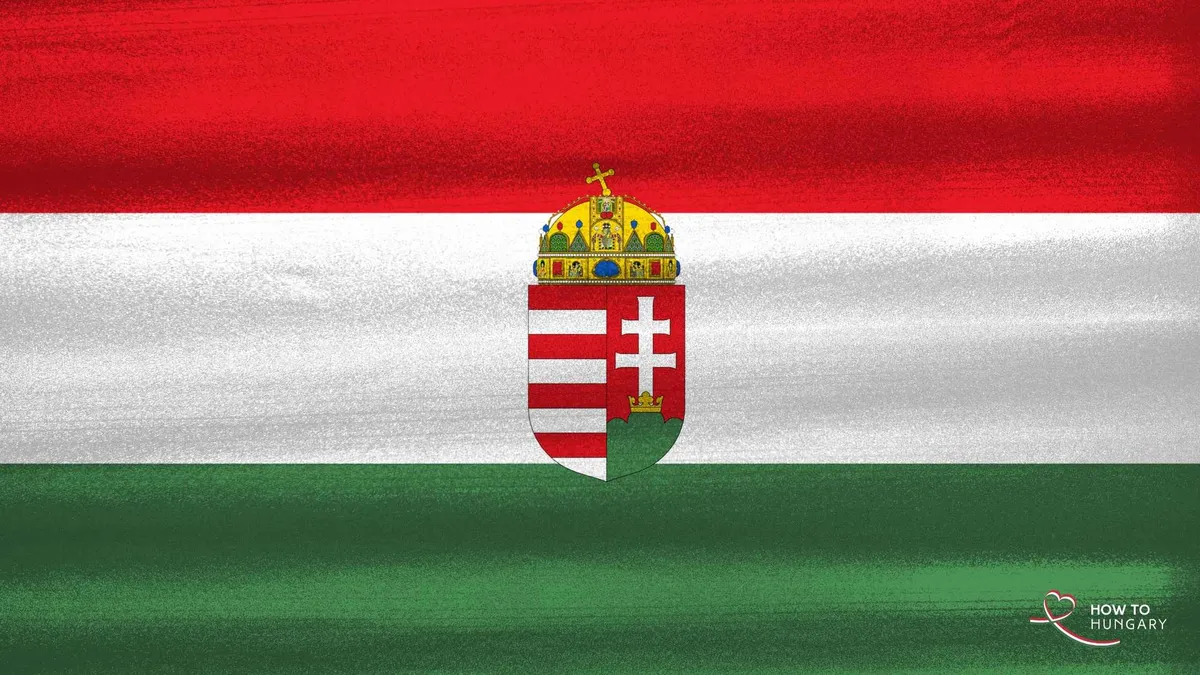
“He entered a club, read the rules, figured out how he can rig the rules, and then started to be a free rider and blackmail all of the other club members,” said Dániel Hegedűs, reflecting on the controversial tenure of Prime Minister Viktor Orbán. As Hungary prepares for its elections on April 12, 2026, the political landscape is charged with tension and uncertainty.
Orbán, who has been in power for 16 years, is the longest-serving leader in the European Union. His administration has faced significant criticism for its approach to democratic institutions and media control, with approximately 80% of Hungary’s media being under the influence of his Fidesz Party.
Péter Magyar, Orbán’s main rival in the upcoming elections, has positioned himself as a proponent of EU and NATO membership, stating, “The Hungarians still see that Hungary’s peace and development are guaranteed by the membership of the European Union and NATO.” This statement underscores the contrasting visions for Hungary’s future.
Under Orbán’s leadership, Hungary has taken a controversial stance regarding Ukraine, using his veto power to block EU support for the country and opposing its EU accession. This has raised eyebrows within the EU, especially as the bloc has begun freezing billions in funding to Hungary since 2022 due to rule-of-law breaches.
Orbán’s election strategy has included anti-Ukrainian rhetoric, which many analysts view as a means to consolidate his power domestically while appealing to nationalist sentiments. The upcoming election is seen as a referendum on Hungary’s geopolitical alignment, particularly in relation to Russia and the EU.
Antonio Costa, a prominent EU figure, remarked, “Nobody can blackmail the European Union institutions,” emphasizing the EU’s commitment to upholding democratic values. However, the potential for irregularities in the election process, such as vote buying and voter fraud, has been mentioned but not confirmed.
As the election date approaches, the implications for Hungary’s relationship with both the EU and Russia remain unclear. Orbán’s close ties with Russia have drawn criticism, and the election results could significantly influence Hungary’s foreign policy direction.
With 27 EU member states watching closely, the stakes are high for Hungary. The outcome of the elections will not only determine the future of Orbán’s rule but also the broader geopolitical landscape in Europe.
Details remain unconfirmed regarding the full impact of the election results, but the world will be watching as Hungary heads to the polls in 2026.