
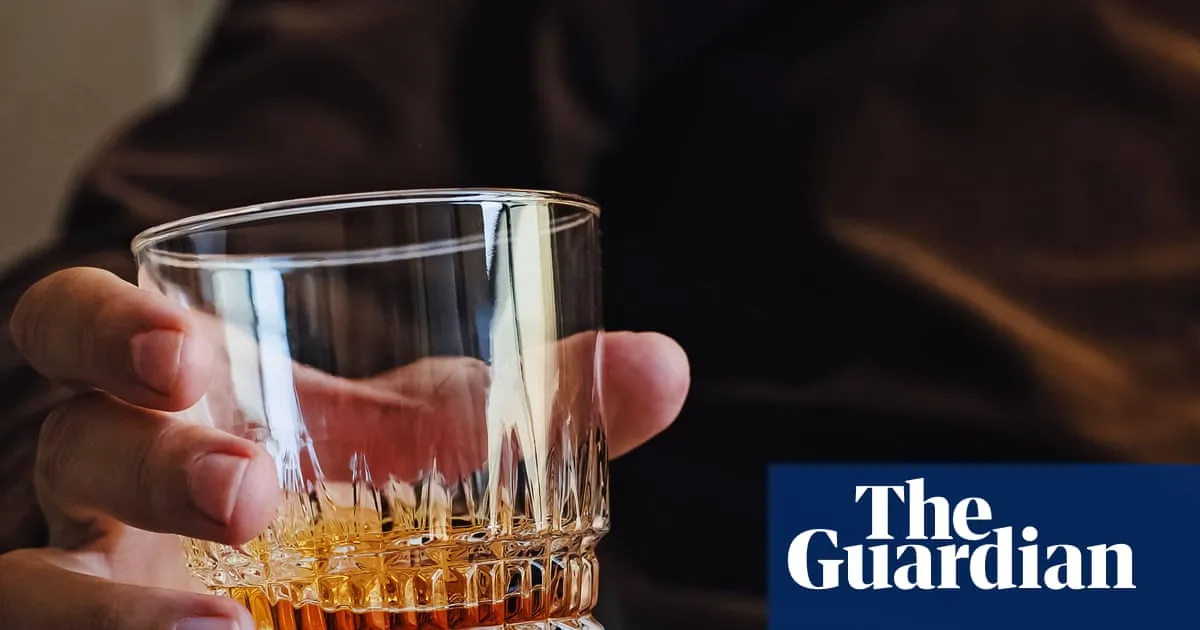
What does the recent ruling by a US appeals court mean for home distilling? The court declared a nearly 158-year-old federal ban on home distilling unconstitutional, allowing individuals to legally distill spirits for personal use.
This landmark decision was made by the Fifth US Circuit Court of Appeals in New Orleans, which ruled in favor of the Hobby Distillers Association and four of its members, including Rick Morris, who sought to distill bourbon whiskey at home. The ban, originally enacted in July 1868 during the Reconstruction era, imposed severe penalties on violators, including up to five years in prison and a $10,000 fine.
Edith Hollan Jones, a judge on the panel, emphasized that the government’s rationale for the ban could lead to excessive federal authority over personal activities. She stated, “Without any limiting principle, the government’s theory would violate this court’s obligation to read the constitution carefully to avoid creating a general federal authority akin to the police power.” This perspective highlights the court’s commitment to individual liberties.
The Hobby Distillers Association, which boasts around 1,300 members, argued for the right to distill spirits for personal consumption, claiming that the ban not only infringed on personal freedoms but also reduced tax revenue by preventing legal distilling activities.
The ruling also upheld a previous decision made in July 2024 by US District Judge Mark Pittman, reinforcing the legal basis for home distilling under federal regulations. This decision marks a significant turning point for hobby distillers across the nation.
As the ruling allows individuals to obtain permits to set up distilleries, it opens the door for a new era of home distilling, potentially changing the landscape of personal alcohol production in the United States.
While the ruling is seen as a victory for individual liberty, it raises questions about the future of alcohol regulation and tax revenue. The court noted that the provisions of the ban ultimately operated to reduce revenue instead of raising it.
Looking ahead, the implications of this ruling will unfold as individuals begin to navigate the new legal landscape of home distilling. As Andrew Grossman, a supporter of the ruling, remarked, “I look forward to sampling their output.” The excitement surrounding this decision indicates a shift in public perception and acceptance of home distilling.
Details remain unconfirmed regarding how federal agencies will implement this ruling and what specific regulations will be established for home distillers.