
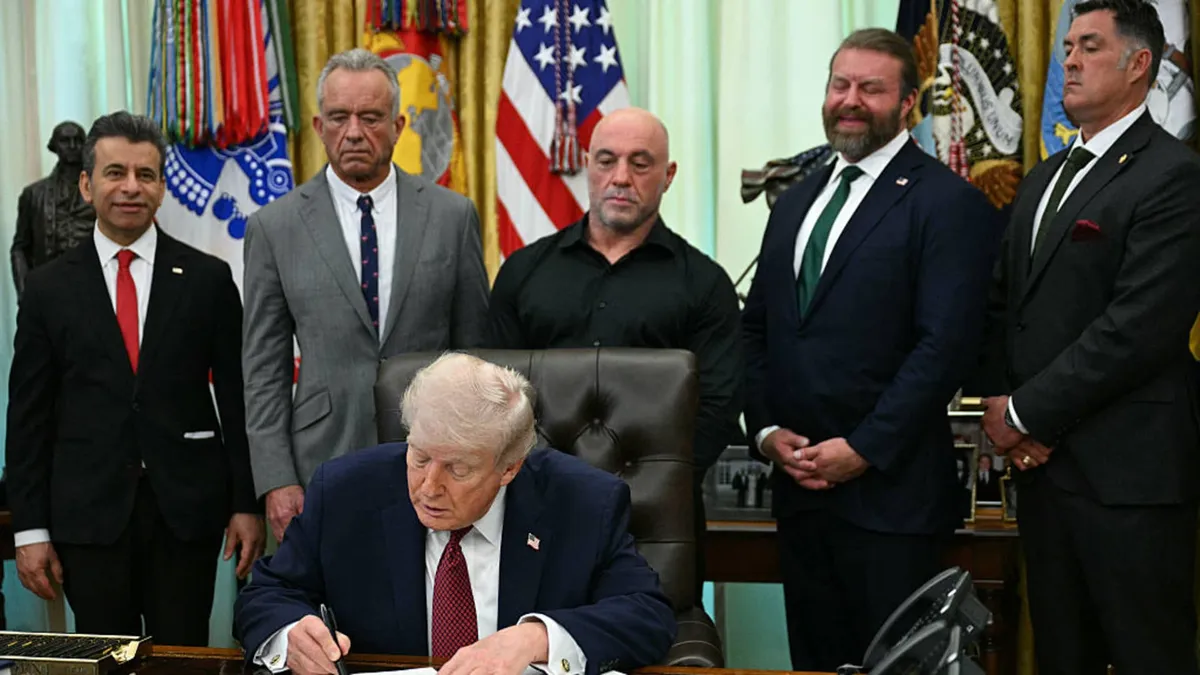
On April 18, 2026, a significant shift occurred in the landscape of psychedelic drug research when President Donald Trump signed an executive order in the Oval Office. This order aimed to expedite the review process for certain psychedelics, including ibogaine—a substance that has long been associated with both hope and controversy.
Ibogaine is derived from a shrub native to West Africa and has been used in traditional ceremonies by the Bwiti religion. In recent years, it has garnered attention for its potential to treat conditions like PTSD and opioid addiction. Yet, despite its promise, ibogaine remains classified as a Schedule I drug under federal law, which means it is considered illegal and high-risk. This classification has historically stymied research efforts.
Before this executive order, the National Institutes of Health had briefly funded research on ibogaine in the 1990s but discontinued it due to concerns over cardiovascular toxicity—specifically, its potential to cause irregular heart rhythms. In fact, medical literature links ibogaine to over 30 deaths. So why would lawmakers and veteran organizations advocate for its use? Because many believe that the benefits may outweigh these risks.
Veterans have been vocal supporters of ibogaine therapy. Organizations representing them highlight its potential efficacy in alleviating symptoms related to traumatic brain injuries and PTSD. A recent study found that veterans treated with ibogaine showed improvements in their symptoms—offering a glimmer of hope in an area where conventional treatments often fall short.
The state of Texas recently allocated $50 million for ibogaine research, signaling growing interest at both state and federal levels. Clinics that administer ibogaine treatments typically take precautions by monitoring patients’ heart readings and maintaining emergency medical equipment on hand. This care is crucial given the risks associated with the drug.
Trump’s executive order not only aims to speed up reviews but also introduces national priority vouchers from the FDA for three psychedelics. This could potentially allow quicker approvals if aligned with national health priorities—a significant development considering ibogaine has not yet received FDA approval despite being used in some countries for opioid withdrawal symptoms.
But what does this mean for those seeking treatment? The immediate impact of the order on ibogaine clinics is still uncertain, as details remain unconfirmed regarding implementation timelines and insurance coverage policies. As Marcus Luttrell aptly stated, “You’re going to save a lot of lives through it.” What remains clear is that there’s a growing recognition of ibogaine’s potential therapeutic benefits.
The future of ibogaine is now under closer scrutiny than ever before. With high-profile supporters like Joe Rogan advocating for its use—stating that “ibogaine has helped a lot of people” by providing an introspective review of life—it appears that public perception might be shifting toward acceptance. As we move forward, how this will all unfold remains to be seen, but one thing is certain: the conversation around psychedelics like ibogaine is far from over.