
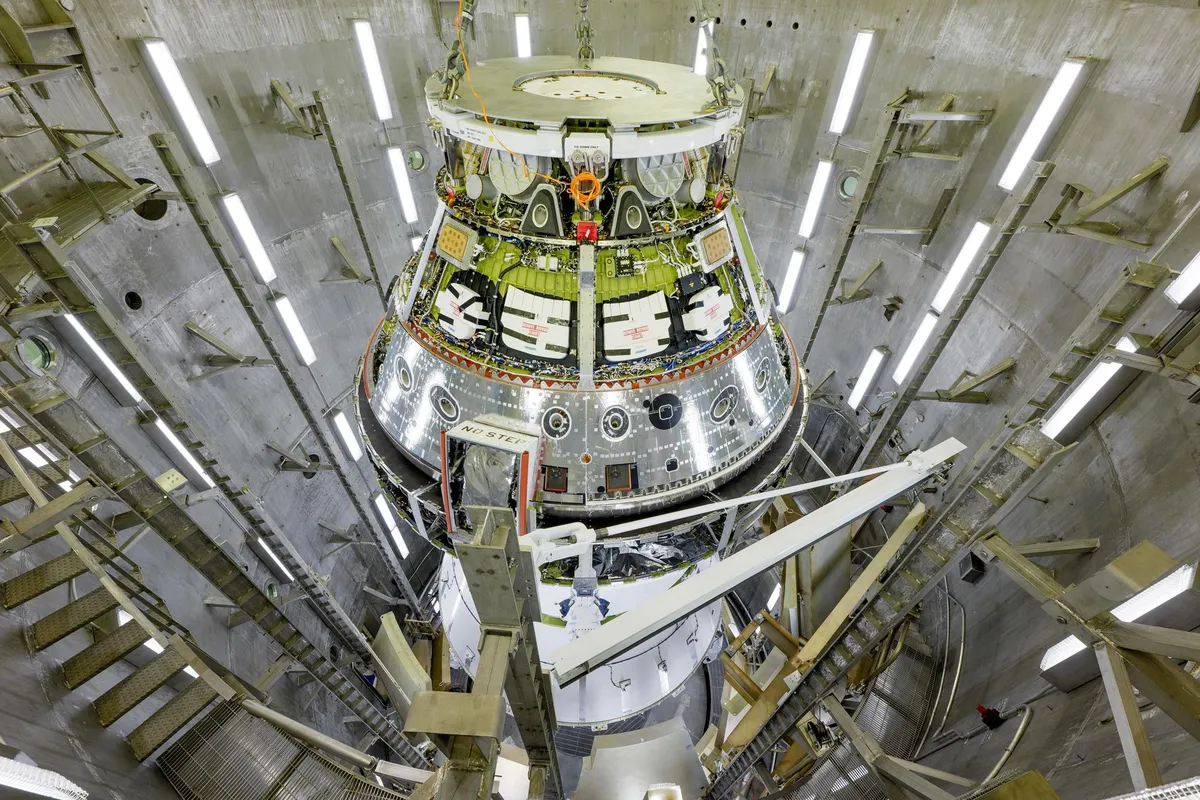
The Artemis II mission marked a pivotal moment in NASA’s journey back to the Moon. Prior expectations were cautious, especially after the unexpected damage observed on the heat shield during Artemis I. This time, however, the stakes were higher.
When the Orion spacecraft re-entered Earth’s atmosphere on April 10, 2026, it encountered temperatures soaring to thousands of degrees Celsius. Yet, initial inspections revealed that the heat shield kept the crew safe and performed as expected—no unusual conditions were identified.
In fact, NASA reported a significant reduction in char loss behavior compared to Artemis I. The char loss observed previously was considerably diminished in both quantity and size. This improvement is crucial; it suggests that adjustments made to the design and materials were effective.
But what were those adjustments? NASA modified the re-entry trajectory for Artemis II to minimize heat build-up on the shield. This strategic change paid off—allowing for a smoother descent and safer landing.
The Orion spacecraft splashed down just 2.9 miles from its targeted landing site in the Pacific Ocean, a testament to NASA’s precision. Shortly after splashdown, Navy divers photographed the heat shield, providing valuable data for further analysis.
The heat shield is covered with AVCOAT tiles designed specifically to absorb impact heat. These tiles played a vital role during re-entry, protecting both the spacecraft and its crew. Charles Camarda and Christina Koch, key figures in this mission, emphasized how this technology is essential for future lunar landings.
Looking ahead, NASA plans to transport the heat shield to the Marshall Space Flight Center for thorough examination. This will help refine technologies for upcoming missions—Artemis III is slated for 2027, while Artemis IV aims for a lunar landing in 2028.
Still, challenges remain. While this mission showcased significant advancements, issues with the life support system—specifically the space toilet—were reported during flight. Such problems highlight that even successful missions can encounter unforeseen difficulties.
This context matters because it illustrates both progress and challenges in space exploration. The improvements seen in Artemis II’s heat shield performance are promising but serve as a reminder of the complexities involved in human spaceflight.
As experts continue to analyze data from this mission, they will undoubtedly gain insights that could shape future endeavors in our quest to return humans to the Moon—and eventually beyond.