
At the recent White House Correspondents’ Dinner, a gunman breached the security perimeter, creating chaos and fear. This incident unfolded just moments before President Trump was set to address the audience. The gunman, a 31-year-old teacher from Torrance, California, had emailed a manifesto to his family minutes prior to the attack.
The manifesto revealed that he was targeting members of the Trump administration. Fortunately, no injuries were reported as security personnel apprehended him within seconds. President Trump was evacuated but expressed a desire to continue the event shortly after.
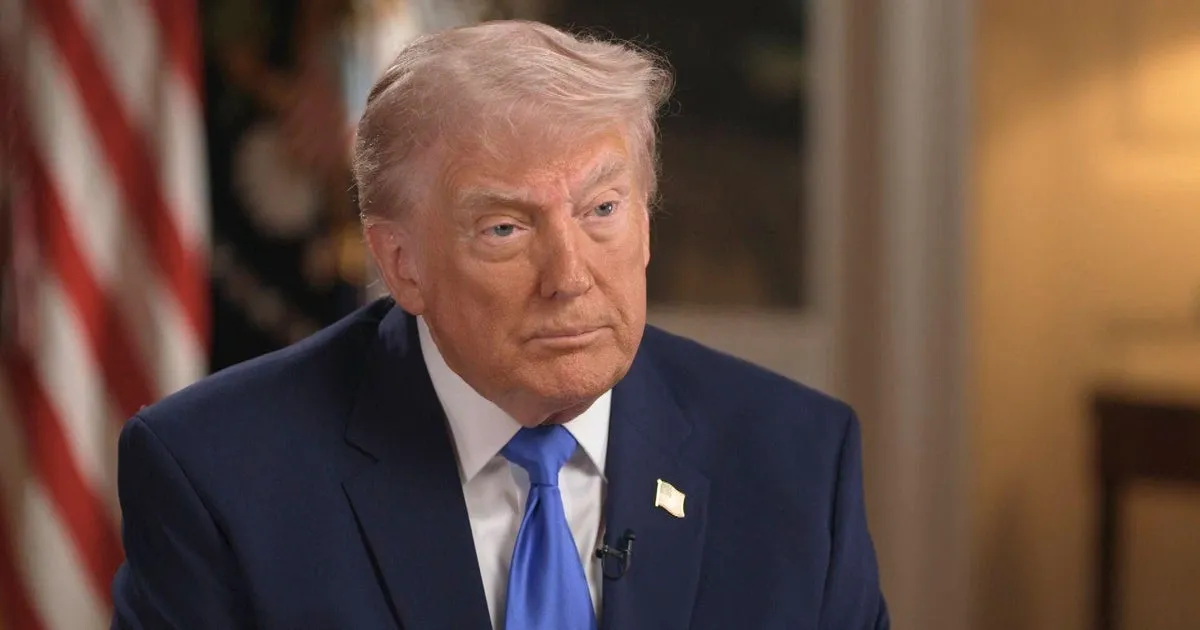
However, the situation took another turn during an interview with Norah O’Donnell. She read excerpts from the gunman’s manifesto, prompting an explosive reaction from Trump. He labeled her actions as disgraceful, stating, “You shouldn’t be reading that on 60 Minutes. You’re a disgrace.” This moment highlighted the tension between media coverage and public safety.
So why did this matter? The intersection of press freedom and security measures became glaringly evident. O’Donnell’s decision to read the manifesto raised ethical questions about how journalists should handle sensitive information—especially when it relates to violent acts.
Trump’s response underscored his administration’s ongoing struggle with media narratives. He has consistently criticized outlets that challenge him, and this incident was no different. His comments reflected a broader sentiment regarding how press freedom can sometimes clash with national security interests.
The aftermath of this event has led to discussions about potential changes in security protocols at high-profile gatherings like the White House Correspondents’ Dinner. Could there be stricter measures moving forward? Officials have not confirmed any specific changes yet.
As for President Trump, he hopes to reschedule the White House Correspondents’ Dinner within 30 days. His focus seems clear: he wants to ensure that such events can proceed without fear of violence or disruption.
This incident serves as a reminder of the complex relationship between journalism and governance in today’s world—where every word spoken can have significant implications. As we navigate these challenges, one question remains: how will this shape future interactions between media figures like Norah O’Donnell and political leaders?