
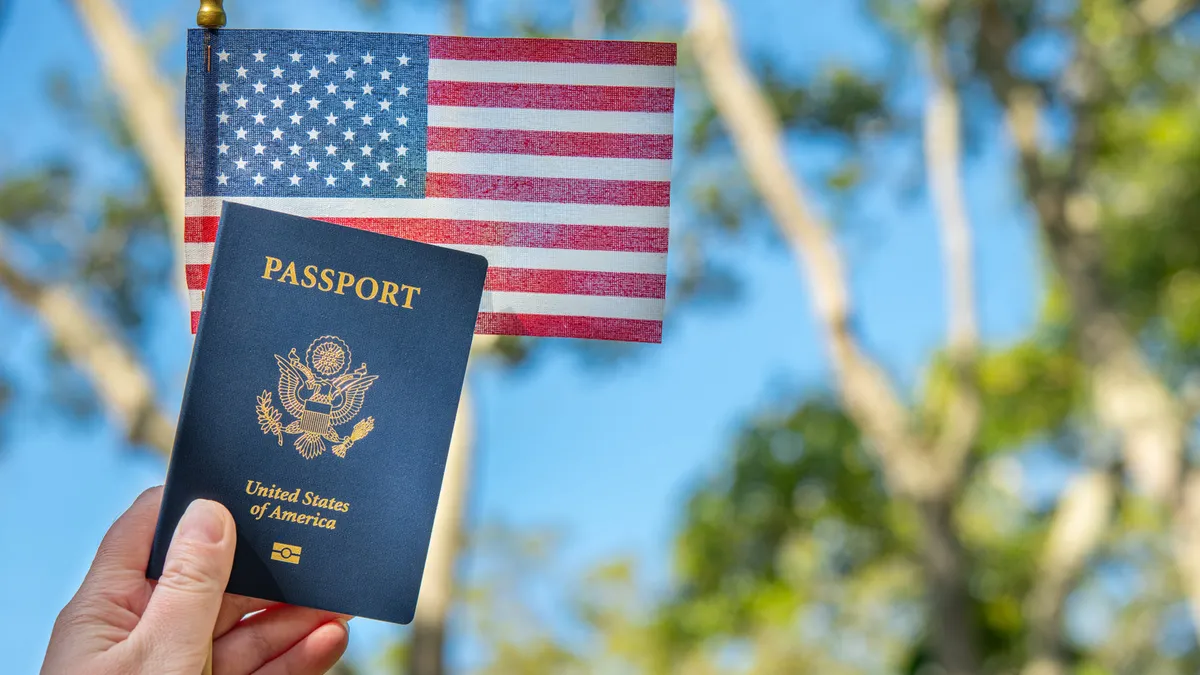
The Trump administration’s citizenship crackdown could strip hundreds of Americans of their citizenship and passports, creating a state of permanent vulnerability for many naturalized citizens. Before this shift, denaturalization cases were extremely rare. The expectation was that once you became a U.S. citizen, you were secure in that status.
But then came the decisive moment: the administration’s focus on denaturalization rather than deportation. The Justice Department identified 384 foreign-born Americans at risk, and during Trump’s first term, over a hundred denaturalization cases were filed—an unprecedented surge.
This change has direct effects on those involved. Naturalized citizens from certain countries now live in fear of retroactive reviews due to new policies. Imagine living your life as an American only to find that your citizenship is under scrutiny because of past actions or perceived fraud. This creates an environment where many feel they must constantly prove their loyalty.
Experts weigh in on this troubling trend. Lee Gelernt, an attorney with the ACLU, argues that “these policies are not only cruel — they are unconstitutional.” He highlights how such actions undermine the very foundation of what it means to be an American citizen.
Moreover, Executive Order 14128 directs federal agencies to prioritize these denaturalization cases involving fraud or criminal activity. This means that even minor infractions could potentially lead to losing one’s citizenship—a daunting prospect for anyone who worked hard through the naturalization process.
Senator Bernie Moreno encapsulates the sentiment surrounding this issue: “Being an American citizen is an honor and a privilege—and if you want to be an American, it’s all or nothing.” This mindset raises questions about fairness and the potential for discrimination against certain groups.
The proposed Exclusive Citizenship Act aims to ban dual citizenship for Americans, further complicating matters for those who may have ties to other countries. This is not just about legal status; it’s about identity and belonging.
This crackdown could affect millions of naturalized citizens, shifting the landscape of U.S. immigration enforcement dramatically. As we consider these changes, one must ask: What does it truly mean to be American in today’s climate?