
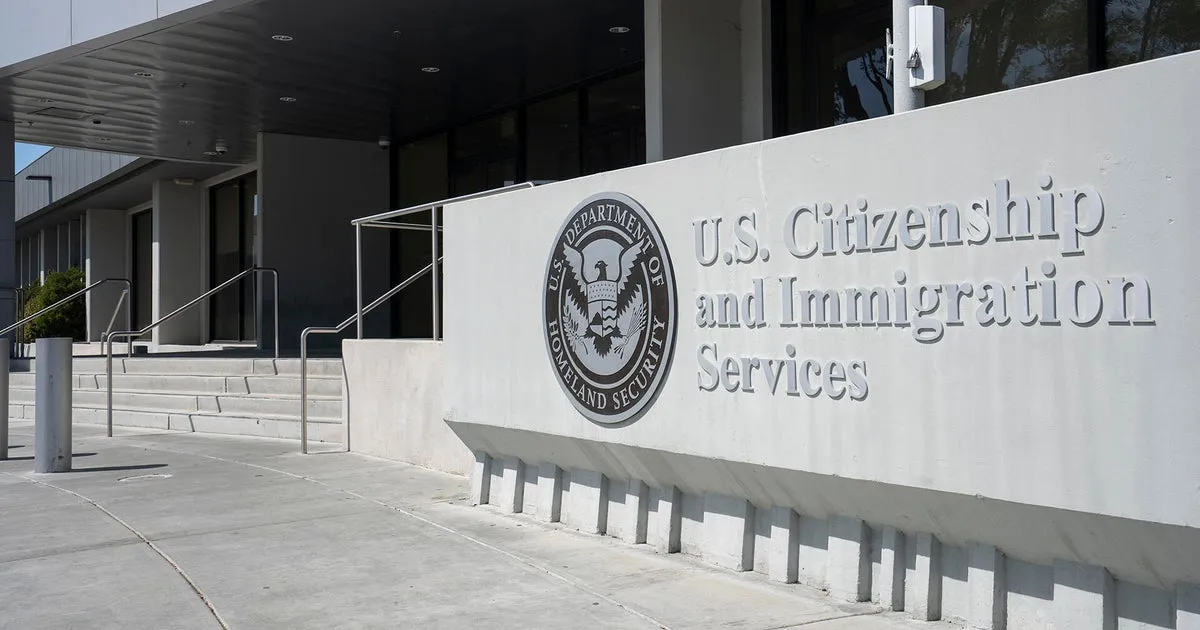
The Trump administration’s recent immigration policy introduces enhanced security checks that pause pending applications, requiring resubmission for FBI background checks. This shift marks a significant change in how the United States processes immigration requests, aiming to tighten national security.
Before these changes took effect, the USCIS (U.S. Citizenship and Immigration Services) processed applications without the stringent requirements now imposed. On April 27, 2026, the administration mandated that applicants undergo enhanced security screenings.
This mandate arose after the FBI granted USCIS broader access to its criminal history database. As a result, USCIS officers received instructions to pause all pending green card and naturalization applications that had not yet completed these new security checks.
Such measures are part of a broader immigration crackdown initiated by the Trump administration since early 2025. The executive order emphasized the importance of maintaining national safety by ensuring that individuals with criminal histories do not enter or remain in the country illegally.
In line with this directive, President Trump stated, “DHS immigration authorities must access criminal history record information (CHRI) in the custody of federal criminal justice agencies to the maximum extent permitted by law.” This statement underscores the administration’s commitment to thorough vetting processes.
Currently, USCIS continues processing applications while implementing these new requirements. Officials have assured applicants that any delays in decision issuance should be brief and resolved shortly.
The implications of these changes are substantial. For many immigrants seeking green cards or pursuing the naturalization process, this means potential delays and additional hurdles. The requirement for resubmission could lead to longer waiting periods for those affected.
Additionally, these enhanced security measures align with previous actions taken by the administration, including a travel ban affecting 39 countries. This comprehensive approach reflects an ongoing effort to scrutinize immigration more closely than ever before.
As this situation unfolds, those involved must navigate a more complex landscape of immigration regulations. The impact on individuals seeking residency or citizenship remains to be fully realized in light of these new policies.