
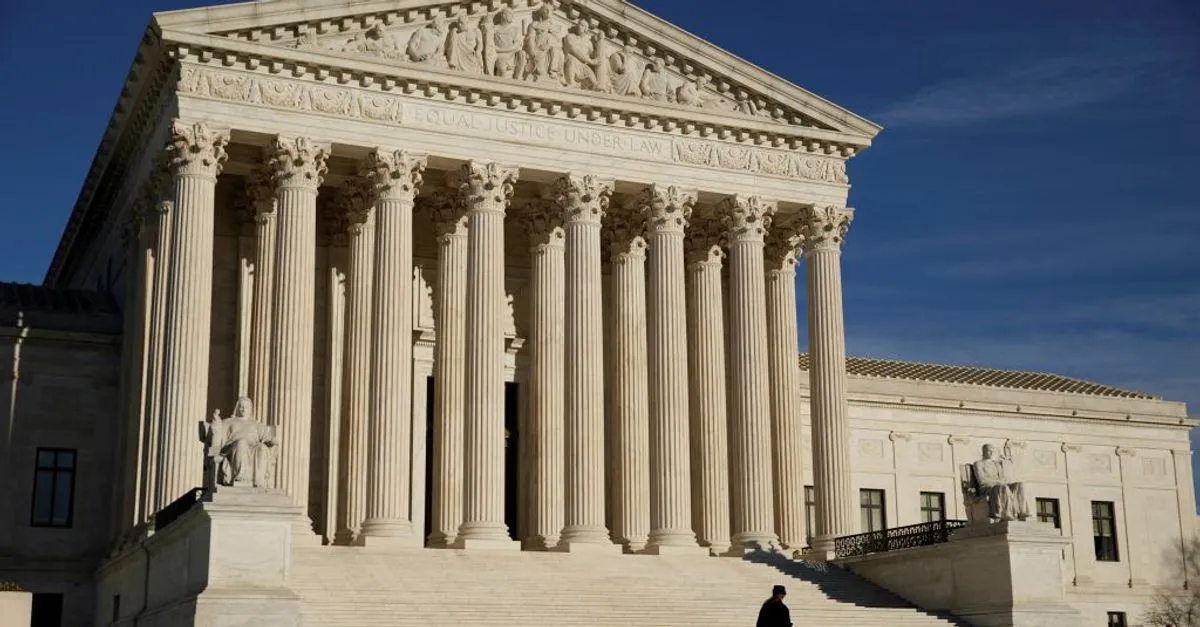
The Supreme Court recently issued a ruling that significantly weakens the Voting Rights Act, particularly impacting congressional representation in Louisiana. This decision could reshape political landscapes across the country, favoring Republican interests.
On April 29, 2026, the court ruled by a vote of 6-3 to strike down a Louisiana congressional map that was challenged for being racially discriminatory. The map had aimed to create a second majority-Black district, which some argued was necessary for fair representation.
This ruling came after years of contentious debates surrounding redistricting and racial gerrymandering. Critics highlighted that the decision undermines Section 2 of the Voting Rights Act, which was designed to protect against racial discrimination in voting.
Justice Elena Kagan expressed her concerns in a dissenting opinion, stating that the majority opinion rendered this key provision ‘all but a dead letter.’ She emphasized that such changes threaten decades of progress toward minority representation.
Chief Justice John Roberts described the congressional district as a ‘snake’ stretching more than 200 miles, indicating how convoluted the gerrymandered map was. Justice Samuel Alito echoed this sentiment, labeling it an unconstitutional gerrymander.
This ruling is particularly significant as it may affect redistricting efforts not just in Louisiana but across various states. The implications are profound—if states can draw maps without stringent oversight from the Voting Rights Act, minority voters could see their influence diminished.
The gutting of Section 2 puts that achievement in peril. For over 60 years, this landmark Civil Rights-era law has served as a bulwark against discriminatory election practices.
The court’s decision raises questions about future elections and whether they will reflect the true demographic makeup of communities. Will politicians prioritize fair representation or exploit loopholes for partisan gain?
This latest Supreme Court decision marks a pivotal moment in American electoral politics. As states begin to redraw their maps, many observers will be watching closely to see how these changes unfold.
The ramifications of this ruling will likely resonate throughout upcoming election cycles. For now, Louisiana has been instructed to draw a new map by 2024.
As we move forward, it’s clear that this decision could reshape not only Louisiana’s political landscape but also set a precedent for how other states approach redistricting and voter representation.