
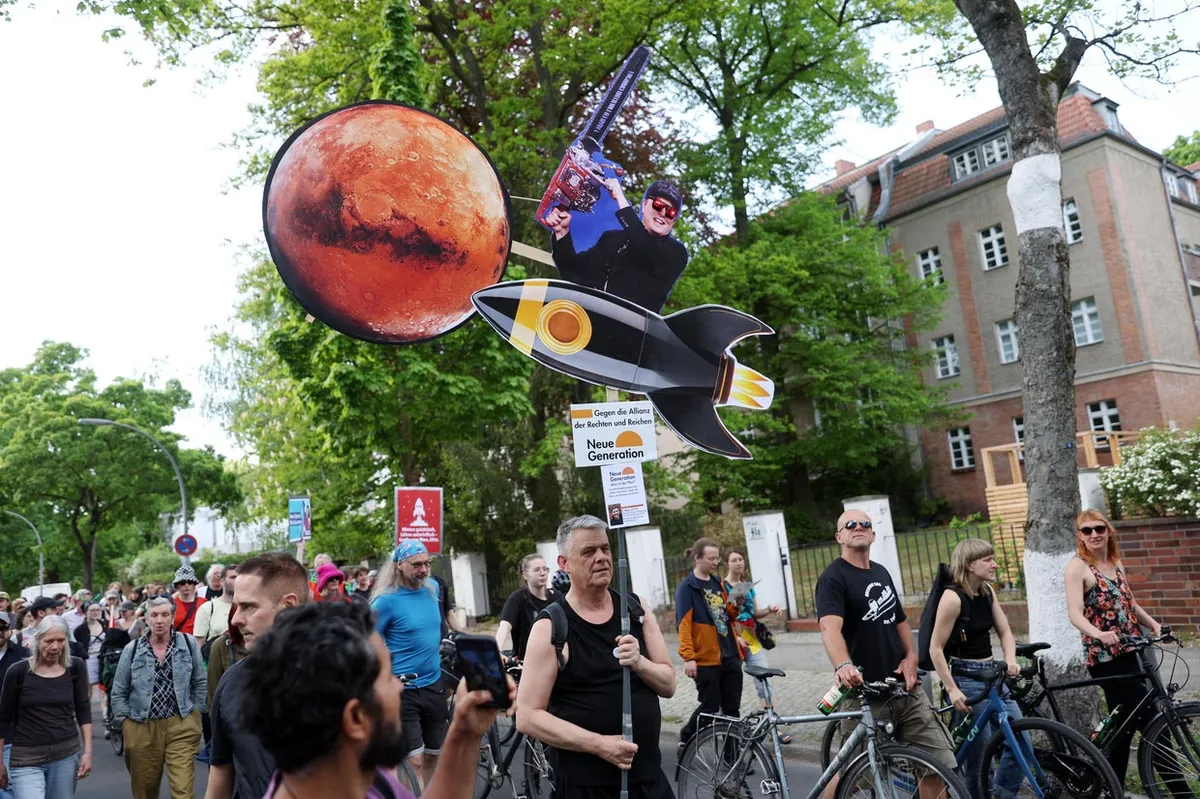
On May 1, 2026, thousands are expected to join an economic blackout across the United States for International Workers’ Day, demanding ‘no school, no work, no shopping’. This event aims to highlight ongoing struggles related to workers’ rights and rising living costs exacerbated by current immigration policies.
May Day, or International Workers’ Day, traces back more than a century to a pivotal period in U.S. labor history. Originally celebrated as a day for workers to rally for better working conditions, it has evolved into a platform for various social justice issues. In recent years, particularly since 2006, the focus of May Day protests in the U.S. has increasingly shifted towards immigration rights.
This year’s protests will see approximately 3,500 events nationwide, with 35 protests scheduled in Michigan alone. Activists from diverse backgrounds are uniting under the banner of the May Day Strong coalition, which includes labor unions and immigrant rights groups. The coalition emphasizes solidarity among workers and advocates for policies that prioritize people over profits.
Participants are expressing their discontent with rising living costs—an issue many attribute to the ongoing Iran war. As Leah Greenberg of Indivisible stated, “We are asking people to take a step into further exerting their power in all aspects of their lives – as workers, as students, as members of local organizing hubs.” This sentiment resonates deeply among those feeling the economic pinch.
The Chicago Teachers Union has even arranged for teachers to take the day off to participate in these demonstrations. Stacy Davis Gates, president of the union, remarked on the importance of accountability to families they serve. This collective action underscores how intertwined education and labor issues have become in contemporary discourse.
As protests unfold across cities—some reminiscent of past demonstrations where police clashed with activists—the message remains clear: working people refuse to pay the price for Donald Trump’s war in the Middle East. The European Trade Union Confederation echoed this sentiment with their statement about standing against unjust burdens placed on laborers.
This year’s May Day protests not only commemorate a historical battle for workers’ rights but also serve as a rallying cry for urgent reforms needed today. With nurses at University Medical Center New Orleans announcing a five-day strike for fair contracts amid these events, it’s evident that labor unrest is far from over.
The next few days will reveal how these actions impact public perception and policy discussions surrounding labor rights and immigration reform in America.