
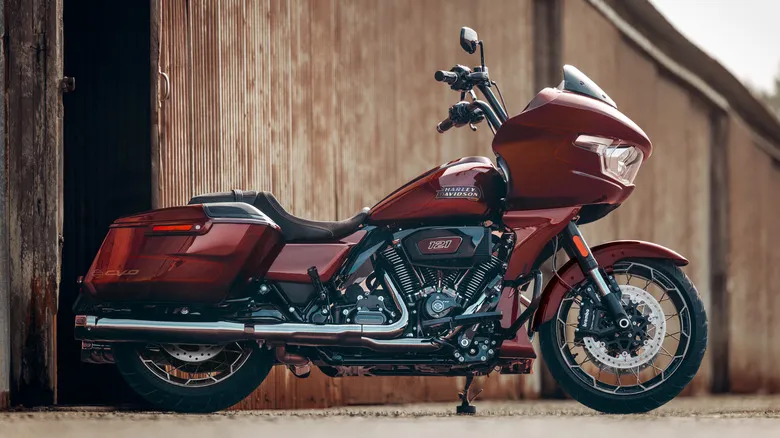
Harley-Davidson’s recall of nearly 90,000 motorcycles underscores a significant safety concern regarding oil ejection risks. The company announced this action affecting various models from 2024 to 2026, including the FLTRX and FLHX series.
The recall specifically covers 88,039 motorcycles, including certain 2024–2026 FLTRX and FLHX models as well as the 2025–2026 FXBR and FLFB models. The issue arises from a breather port that may become blocked, which can lead to pressure build-up inside the crankcase. If a rider removes the dipstick under these conditions, it could result in oil being ejected from the fill spout—posing a serious injury risk.
That context matters because it highlights ongoing concerns about motorcycle safety, especially with such a large number of vehicles affected. Harley-Davidson has faced scrutiny in the past for similar issues; just last month, they recalled nearly 17,000 motorcycles over a potential brake failure issue. This pattern raises questions about quality control within the motorcycle industry.
Dealers will inspect the breather ports and repair any blockages free of charge. Notification letters are expected to be mailed to owners by May 11, urging them to verify their Vehicle Identification Number (VIN) through official Harley-Davidson channels. This proactive approach helps maintain customer trust and ensures long-term brand reliability.
In light of this recent recall, Harley-Davidson has emphasized that addressing these problems early is crucial for rider safety and maintaining long-term reliability. Owners are advised to check their VINs to confirm whether their motorcycles are part of this recall.
The company’s commitment to customer service is evident as dealerships typically perform recall repairs at no cost to the owner. However, it remains unclear how many customers will be affected or how swiftly they will respond to the notification.
As motorcycle enthusiasts await further instructions, it’s clear that Harley-Davidson must continue its focus on quality checks and customer communication. The implications of this recall extend beyond immediate repairs; they reflect broader issues within motorcycle safety standards.
Ultimately, ensuring that riders feel safe on their bikes is paramount. The next steps involve monitoring how effectively Harley-Davidson executes this recall process and addresses any lingering concerns regarding their models.